Delays are inevitable in modern life, whether you’re stuck in traffic, waiting for a late colleague, or dealing with unexpected project setbacks. The key difference between frustration and productivity lies in how you respond to these disruptions.

Learning to navigate delays effectively isn’t just about patience—it’s about developing a strategic mindset that transforms wasted time into opportunities. By mastering the art of handling interruptions, you’ll not only reduce stress but also reclaim hours of valuable time each week. The strategies outlined in this guide will equip you with practical tools to stay calm, maintain productivity, and turn delays from obstacles into advantages.
🧠 Understanding the Psychology Behind Delay-Related Stress
Before diving into solutions, it’s essential to understand why delays trigger such powerful emotional responses. Our brains are wired to crave predictability and control, and when circumstances disrupt our carefully planned schedules, we experience a stress response similar to facing a genuine threat.
This reaction stems from the amygdala, our brain’s emotional control center, which interprets unexpected delays as potential dangers. When your morning meeting gets pushed back by an hour, your body releases cortisol—the same hormone triggered by more serious threats. Recognizing this physiological response is the first step toward managing it effectively.
Research shows that people who understand the temporary nature of delays experience significantly less stress than those who catastrophize the situation. By reframing delays as normal occurrences rather than personal affronts, you can dramatically reduce their emotional impact on your day.
📱 Leveraging Technology to Manage Waiting Time Productively
Your smartphone can be either a time-waster or a powerful productivity tool during delays. The difference lies in intentional usage. Instead of mindlessly scrolling through social media, strategic apps can help you accomplish meaningful tasks during unexpected waiting periods.
Productivity apps designed for task management allow you to quickly capture ideas, review your schedule, or tackle small administrative tasks that otherwise clutter your main work hours. Audio learning platforms enable you to absorb valuable content during commute delays or waiting room situations.
Digital reading apps transform any delay into an opportunity for personal or professional development. Rather than viewing a delayed flight as lost time, frequent travelers often report completing entire books during airport layovers by having their reading material instantly accessible.
⏰ The 5-Minute Rule: Maximizing Short Delay Periods
Not all delays warrant pulling out your laptop or diving into complex projects. The 5-minute rule helps you categorize delays and respond appropriately, ensuring you’re neither overcommitting to tasks you can’t finish nor wasting genuinely useful pockets of time.
For delays under five minutes, focus on micro-tasks: checking brief messages, doing breathing exercises, or simply observing your surroundings mindfully. These short moments are perfect for mental resets rather than productive output, and attempting to accomplish too much can actually increase stress levels.
When delays extend beyond five minutes, activate your pre-planned backup activities. This might include returning non-urgent calls, organizing digital files, or working through items on a specifically maintained “waiting time” task list that contains flexible, interruptible activities.
Creating Your Personal Delay Response Toolkit
Successful delay navigation requires preparation. Build a mental and physical toolkit that you can deploy instantly when unexpected waiting periods arise. This preparation eliminates the decision paralysis that often leads to wasted time during delays.
Your toolkit should include both digital and analog options. Keep a small notebook for idea capture, downloaded podcasts or audiobooks that don’t require internet connectivity, and a curated list of quick tasks that can be accomplished in varying time increments from your phone.
Physical items matter too. A portable phone charger ensures your productivity tools remain functional during extended delays. Noise-canceling headphones create a focused environment even in chaotic waiting areas. These simple preparations dramatically increase your ability to use delay time effectively.
🚗 Transportation Delays: Specific Strategies for Common Scenarios
Transportation delays represent some of the most frustrating and frequent interruptions we face. Whether you’re navigating traffic congestion, public transit delays, or airport situations, each scenario requires tailored approaches for optimal stress management and time utilization.
Traffic delays demand safety-first strategies. Audiobooks, educational podcasts, and hands-free phone calls allow productivity without compromising driving safety. Many successful professionals report that their commute delays have become their favorite learning time, transforming frustration into personal growth opportunities.
Public transit delays offer more flexibility since your hands and eyes are free. These moments are ideal for catching up on industry news, processing emails, or engaging in creative planning. The key is having these materials pre-downloaded or accessible offline to avoid connectivity frustrations.
Airport and Flight Delay Mastery
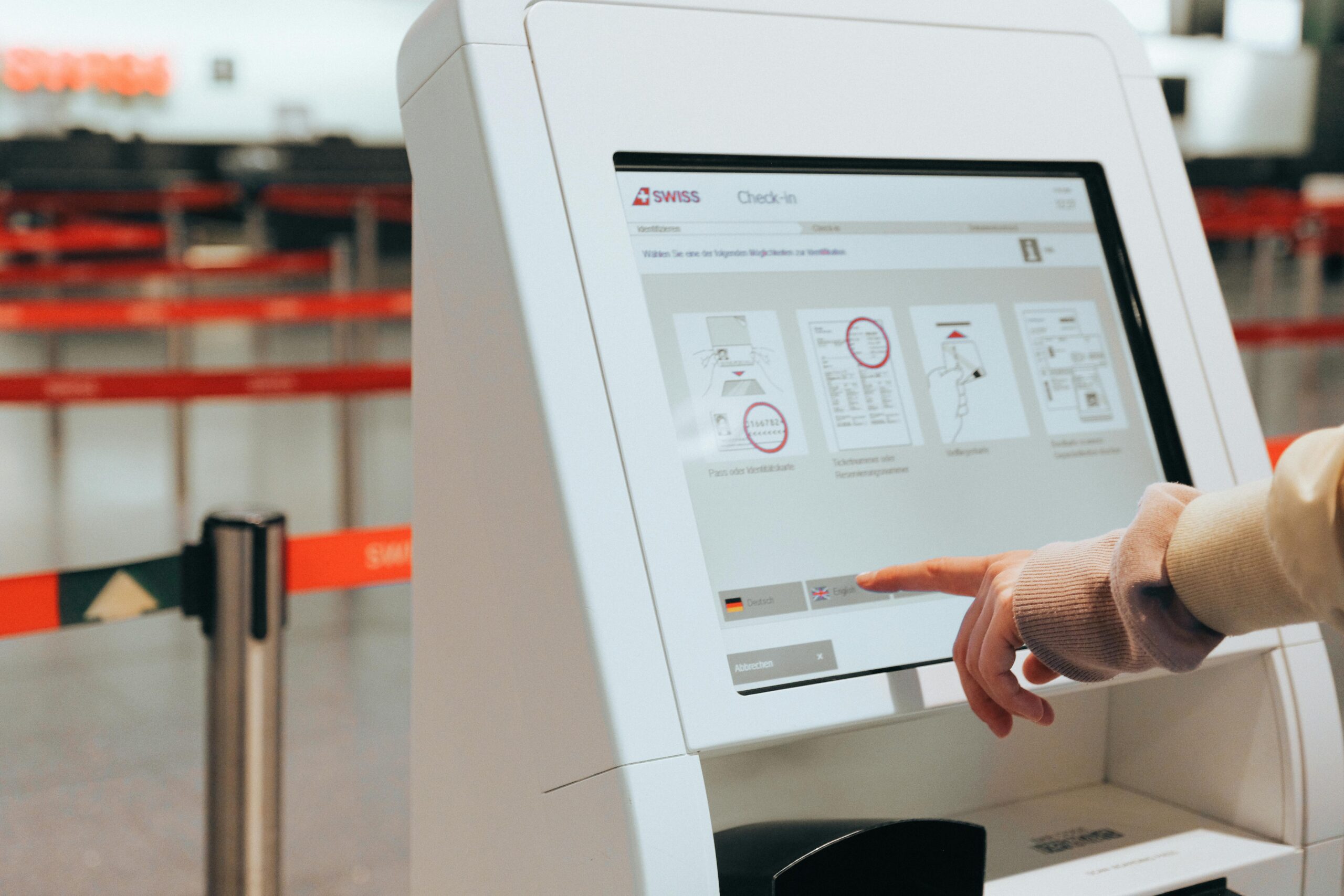
Airport delays present unique opportunities due to their typically longer duration and access to amenities. Rather than viewing a delayed flight as lost time, experienced travelers treat airport lounges as alternative offices, often accomplishing focused work without typical office interruptions.
The airport environment actually offers advantages for certain types of work. The defined time boundary creates natural urgency, often increasing focus and productivity. The absence of colleagues dropping by your desk eliminates interruptions that typically fragment your attention during office hours.
Strategic airport delay management includes identifying productive spaces before you need them. Many airports now offer dedicated work areas with charging stations and better seating. Familiarizing yourself with these locations during on-time travels means you’ll know exactly where to go when delays strike.
💼 Professional Meeting Delays: Turning Awkward Waits into Advantages
Professional delays carry additional stress because they often involve other people’s time and potential judgment. When someone keeps you waiting or when you’re early for an appointment, the situation requires both emotional management and strategic action to maintain professional composure while using time wisely.
When you’re kept waiting for a professional meeting, resist the urge to display visible frustration. Instead, view this as gifted preparation time. Review meeting notes, refine your questions, or research recent developments related to the person you’re meeting. This preparation often leads to more productive meetings than if they’d started on time.
Being early for appointments creates similar opportunities. Rather than sitting anxiously checking your watch, use this buffer time for centered breathing exercises that improve your performance in the upcoming interaction. Arriving early with a plan for that time eliminates the stress of potential lateness while creating a calm, focused entry into important meetings.
🏠 Domestic Delays: Managing Household Waiting Situations
Service provider delays—whether you’re waiting for repair technicians, delivery windows, or contractor arrivals—create unique frustrations because they often trap you at home during otherwise productive hours. These situations require different strategies than mobile delays since your location is fixed.
Transform these constrained periods into focused work blocks for tasks requiring uninterrupted concentration. The inability to leave actually creates forced focus that many people struggle to achieve in normal circumstances. Deep work tasks like writing, strategic planning, or complex analysis often benefit from these enforced “office hours” at home.
Alternatively, use this time for household tasks that you typically postpone—organizing, deep cleaning specific areas, or handling maintenance you’ve been avoiding. By keeping a running list of these tasks, you’ll have immediate options when unexpected home-bound time appears, turning frustration into accomplishment.
🧘 Mindfulness Techniques for Stress Reduction During Delays
Even with productive activities at hand, delays trigger stress responses that pure productivity cannot eliminate. Incorporating mindfulness techniques specifically designed for waiting situations provides emotional regulation that complements practical time management strategies.
The “delay meditation” technique involves acknowledging your frustration without judgment, then consciously shifting attention to physical sensations in the present moment. Notice your breathing pattern, the temperature of the air, or sounds in your environment. This practice interrupts the stress spiral that turns minor delays into major emotional disruptions.
Progressive muscle relaxation works exceptionally well during delays because it requires no equipment and can be done discretely in any setting. Starting with your toes and moving upward, briefly tense and then relax each muscle group. This physiological intervention directly counteracts the tension that accumulates during frustrating waits.
Breath Work for Immediate Calm
Controlled breathing represents the fastest, most accessible stress reduction tool available during unexpected delays. The 4-7-8 breathing technique—inhaling for four counts, holding for seven, and exhaling for eight—activates your parasympathetic nervous system, physiologically shifting your body from stress response to relaxation mode.
Box breathing, used by military personnel in high-stress situations, works equally well for civilian delay management. Breathe in for four counts, hold for four, exhale for four, and pause for four before repeating. Just two minutes of this practice measurably reduces cortisol levels and improves decision-making capacity.
📊 Tracking and Learning from Delay Patterns
Strategic delay management improves dramatically when you track patterns in your personal delay experiences. By maintaining simple records of when delays occur, their duration, and their causes, you’ll identify opportunities for proactive schedule adjustments that prevent many delays from occurring in the first place.
A basic delay journal requires only a few minutes weekly. Note which types of delays you encountered, how long they lasted, and how you responded. After several weeks, patterns emerge—perhaps Tuesday morning traffic is consistently worse, or certain service providers rarely arrive during their scheduled windows.
This data enables strategic schedule modifications. If your analysis shows that appointments scheduled for 9 AM frequently start late while 2 PM appointments typically run on time, adjust your scheduling preferences accordingly. Proactive pattern recognition prevents delays more effectively than reactive stress management.
🤝 Communication Strategies When Delays Affect Others
The stress of delays multiplies when they impact other people—when you’re running late to meet someone or when your delay causes cascading effects on others’ schedules. Effective communication in these situations minimizes relationship damage while maintaining professional credibility.
Early notification is paramount. The moment you recognize a delay is likely, communicate immediately with affected parties. This early warning allows others to adjust their own schedules rather than sitting idly wondering where you are. Specific information—”I’m currently 15 minutes away and expect to arrive by 2:30″—reduces uncertainty more effectively than vague apologies.
When communicating delays, own the situation without over-explaining. Brief, factual statements maintain professionalism: “I’m delayed by traffic and will arrive at 3:15” works better than lengthy narratives about your morning. Offer specific next steps: “Would you prefer to reschedule or can you still meet at the later time?” This approach respects others’ time while demonstrating competence despite the delay.
💡 Preventive Strategies: Reducing Delay Frequency
While perfect delay elimination is impossible, strategic planning significantly reduces how often you encounter disruptive delays. These preventive approaches address common delay causes before they materialize, creating smoother daily operations with fewer stress-inducing interruptions.
Time-buffering involves deliberately scheduling more transition time than theoretically necessary. Instead of scheduling back-to-back meetings with zero travel time, build 15-30 minute buffers between commitments. This practice absorbs minor delays before they cascade into major schedule disruptions, and when delays don’t occur, you gain valuable preparation or decompression time.
Redundancy planning creates backup options for critical commitments. Know alternative routes for important destinations, have backup transportation options researched in advance, and maintain secondary contact methods when coordinating with others. This preparation means one failure point doesn’t automatically create significant delays.
Technology for Delay Prediction and Prevention
Modern technology offers increasingly sophisticated delay prediction tools. Traffic apps that learn your patterns and provide departure time recommendations based on real-time conditions can prevent traffic delays before you leave. Flight tracking applications alert you to delays before you depart for the airport, saving wasted travel time.
Calendar tools with integrated travel time calculations help prevent scheduling errors that create delays. By automatically accounting for realistic travel duration between locations, these tools eliminate the overly optimistic schedule planning that leads to chronic lateness and perpetual rushing.
🎯 Building Delay Resilience: Long-Term Stress Immunity
Beyond individual delay-handling techniques, developing overall delay resilience creates lasting stress reduction and improved life satisfaction. This resilience stems from fundamental perspective shifts about time, control, and expectations that transform your relationship with uncertainty.
Accepting that delays are inevitable rather than aberrant removes the surprise element that amplifies stress. When you internally acknowledge that several delays will occur weekly, each individual delay triggers less emotional response because it conforms to rather than violates your expectations. This mental model adjustment represents one of the most powerful long-term stress reduction strategies available.
Developing diverse interests and flexible goals creates psychological cushioning against delay impacts. When your entire day’s success depends on single events occurring exactly as planned, delays devastate your sense of accomplishment. When you maintain multiple projects at varying stages, delays in one area become opportunities to advance others, maintaining your overall productivity and satisfaction.
🌟 Transforming Delays into Opportunities for Reflection
The most psychologically sophisticated delay response involves viewing these interruptions as rare opportunities for reflection in our relentlessly busy lives. Modern schedules rarely include deliberate pauses, making delays some of the only times we’re forced to stop and simply exist without specific tasks demanding immediate attention.
Strategic reflection during delays might include reviewing your larger goals to ensure daily activities align with deeper values. Ask yourself whether your current projects genuinely matter to you, or if you’re simply maintaining motion without meaningful direction. These brief philosophical check-ins, conducted during otherwise wasted delay time, often provide clarity that hours of intentional contemplation fail to achieve.
Gratitude practice during delays represents another powerful reframing technique. While waiting, deliberately identify three aspects of your current situation worth appreciating—perhaps the opportunity to rest, the comfort of your surroundings, or the fact that you have commitments important enough to create frustration when delayed. This cognitive exercise interrupts negative thought spirals and genuinely improves psychological well-being over time.

🔄 Creating Your Personal Delay Management System
Effective delay navigation ultimately requires developing a personalized system that matches your specific circumstances, personality, and common delay types. Rather than attempting to implement every strategy simultaneously, build your approach gradually, testing techniques and refining based on real-world results.
Start by identifying your three most common delay scenarios and your typical responses to them. Do you face frequent traffic delays where you currently just sit frustrated? Do professional meeting delays leave you awkwardly checking your phone? Do service provider delays trap you at home where you waste time on low-value activities?
For each scenario, select two strategies from this guide to implement over the next month. Perhaps you’ll create a “delay task list” on your phone and practice 4-7-8 breathing during waits. After thirty days, assess which techniques actually reduced your stress and improved your time usage, then refine your approach based on this evidence.
The goal isn’t perfect implementation of every technique but rather developing a reliable personal system that automatically activates when delays occur. With practice, your delay response becomes habitual rather than requiring conscious decision-making, dramatically reducing the cognitive load and stress these situations typically create.
Mastering delay navigation represents a significant life skill that pays dividends across professional success, personal relationships, and psychological well-being. By combining practical productivity strategies with stress management techniques and fundamental perspective shifts, you transform one of modern life’s most common frustrations into a manageable—even beneficial—aspect of your daily experience. The time you invest in developing these skills returns multiplied through reduced stress, reclaimed productivity, and improved life satisfaction for years to come.