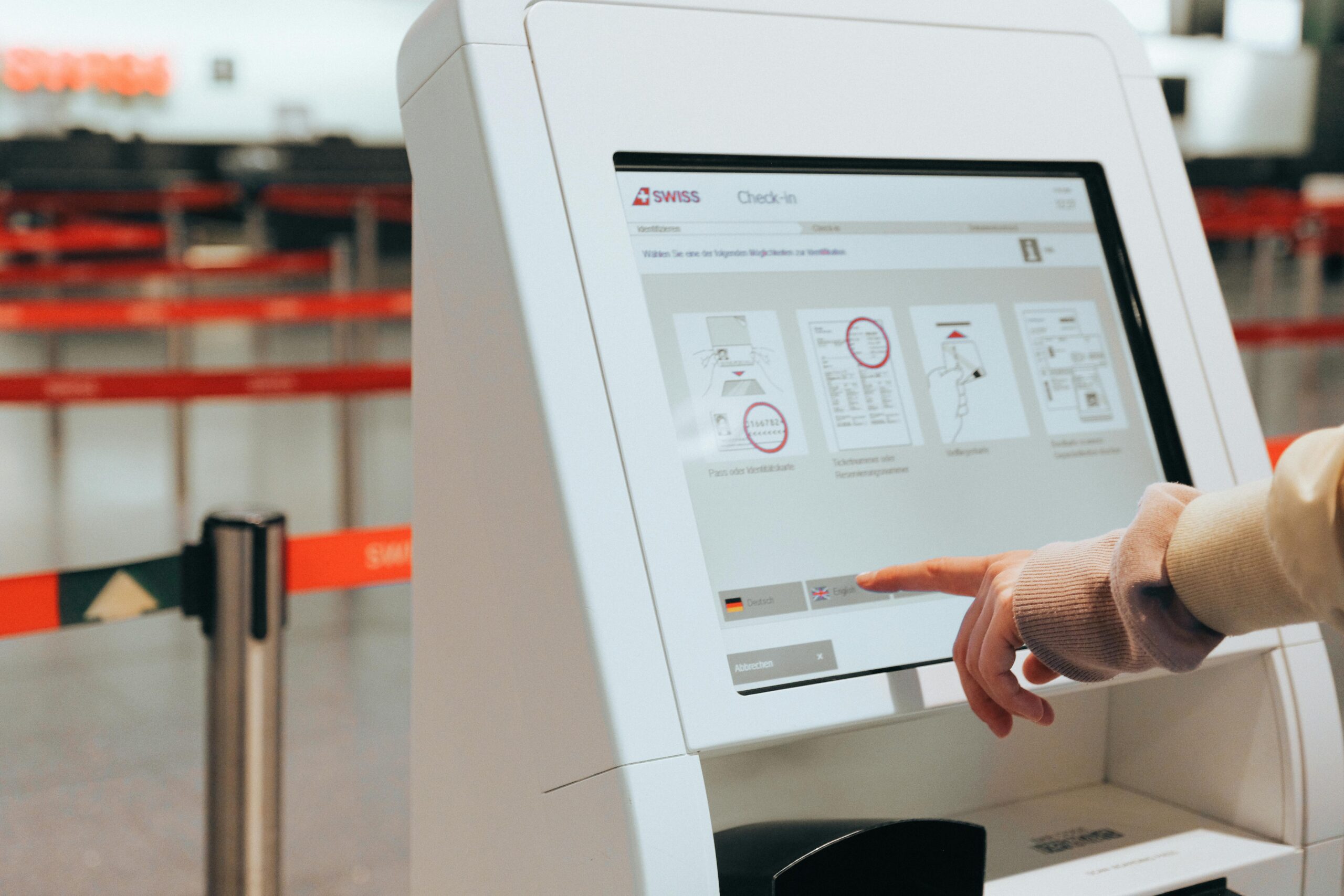
Navigating airports can be exhausting, but with the right hydration and snacking strategy, your journey becomes significantly more enjoyable and energized.

Whether you’re a frequent flyer or an occasional traveler, understanding how to maintain proper nutrition and fluid intake during airport transitions can make the difference between arriving at your destination feeling depleted or refreshed. The airport environment presents unique challenges—limited healthy options, inflated prices, security restrictions, and time constraints—that require thoughtful preparation and smart decision-making.
Why Hydration Matters More Than You Think During Air Travel ✈️
The atmosphere inside airports and aircraft is notoriously dry, with humidity levels often dropping below 20%. This environmental factor accelerates dehydration, which can lead to fatigue, headaches, dizziness, and diminished cognitive function—exactly what you don’t need when navigating terminals, managing connections, or preparing for important meetings upon arrival.
Proper hydration supports your immune system, which becomes particularly important in crowded airport spaces where you’re exposed to recirculated air and countless travelers. Staying well-hydrated also helps combat jet lag, reduces the risk of deep vein thrombosis on long flights, and keeps your energy levels stable throughout your journey.
The challenge lies in balancing hydration needs with airport security regulations that restrict liquids. Understanding these limitations while developing workarounds is essential for any savvy traveler committed to wellness on the go.
Mastering the Art of Airport Hydration Strategy 💧
The foundation of smart airport hydration begins before you even leave home. Arriving at the airport already well-hydrated gives you a significant advantage. Aim to drink at least 16-20 ounces of water in the two hours before departure, but avoid excessive intake immediately before security to minimize bathroom trips during boarding.
The Empty Bottle Technique
One of the most effective strategies for airport hydration involves bringing an empty reusable water bottle through security. Once past the checkpoint, you can fill it at water fountains or bottle-filling stations, which are increasingly common in modern airports. This approach saves money, reduces plastic waste, and ensures you always have water accessible.
Choose a bottle with measurement markings to track your intake throughout the day. Insulated bottles keep water cold for hours, making hydration more appealing, especially during long layovers or delays.
Strategic Water Purchases
When filling stations aren’t available or convenient, purchasing water becomes necessary. Look for larger bottles that offer better value per ounce, and consider buying multiple bottles if you have a long journey ahead. Some travelers prefer electrolyte-enhanced waters or coconut water for extended trips, as these replenish minerals lost through the drying airport environment.
Beverage Choices to Avoid
Not all liquids contribute equally to hydration. Coffee and caffeinated sodas act as mild diuretics, potentially counteracting your hydration efforts. Alcohol significantly dehydrates you and intensifies jet lag symptoms. If you do consume these beverages, compensate by drinking additional water—aim for one glass of water for every cup of coffee or alcoholic drink.
Building Your Perfect Travel Snack Arsenal 🎒
Airport food options have improved in recent years, but healthy choices remain limited and expensive. Preparing your own snacks ensures you have nutritious options that align with your dietary preferences and budgetary constraints while avoiding the temptation of overpriced, nutrient-poor convenience foods.
TSA-Compliant Snack Guidelines
Understanding what you can bring through security prevents unnecessary confiscation and frustration. Solid foods are generally permitted, while liquids, gels, and spreadable items must follow the 3-1-1 rule (3.4 ounces or less, in a single quart-sized bag). This means peanut butter, hummus, yogurt, and similar items face restrictions, though you can purchase them after security.
Focus on shelf-stable, non-messy options that won’t create issues during screening or annoy fellow passengers with strong odors during the flight. Your snack selection should provide sustained energy without causing digestive discomfort at altitude.
Protein-Packed Portable Options
Protein stabilizes blood sugar levels and provides lasting energy, making it essential for travel snacking. Excellent portable protein sources include individual packets of nuts and seeds, protein bars with minimal added sugars, beef or turkey jerky, hard-boiled eggs (prepared the night before), and individual portions of cheese (if refrigeration isn’t an issue for short trips).
When selecting protein bars, examine labels carefully. Many products marketed as healthy contain excessive sugars and artificial ingredients. Look for bars with recognizable ingredients, at least 10 grams of protein, and less than 10 grams of sugar per serving.
Complex Carbohydrates for Sustained Energy
Pairing protein with complex carbohydrates creates the ideal energy balance for travel. Whole grain crackers, rice cakes, granola (without excessive sweeteners), whole fruit like apples and bananas, and trail mix with dried fruit provide fiber and nutrients that keep you satisfied between meals.
Avoid simple carbohydrates like candy, pastries, and white bread products that cause energy spikes followed by crashes—particularly problematic when you need consistent alertness for navigation, connections, or arriving ready for activities.
Fresh Produce Considerations
Fresh fruits and vegetables offer hydration alongside nutrition. Apples, oranges, grapes, cherry tomatoes, snap peas, and baby carrots travel well and don’t require refrigeration for several hours. Cut vegetables can be packed in small containers, though remember that any dips must comply with liquid restrictions unless purchased after security.
Be mindful of international travel restrictions regarding fresh produce, as many countries prohibit bringing fruits and vegetables across borders. Consume these items before arrival or be prepared to discard them at customs.
Organizing Your Snacks for Easy Airport Navigation 🧳
How you pack your snacks impacts convenience and security screening efficiency. Use a dedicated snack pouch or clear bag that can be easily accessed and quickly removed during security checks. This organization prevents delays and reduces stress during the screening process.
Portion snacks into individual servings before leaving home. This approach prevents overeating, makes sharing easier, and helps manage waste. Small reusable containers, silicone bags, or parchment paper packets work well for this purpose while reducing single-use plastic consumption.
Keep a separate bag for items you plan to consume during the flight versus those for the airport. This distinction helps you avoid unpacking your entire supply when you simply want a quick snack before boarding.
Timing Your Nutrition Throughout Your Airport Journey ⏰
Strategic timing of hydration and snacking maximizes energy and comfort. Begin hydrating and eating light snacks as soon as you arrive at the airport, especially if you skipped breakfast to make an early flight. This prevents arriving at your gate already depleted.
During layovers, prioritize hydration first, then assess your hunger level. Long layovers present opportunities to purchase fresh meals, but keep healthy snacks available as backup for delays or limited options. Eat something substantial about an hour before boarding long flights to minimize in-flight hunger and dependence on airline food service.
For overnight or international flights, adjust your eating schedule toward your destination’s time zone to help reduce jet lag. This might mean eating lighter or heavier meals than you normally would at that clock time.
Budget-Friendly Strategies for Airport Nutrition 💰
Airport prices notoriously inflate food and beverage costs by 200-400%. Preparing your own supplies can save significant money, especially for families or frequent travelers. Calculate the potential savings: a $3 bottle of water purchased before security versus a $5 airport bottle multiplied by several flights annually represents meaningful savings.
When you must purchase airport food, compare prices between different vendors in the same terminal—variation can be surprising. Some airports now offer price parity programs guaranteeing that concession prices match street prices, though these programs aren’t universal.
Loyalty programs and travel credit cards sometimes offer airport lounge access, which typically includes complimentary snacks, beverages, and comfortable seating—valuable amenities that offset membership costs for regular travelers.
Special Dietary Considerations and Restrictions 🥗
Travelers with food allergies, intolerances, or specific dietary requirements face additional challenges in airports, where cross-contamination risks and limited suitable options make preparation even more critical. Pack more than you think you’ll need, as delays might extend your journey unexpectedly.
Clearly label any medical foods or specialized nutrition products, and consider carrying a doctor’s note for unusually large quantities of specific items. TSA agents can examine anything that appears questionable, and documentation expedites this process.
For religious dietary restrictions, research airport options in advance. Many major airports now offer halal, kosher, vegetarian, and vegan options, though availability varies by terminal and time of day.
Sustainable Travel Snacking Practices 🌍
Conscious travelers increasingly prioritize sustainability alongside nutrition. Reduce waste by using reusable containers, cloth napkins, and metal utensils rather than disposable alternatives. Choose snacks with minimal packaging, buy from bulk sections when possible, and select products from companies with strong environmental commitments.
Bringing your own snacks inherently reduces waste compared to purchasing individually wrapped airport options. When you do buy food at the airport, bring items on the plane to dispose of properly rather than leaving trash in gate areas or on aircraft.
Technology Tools for Travel Nutrition Planning 📱
Several mobile applications help travelers locate healthy food options, water fountains, and dietary-specific restaurants within airports. These tools can save valuable time during tight connections and help you make informed decisions about where to spend your food budget.
Apps like GateGuru provide detailed airport maps highlighting amenities including water bottle filling stations, while others focus specifically on dietary needs, showing gluten-free, vegan, or allergen-friendly options at various airports worldwide.
Creating Your Personalized Travel Nutrition Kit 🎯
Develop a standard packing list that you refine over time based on personal preferences and experiences. This consistency ensures you never forget essential items and streamlines pre-trip preparation. Your kit might include a reusable water bottle, collapsible food containers, a small packet of electrolyte powder, favorite protein bars, mixed nuts, dried fruit, and any supplements you take regularly.
Keep non-perishable items in a dedicated travel bag that stays partially packed between trips. This ready-to-go approach eliminates last-minute scrambling and ensures you always have basics available, even for unexpected travel.
Handling Extended Delays and Unexpected Situations 🚨
Flight delays and cancellations test even the best-prepared travelers. Having extra snacks and a full water bottle provides security during these stressful situations. Airlines may offer meal vouchers for significant delays, but these often cover only a portion of actual food costs and may have restrictions on eligible vendors.
During extreme delays, reassess your supplies and consider strategically purchasing fresh items to supplement your packed snacks. Balance cost savings with maintaining energy and morale during frustrating situations—sometimes that airport meal is worth the premium for comfort during a difficult travel day.
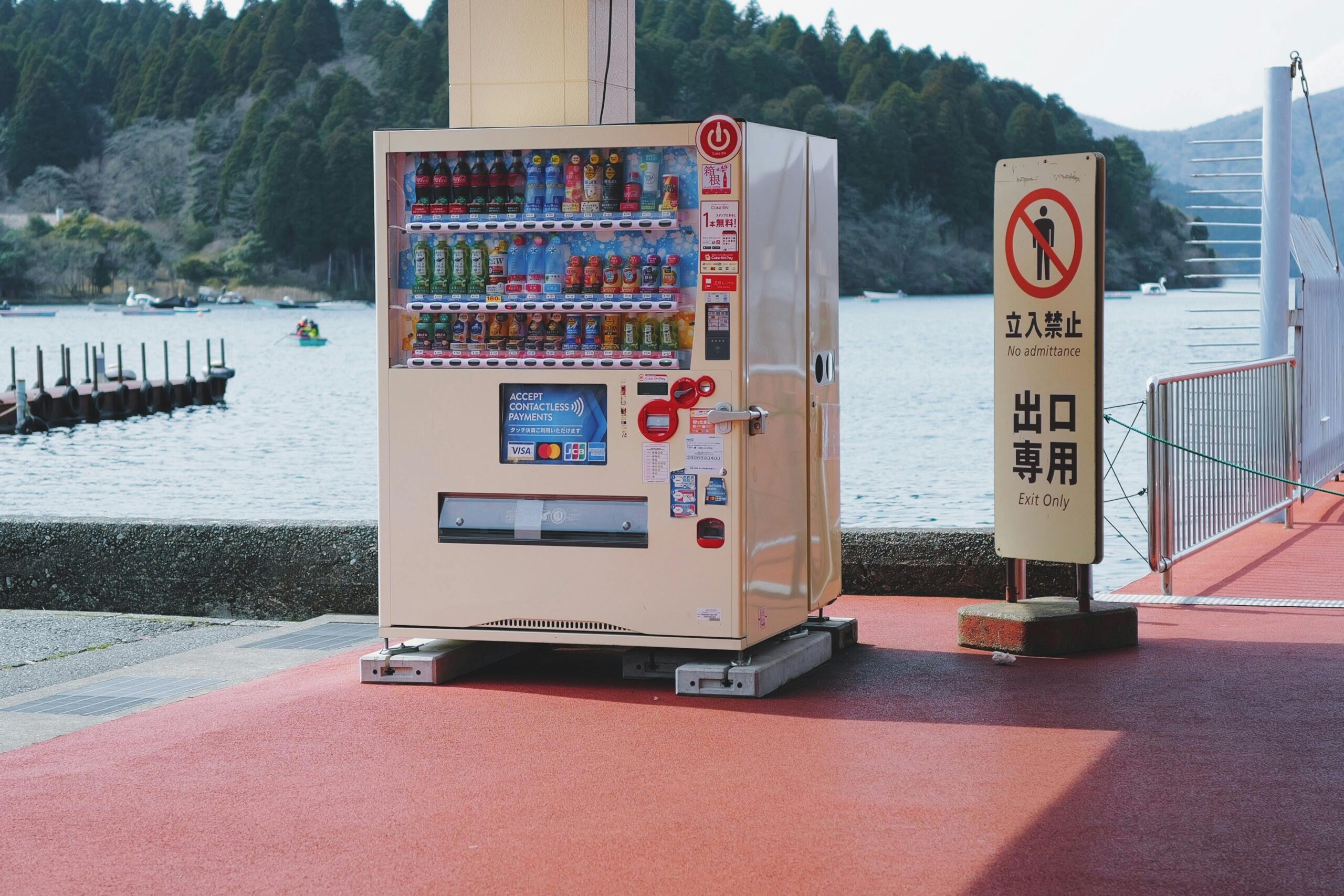
Maintaining Your Strategy for Return Journeys and Future Trips ✨
Your hydration and snack strategy shouldn’t end once you reach your destination. Apply the same principles to return flights and future travels. If visiting grocery stores during your trip, consider purchasing supplies for your return journey, often at better prices than airport options.
After each trip, evaluate what worked well and what you’d change. Did you pack too much or too little? Were certain snacks more appealing than others? Did you stay adequately hydrated? This reflection process continuously improves your travel nutrition approach.
Smart hydration and snack preparation transforms airport experiences from draining ordeals into manageable, even pleasant, parts of your journey. By investing minimal time and money into thoughtful planning, you arrive at destinations feeling energized rather than depleted, ready to fully enjoy your travels or tackle business objectives immediately upon landing. The strategies outlined here provide a comprehensive framework adaptable to your unique needs, preferences, and travel patterns—empowering you to take control of your travel wellness one trip at a time.