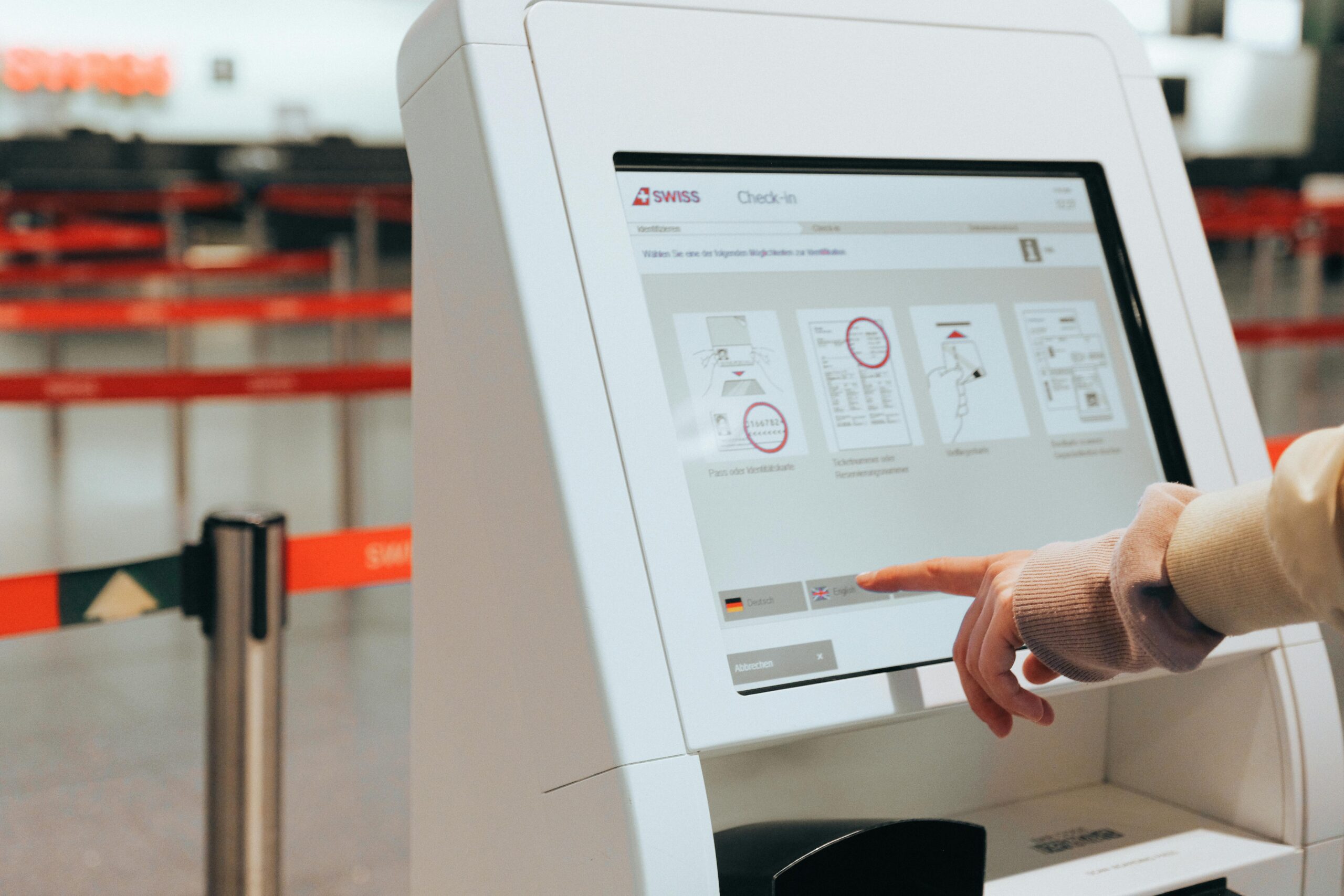
Airport kiosks have revolutionized the way travelers navigate through terminals, transforming what was once a tedious process into a streamlined experience. These self-service stations are your ticket to faster check-ins, smoother bag drops, and more control over your journey.

Whether you’re a frequent flyer or an occasional traveler, mastering airport kiosks can save you precious time and reduce stress significantly. The modern travel landscape demands efficiency, and these technological marvels are designed to put you in the driver’s seat of your airport experience. Understanding how to leverage these tools effectively can mean the difference between rushing to your gate and enjoying a leisurely coffee before boarding.
🚀 Understanding Airport Kiosks: Your Gateway to Efficient Travel
Airport kiosks are self-service terminals strategically placed throughout airport facilities, designed to help travelers complete various check-in procedures independently. These interactive machines have become increasingly sophisticated, offering multilingual interfaces, intuitive touchscreens, and comprehensive functionalities that rival traditional counter service.
Most major airlines and airports worldwide have embraced this technology, recognizing that empowering passengers to manage their own travel details reduces queues and enhances overall satisfaction. The kiosks typically feature bright, easy-to-read displays with step-by-step instructions that guide even first-time users through the process with minimal confusion.
What Can You Actually Do at Airport Kiosks?
The capabilities of airport kiosks extend far beyond simple check-ins. Modern terminals allow travelers to perform numerous tasks that traditionally required human assistance. You can retrieve your boarding pass, select or change seats, add baggage to your booking, pay for excess luggage fees, check flight status, print baggage tags, and even rebook flights in certain circumstances.
Some advanced kiosks also facilitate passport scanning for international flights, enrollment in trusted traveler programs, and printing customs declaration forms. Airlines continue expanding these functionalities, with some kiosks now offering premium seat upgrades, meal selections, and special assistance requests.
⏱️ Preparation is Everything: Before You Reach the Airport
The secret to kiosk mastery begins long before you arrive at the terminal. Proper preparation ensures you can breeze through the self-service process without hiccups or delays. Smart travelers know that a few minutes of planning can save significant time at the airport.
Start by completing online check-in 24 hours before your departure whenever possible. While you might still use the kiosk for baggage tags or seat changes, having already checked in gives you flexibility and a backup boarding pass on your mobile device. This redundancy proves invaluable if technical issues arise.
Essential Items to Have Ready
Organize your travel documents before leaving home. You’ll typically need your confirmation number, credit card used for booking, passport for international travel, or government-issued ID for domestic flights. Having these items easily accessible in a dedicated travel pouch prevents fumbling through bags while others wait behind you.
Digital organization matters too. Screenshot your confirmation details, save your airline app login credentials, and ensure your phone is charged. Many kiosks can scan QR codes from airline apps or email confirmations, making the process even faster when your information is readily available on your device screen.
🎯 The Step-by-Step Kiosk Process: Becoming a Check-In Ninja
Approaching the kiosk with confidence comes from understanding the typical workflow. While specific interfaces vary between airlines, most follow a similar logical sequence designed for intuitive navigation. The entire process usually takes between two to five minutes once you know the rhythm.
Begin by touching the screen to wake the system, then select your preferred language. The kiosk will prompt you to identify yourself through various methods: scanning your passport, entering your confirmation number, swiping your frequent flyer card, or scanning a barcode from your mobile device. Choose whichever method you have most readily available.
Navigating Common Screens and Options
After identification, the kiosk displays your flight details for verification. Double-check the date, destination, and passenger information carefully. Any errors at this stage are easier to correct than after completing the process. The system then typically presents seat selection options if you haven’t already chosen seats.
The baggage declaration screen requires attention. Accurately report the number of bags you’re checking to avoid surprises at the bag drop counter. Some kiosks process payment for checked luggage at this stage, so have your payment card ready. The machine will then print boarding passes and baggage tags with detailed instructions for attachment.
💼 Mastering the Bag Drop: The Often-Overlooked Skill
Successfully using the kiosk is only half the battle when you have checked luggage. The bag drop process has its own learning curve, and understanding the expectations speeds up this crucial step. Self-service bag drops are becoming increasingly common, putting even more control in passengers’ hands.
After printing your baggage tags at the kiosk, follow the illustrated instructions for proper attachment. Tags should be secured around the handle with the barcode visible and unobstructed. Remove any old tags from previous flights, as these can confuse baggage handling systems and potentially misdirect your luggage.
Self-Service Bag Drop Procedures
Many airports now feature automated bag drop stations adjacent to kiosks. These systems weigh your luggage, scan the tag you attached, verify dimensions, and accept the bag onto the conveyor system. The screen provides real-time feedback, confirming successful check-in or alerting you to issues like overweight bags or unreadable tags.
If your bag exceeds weight limits, the system typically directs you to a staffed counter for payment or repacking. When everything checks out, the machine issues a receipt confirming your baggage has entered the system. Keep this receipt until you’ve successfully retrieved your luggage at your destination, as it contains tracking information.
🔧 Troubleshooting Common Kiosk Issues Like a Professional
Even experienced travelers occasionally encounter kiosk challenges. Technical glitches, booking complications, or special circumstances can interrupt the smooth flow. Knowing how to address common problems prevents frustration and keeps you moving efficiently through the airport.
Document scanning failures represent the most frequent issue. If the kiosk won’t read your passport, try different angles, ensure adequate lighting without glare, remove protective covers, and clean the scanning surface with your sleeve. For barcode scanning problems, increase your phone’s screen brightness to maximum and ensure the code fills most of the screen area.
When to Seek Human Assistance
Some situations genuinely require staff intervention, and recognizing these saves time spent wrestling with technology. Complex itineraries with multiple carriers, flights booked through third-party sites, unaccompanied minor travel, special assistance needs, pet transportation, and traveling with infants often necessitate counter service.
Don’t hesitate to press the assistance button on the kiosk or approach nearby airline staff when stuck. These professionals can quickly override system limitations or guide you through uncommon scenarios. Most airlines position staff near kiosk areas specifically to help travelers navigate tricky situations efficiently.
✈️ Advanced Kiosk Strategies for Frequent Flyers
Once you’ve mastered basic kiosk operations, several advanced techniques can further optimize your airport experience. Seasoned travelers develop personalized workflows that shave additional minutes off their pre-flight routine while maximizing comfort and convenience.
Loyalty program members enjoy additional kiosk benefits often unavailable to occasional travelers. Elite status frequently grants priority bag drop access, complimentary upgrade options displayed at kiosks, and expedited security credentials printed with boarding passes. Always use your frequent flyer credentials when checking in to unlock these perks.
Strategic Timing for Kiosk Usage
Timing significantly impacts your kiosk experience. Arriving during off-peak hours means empty kiosk banks and zero wait times. Early morning flights typically see rushes between 5:00 and 6:30 AM, while afternoon international departures create crowds from 2:00 to 4:00 PM. Position your airport arrival outside these windows when possible.
If traveling during peak times, observe kiosk layouts carefully. Terminals often have multiple kiosk areas—one near the main entrance that everyone sees, and secondary locations deeper in the terminal that remain relatively empty. Walking an extra minute to less obvious kiosks frequently eliminates wait times entirely.
📱 Leveraging Technology: Apps and Digital Integration
Modern air travel increasingly integrates smartphone technology with airport systems. Mobile apps from airlines complement kiosk functionality, sometimes eliminating the need for kiosks entirely while other times enhancing the kiosk experience through seamless data transfer.
Most major airlines offer comprehensive mobile applications that serve as digital companions throughout your journey. These apps provide mobile boarding passes, real-time flight updates, gate change notifications, and digital baggage tag options. Some airlines now offer home-printed baggage tags or even completely bag-free check-in for eligible passengers.
Combining Mobile and Kiosk Workflows
The most efficient travelers use both mobile apps and kiosks strategically. Complete initial check-in via app while commuting to the airport, then use kiosks exclusively for printing baggage tags when necessary. This hybrid approach provides the speed of mobile check-in with the physical requirements satisfied through quick kiosk interaction.
Some airports support electronic bag tags that can be activated through apps, completely bypassing both kiosks and traditional paper tags. While not yet universal, this technology represents the future direction of baggage handling. Early adopters who invest in compatible luggage enjoy the ultimate streamlined experience.
🌍 International Travel Considerations: Kiosks Across Borders
Airport kiosks vary considerably across different countries and regions. Understanding these variations helps maintain your efficiency advantage regardless of where you’re traveling. International flights often involve additional documentation steps that affect the kiosk experience.
Many countries require advance passenger information and customs declarations before arrival. Some airport kiosks facilitate these processes, while others require separate electronic submission. Familiarize yourself with destination country requirements before your trip to determine which steps can be completed at departure kiosks versus those requiring alternative procedures.
Automated Passport Control and Customs Kiosks
Upon international arrival, you’ll encounter different kiosk types focused on immigration and customs processing. Automated Passport Control kiosks scan your passport, capture your photo, and ask customs declaration questions, then print a receipt for presentation to border officers. These significantly reduce immigration line times.
Enrollment in trusted traveler programs like Global Entry, NEXUS, or various country-specific equivalents provides access to dedicated kiosks with expedited processing. While these require advance application and approval, frequent international travelers find the investment worthwhile for the consistent time savings across multiple trips.
👨👩👧👦 Family and Group Travel: Kiosk Efficiency for Multiple Passengers
Traveling with family or groups presents unique kiosk challenges. Managing multiple boarding passes, baggage allowances, and passenger needs requires organization and strategy. However, kiosks often handle groups more efficiently than traditional counters once you understand the workflow.
Most airline kiosks allow processing multiple passengers under a single reservation simultaneously. After initial identification with the booking confirmation, the system displays all travelers on the itinerary. You can then manage seats, baggage, and special requests for everyone before printing all boarding passes together.
Coordinating Children and Special Needs
When traveling with children, complete kiosk procedures before they become restless. Arriving slightly earlier than usual provides buffer time for inevitable distractions. Some families find success with one adult managing the kiosk while another supervises children, then reuniting at the bag drop with everything processed.
Passengers requiring special assistance, wheelchair services, or traveling with medical equipment should use kiosks for basic check-in but connect with gate agents for assistance arrangements. While some special services can be requested through kiosks, confirming these arrangements with staff ensures your needs are properly communicated and accommodated.
💡 Expert Tips That Make All the Difference
Small details separate kiosk novices from experts. These insider tips come from observing thousands of successful check-ins and learning from common mistakes. Implementing even a few of these suggestions noticeably improves your airport experience.
Always verify your boarding pass details immediately after printing. Confirm your name spelling, destination city code, flight number, departure time, terminal, and gate. Catching errors before leaving the kiosk area means quick reprinting versus searching for staff assistance later. This simple verification takes fifteen seconds but prevents significant headaches.
Creating Your Personal Kiosk Routine
Develop a consistent personal routine for kiosk usage. Maybe you always place your bag to your left, phone in your right pocket, and passport in your jacket’s inside pocket. This muscle memory prevents fumbling and lost items during the process. Experienced travelers operate almost on autopilot because their routine is so ingrained.
Take a photo of your baggage tags immediately after attachment. If tags detach during handling or luggage goes missing, having photos of the barcode and tracking numbers significantly expedites resolution. This ten-second action provides insurance against one of travel’s most frustrating experiences.
🎓 Continuous Improvement: Staying Updated with Evolving Technology
Airport technology constantly evolves, with new features and capabilities regularly added to kiosk systems. Maintaining your expertise requires staying informed about innovations and adapting your strategies accordingly. The travelers who consistently enjoy the smoothest experiences are those who embrace new developments.
Subscribe to email updates from airlines you frequently use. These communications often announce new kiosk features, terminal changes, or procedural updates. Following aviation news outlets and frequent flyer blogs also keeps you informed about industry-wide trends before they become mainstream.
Each time you travel, observe what’s changed since your last trip. Airlines continuously refine interfaces based on user feedback and emerging technology. That extra minute spent exploring new menu options or features pays dividends through increased efficiency on future trips.

🏆 Your Journey to Kiosk Mastery: Taking Action
Transforming from a hesitant kiosk user to a confident expert doesn’t happen overnight, but each trip provides opportunities to refine your skills. The strategies outlined throughout this guide give you the framework for dramatically improving your airport efficiency, reducing stress, and reclaiming valuable time.
Start implementing these techniques on your very next trip. Begin with the preparation phase, organizing documents and completing advance check-in. At the airport, approach kiosks confidently with your materials ready. Observe what works smoothly and what needs adjustment, then refine your personal process for subsequent travels.
Remember that even experts occasionally encounter unexpected situations. The difference lies not in avoiding all problems but in efficiently resolving them when they arise. Your growing familiarity with kiosk systems makes troubleshooting increasingly intuitive over time.
The modern airport experience increasingly favors self-sufficient travelers who leverage available technology. By mastering airport kiosks, you join the ranks of efficient travelers who navigate terminals with ease, avoid unnecessary queues, and maintain control over their journey from arrival to boarding. Your investment in developing these skills pays continuous dividends through reduced stress and enhanced travel experiences across all your future adventures. Safe travels! ✈️