Traveling with children doesn’t have to be overwhelming. With the right planning and mindset, family adventures can become cherished memories rather than stressful ordeals.

Every parent knows that juggling luggage, snacks, entertainment, and little ones while navigating airports or road trips requires strategy. The difference between a chaotic journey and a smooth adventure often comes down to preparation and flexibility. Modern families are discovering that smart travel isn’t about perfection—it’s about creating systems that work for everyone, no matter their age or travel experience.
🎒 The Foundation: Planning That Actually Works
Successful family travel begins weeks before departure. Creating a detailed itinerary that includes downtime is essential. Children thrive on routine, so maintaining some semblance of their normal schedule—even while exploring new destinations—can prevent meltdowns and ensure everyone enjoys the experience.
Start by involving your children in the planning process. Show them pictures of your destination, read books about the location together, and let them choose one activity they’re excited about. This investment in their enthusiasm pays dividends when they feel ownership over the adventure.
Consider travel timing carefully. Early morning flights might seem convenient, but if they disrupt sleep schedules significantly, you’ll pay the price with cranky kids. Mid-morning departures often strike the perfect balance, allowing for normal breakfast routines while still maximizing your destination time.
Creating Your Family Travel Checklist
A comprehensive checklist prevents last-minute panic. Break yours into categories: documents, clothing, entertainment, health essentials, and comfort items. Update this master list after each trip, noting what you actually used versus what stayed packed.
- Passports and identification documents (check expiration dates months in advance)
- Medications with prescriptions, including extras in case of delays
- Comfort items like favorite blankets or stuffed animals
- Portable chargers and entertainment devices
- Snacks that don’t require refrigeration
- Change of clothes in carry-on luggage for everyone
- First aid supplies tailored to your destination
✈️ Mastering Transportation with Little Travelers
Whether you’re flying, driving, or taking trains, transportation represents the biggest stress point for family travel. The key is transforming transit time from something to endure into part of the adventure itself.
For flights, book seats strategically. Window seats give curious kids something to watch, while aisle seats provide easy bathroom access. If traveling with very young children, some parents prefer red-eye flights when kids might sleep, though this approach doesn’t work for every family.
Arrive at airports with extra time cushion—at least two hours for domestic flights and three for international. Rushing through security with children creates unnecessary stress. Many airports now offer family-friendly amenities like play areas; build in time to use them before boarding.
Road Trip Success Strategies
Car travel offers flexibility that flights can’t match. Plan routes with interesting stops every 90 minutes to two hours. These breaks allow children to burn energy and prevent the “are we there yet?” chorus from reaching fever pitch.
Transform your vehicle into an entertainment hub. Audiobooks engage the whole family, creating shared experiences you’ll reference for years. Road trip bingo, license plate games, and storytelling competitions keep minds active during long stretches.
Pack a cooler with healthy snacks and drinks. Gas station stops are convenient, but relying on them exclusively means expensive, unhealthy options. Having alternatives gives you control over both budget and nutrition.
🏨 Accommodation Choices That Support Family Harmony
Where you stay dramatically impacts your trip’s success. Hotels offer convenience, but vacation rentals provide space that can be invaluable with children. Having separate sleeping areas means adult time after kids are asleep, plus kitchens allow for familiar meal preparation.
Research family-specific amenities before booking. Pools, playgrounds, and kids’ clubs can provide entertainment that gives parents breathing room. Read recent reviews from other families—they’ll mention details that matter, like whether walls are paper-thin or if the “kid-friendly” designation is genuine.
Location matters more than luxury when traveling with children. Proximity to attractions, restaurants, and grocery stores reduces transit time and increases flexibility. A modest accommodation in a central location often beats a resort that requires lengthy commutes for every activity.
Setting Up Your Home Base
Upon arrival, unpack essentials immediately and establish “zones” within your accommodation. Designate spaces for bags, dirty clothes, and snacks. This organization prevents the chaos that accumulates when everyone treats the space like a temporary stop.
Maintain bedtime routines as much as possible. Bring nightlights if your children use them at home. The more familiar their sleeping environment feels, the better everyone rests—and well-rested families have better adventures.
🍽️ Food Strategies for Adventurous (and Picky) Eaters
Dining can make or break family travel experiences. Research restaurant options before your trip, identifying places with children’s menus and quick service. Long waits for food test everyone’s patience.
Balance new culinary experiences with familiar favorites. Trying local cuisine is part of travel education, but having backup options prevents hunger-induced meltdowns. Many parents follow the “one familiar meal daily” rule, allowing kids to recharge with something they love.
Grocery store visits in your destination city provide cultural immersion while stocking up on snacks and breakfast items. Children enjoy choosing treats from foreign aisles, and having room-based breakfast options means leisurely mornings without immediate restaurant hunts.
Managing Food Allergies and Restrictions
Families dealing with dietary restrictions need extra preparation. Learn key phrases in local languages to communicate allergies. Carry translation cards explaining restrictions in detail. Research restaurants in advance, calling ahead when necessary to verify they can accommodate your needs.
Pack safe snacks generously. While you shouldn’t let allergies limit your adventures, having reliable food options provides security and prevents hunger emergencies.
🎨 Keeping Kids Engaged Without Overscheduling
The temptation to pack every moment with activities is strong, especially when visiting bucket-list destinations. Resist it. Overscheduled children become overwhelmed, leading to behavior problems that overshadow experiences you’ve paid dearly to provide.
Follow the “one major activity daily” guideline. Whether it’s a museum visit, theme park day, or hiking adventure, focus on quality over quantity. Leave afternoons unstructured for spontaneous exploration or downtime at your accommodation.
Mix activities that interest different family members. If one day focuses on something your oldest loves, the next should spotlight a younger sibling’s interest. This fairness prevents resentment and ensures everyone feels valued.
Educational Opportunities Disguised as Fun
Travel provides unmatched learning experiences. Before visiting historical sites or museums, read age-appropriate books about what you’ll see. This context makes destinations come alive rather than feeling like boring obligations.
Consider scavenger hunts at museums or landmarks. Many institutions offer family-focused programs, but you can create your own. Challenge kids to find specific items, architectural details, or animals. This active engagement beats passive observation for young travelers.
📱 Technology as Your Travel Ally
Smart travelers leverage technology without becoming enslaved to it. Navigation apps prevent getting lost in unfamiliar cities. Google Maps allows offline map downloads, ensuring you stay oriented even without cellular service.
Translation apps break down language barriers, turning potential frustrations into learning opportunities. Show children how to use these tools, empowering them to order food or ask simple questions in new languages.
Entertainment apps save sanity during transit delays or unexpected downtime. Download movies, shows, and games before departure. Many streaming services allow offline downloads—use this feature liberally before leaving home.
Digital Organization Tools
Cloud-based organization keeps important documents accessible without physical copies. Scan passports, insurance cards, prescriptions, and itineraries. Store them in secure cloud storage accessible from any device. This backup proves invaluable if physical documents are lost or stolen.
Shared family calendars help everyone know the plan. Older children appreciate seeing the itinerary, reducing anxiety about unknowns. Include addresses, reservation confirmations, and contact information for seamless coordination.
💰 Budget-Friendly Family Travel Tips
Travel with children doesn’t require unlimited funds. Strategic planning stretches budgets significantly. Traveling during shoulder seasons means lower prices and smaller crowds—a win-win for families seeking value and comfort.
Many museums and attractions offer free admission days or reduced family rates. Research these opportunities when planning your itinerary. City tourism passes often provide significant savings if you’ll visit multiple attractions.
Pack lunches for days with expensive on-site dining. Theme parks and tourist areas charge premium prices for basic food. Bringing sandwiches, fruit, and snacks can save hundreds of dollars on a week-long vacation.
Finding Free Family Activities
Every destination offers free or low-cost experiences if you know where to look. Parks, playgrounds, beaches, and hiking trails cost nothing but provide hours of entertainment. Many cities offer free concerts, festivals, or outdoor movie screenings during summer months.
Public libraries in tourist destinations welcome travelers. They provide air-conditioned respite, bathrooms, and often children’s programs or story times. Local libraries also offer insights into community culture that tourists typically miss.
🧘 Managing Stress and Expectations
Even with perfect planning, travel with children brings unexpected challenges. Flights delay. Children get sick. Weather doesn’t cooperate. Your response to these inevitable hiccups determines whether they become disasters or just stories.
Build flexibility into every plan. If you’ve scheduled every minute, any disruption creates cascading problems. Loose itineraries absorb setbacks without ruining entire days. The best family travel memories often come from unplanned moments discovered while wandering.
Remember that your children won’t remember every museum or landmark. They’ll remember how you made them feel, the ice cream shared on a hot afternoon, the silly songs sung in the rental car. Prioritize connection over perfection.
Handling Meltdowns with Grace
Tired, overstimulated children have meltdowns. Accept this reality rather than fighting it. Remove them from situations calmly, find quiet spaces to regroup, and don’t worry about strangers’ judgments. Every parent travels this road.
Carry comfort items that soothe your specific children. Whether it’s a favorite snack, a particular toy, or simply your undivided attention, knowing what works for your family allows quick recovery from difficult moments.
🌍 Creating Lasting Travel Memories
Document your adventures in ways that engage children. Disposable cameras or kid-friendly digital cameras let them capture their perspectives. Their photos reveal what actually captured their attention versus what adults assumed would matter.
Travel journals work for children who enjoy writing or drawing. Simple prompts like “favorite thing today” or “new food I tried” create keepsakes they’ll treasure. Even young children can paste tickets, brochures, or pressed flowers into memory books.
Post-trip, create photo books together. Let children help choose images and write captions. This activity extends the travel experience while cementing memories. It also builds anticipation for future adventures.
Building Confident Young Travelers
Each trip teaches children valuable skills. They learn flexibility, cultural awareness, problem-solving, and resilience. Pointing out their growth builds confidence for future adventures. “Remember when you were nervous about trying new food? Look how brave you’ve become!”
Give children age-appropriate responsibilities during travel. Younger kids might be in charge of boarding passes or choosing the day’s snack. Older children can navigate using maps or manage portion of budgets. These responsibilities foster independence and investment in trip success.
🎯 Bringing It All Together
Smart family travel isn’t about eliminating all challenges—it’s about building systems that handle them gracefully. Start with realistic expectations, plan thoroughly while remaining flexible, and focus on what truly matters: time together exploring our remarkable world.
Your first family trip might not go perfectly. Neither will your tenth. But each adventure teaches lessons that make the next one smoother. The children who seem impossibly challenging to travel with at three become fascinating companions at eight and independent adventurers at fifteen.
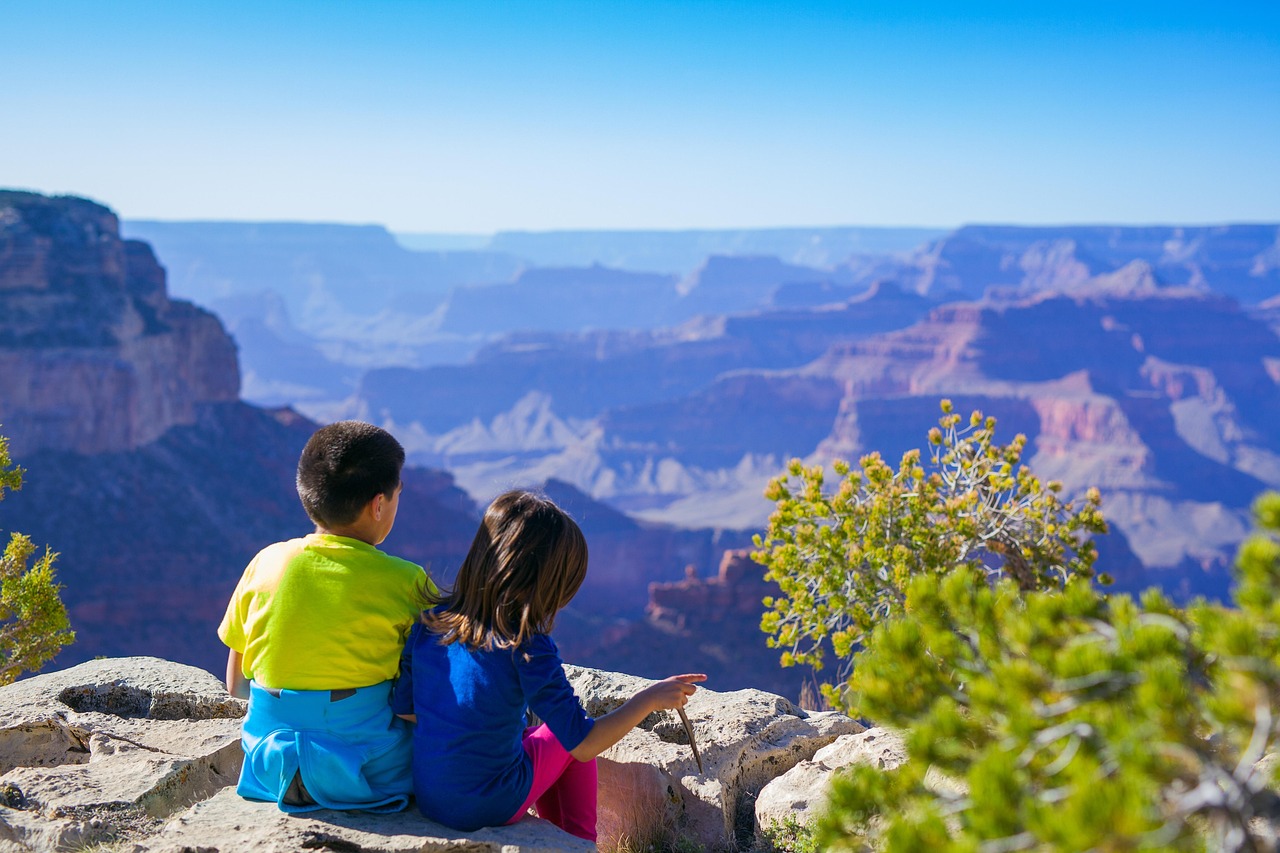
The world opens differently when experienced through children’s eyes. Their wonder at ordinary things we’ve stopped noticing reminds us why we travel in the first place. A pigeon in a foreign plaza captivates them as much as the cathedral behind it. This perspective is the gift they give us.
Begin planning your next family adventure today. Start small if international travel feels overwhelming—weekend trips build skills for longer journeys. The memories you create together become the foundation of your family story, the adventures referenced at dinner tables for decades to come. Every challenge overcome, every new food tried, every magnificent view shared strengthens bonds that define who you are together. Your children won’t remember the stress you felt—they’ll remember the parent who showed them the world.