Arriving at the airport at the right time can make the difference between a smooth journey and a stressful scramble through security. Understanding when to check in depends on multiple factors unique to your specific trip.

Whether you’re a seasoned business traveler or embarking on a family vacation, airport timing isn’t one-size-fits-all. The type of flight, destination, airline policies, and even the day of the week all influence your ideal arrival window. Getting this calculation right means avoiding unnecessary waiting while ensuring you don’t miss your flight.
✈️ Why Airport Timing Matters More Than You Think
The chaos of missed flights costs airlines and passengers billions annually, with many incidents stemming from poor time management. Airlines have specific cut-off times for check-in, baggage drop, and boarding that aren’t negotiable, regardless of how close you were to making it.
Beyond avoiding missed departures, arriving at the optimal time reduces stress levels significantly. Studies show that travel anxiety peaks when passengers feel rushed or uncertain about whether they’ll make their flight. Conversely, arriving excessively early leads to fatigue, especially for early morning departures, and wastes valuable time that could be better spent.
Airport congestion varies dramatically based on time of day, season, and current security protocols. What worked perfectly for your last trip might not apply to your next one, making it essential to reassess timing for each journey.
Domestic Flights: The Standard Guidelines and Exceptions
For most domestic flights within the United States and similar markets, the conventional wisdom suggests arriving 90 minutes to two hours before departure. This timeframe typically provides adequate buffer for check-in, security screening, and reaching your gate without excessive waiting.
However, several factors can shift this recommendation considerably:
- Peak travel periods like Monday mornings, Friday afternoons, and holiday weekends demand earlier arrival
- Smaller regional airports often require less time due to shorter security lines
- TSA PreCheck or Clear membership can reduce necessary arrival time by 15-30 minutes
- Checking bags adds approximately 20 minutes to your minimum arrival window
- Unfamiliar airports warrant extra time for navigation and unexpected complications
The Seasoned Commuter Approach
Frequent flyers on familiar routes often cut timing much closer than recommended guidelines suggest. Business travelers who fly the same route weekly, carry only hand luggage, and have expedited security access might arrive just 45-60 minutes before departure.
This strategy only works with several conditions in place: complete familiarity with the airport layout, trusted-traveler status, no checked baggage, and acceptance of the occasional missed connection. It’s a calculated risk that prioritizes time efficiency over absolute certainty.
International Departures: When Earlier Really Is Better
International flights require significantly more advance arrival time, with the standard recommendation being three hours before departure. This extended window accommodates additional security procedures, customs and immigration processing, and the longer distances often required to reach international terminals.
The three-hour guideline becomes even more critical when traveling from major international hubs like New York JFK, London Heathrow, or Dubai International. These airports handle massive passenger volumes, and security queues can extend beyond an hour during peak periods.
Document verification for international travel adds another layer of time consumption. Airlines must verify passport validity, visa requirements, and sometimes vaccination records before issuing boarding passes. This process can take anywhere from two to fifteen minutes per passenger, creating significant delays during busy periods.
Strategic Timing for Long-Haul Connections
When your international journey includes connections, timing becomes exponentially more complex. If your first flight is domestic leading to an international departure, you need to account for terminal changes, potential delays, and re-clearing security at some airports.
Many experienced travelers book connections with a minimum three-hour layover for international flights, though airlines’ minimum connection times might be considerably shorter. The peace of mind from adequate buffer time outweighs the inconvenience of airport waiting, especially when dealing with different terminals or even different airports in cities like London, Tokyo, or New York.
Budget Airlines vs. Legacy Carriers: Different Rules Apply 🎫
The airline you choose significantly impacts ideal check-in timing. Budget carriers typically enforce stricter check-in deadlines and boarding times, with some closing check-in counters 40-60 minutes before departure for domestic flights and up to two hours for international routes.
Legacy carriers generally offer more flexibility, though they still maintain cut-off times. The key difference lies in enforcement—budget airlines rarely make exceptions, while full-service carriers occasionally exercise discretion for passengers who arrive slightly late.
Many low-cost airlines also encourage online check-in and charge fees for airport counter service, making advance digital check-in and earlier arrival more economical. Some budget carriers assign boarding groups based on check-in time, incentivizing early online check-in even if you don’t arrive at the airport early.
Family Travel: Building in Buffer Time
Traveling with children transforms airport timing calculations entirely. The unpredictability factor multiplies with each child in your party, making generous buffer time essential for stress-free travel.
Families should add at least 30 minutes to standard arrival recommendations. This extra time accommodates slower movement through the airport, bathroom breaks, last-minute diaper changes, and the inevitable forgotten item that requires repacking.
For international family travel, consider arriving a full four hours early. This might seem excessive, but it accounts for the complexities of managing children through extended security procedures, keeping everyone calm and fed, and having time to address any documentation issues without panic.
Making Wait Time Productive and Pleasant
The downside of early arrival with children is managing extended wait times. Modern airports increasingly offer family-friendly amenities including play areas, nursing rooms, and kid-focused restaurants that can transform waiting from tedious to enjoyable.
Some airports now feature dedicated family security lanes that move more slowly but accommodate the chaos of traveling with little ones. Researching these amenities before your trip helps you plan your arrival time and manage expectations.
Peak Season and Holiday Travel Adjustments 🎄
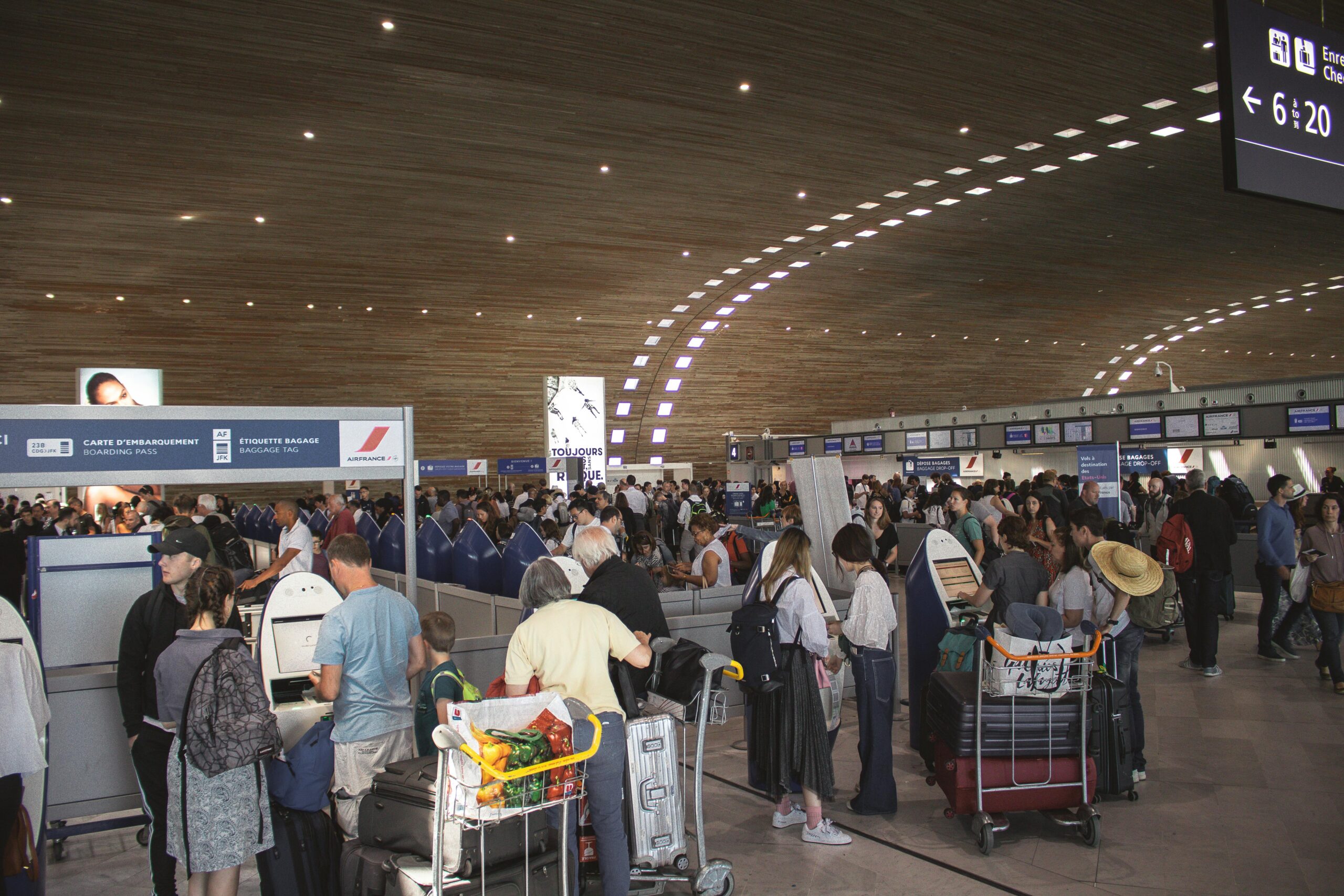
Normal timing guidelines become inadequate during peak travel periods. Thanksgiving week, the Christmas holiday period, spring break, and summer vacation months see dramatically increased passenger volumes that strain airport capacity.
During these periods, add at least 30-60 minutes to your standard arrival time. Major airports can experience security wait times exceeding two hours during peak holiday travel days, particularly at the busiest times of day.
The day before Thanksgiving and the Sunday after consistently rank as the busiest travel days in North America. If your trip falls on or near these dates, arriving three hours early for domestic flights becomes prudent rather than excessive.
Airport-Specific Considerations That Change Everything
Airport infrastructure, efficiency, and passenger volume create unique timing requirements at different facilities. What works at a streamlined airport like Portland International won’t necessarily apply at notoriously congested hubs.
Large international hubs like Atlanta Hartsfield-Jackson, Beijing Capital, or London Heathrow require more time due to sheer size, longer walking distances between check-in and gates, and higher passenger volumes. Smaller regional airports often allow shorter arrival windows due to simpler layouts and faster processing.
Some airports have particularly challenging characteristics:
- Los Angeles LAX suffers from traffic congestion making terminal approach unpredictable
- London Heathrow requires extensive walking and often has immigration queues
- New York LaGuardia underwent renovations that temporarily complicate navigation
- Miami International experiences extreme congestion during Latin American travel peaks
Using Real-Time Airport Data
Modern technology provides real-time security wait time information for many major airports. The MyTSA app offers current wait times for U.S. airports, helping travelers make informed decisions about when to leave for the airport.
Airport-specific apps often provide additional information including parking availability, terminal maps, and current delays. Checking these resources before departing for the airport allows dynamic adjustment of your timing based on actual conditions rather than general guidelines.
The Digital Check-In Advantage ✨
Online and mobile check-in fundamentally changes airport timing by eliminating one time-consuming step. Most airlines open online check-in 24 hours before departure, allowing you to select seats, add baggage, and receive boarding passes from anywhere.
With online check-in completed and no bags to check, your airport arrival can focus purely on security and reaching your gate. This potentially reduces required arrival time by 20-30 minutes, though it shouldn’t encourage cutting things dangerously close.
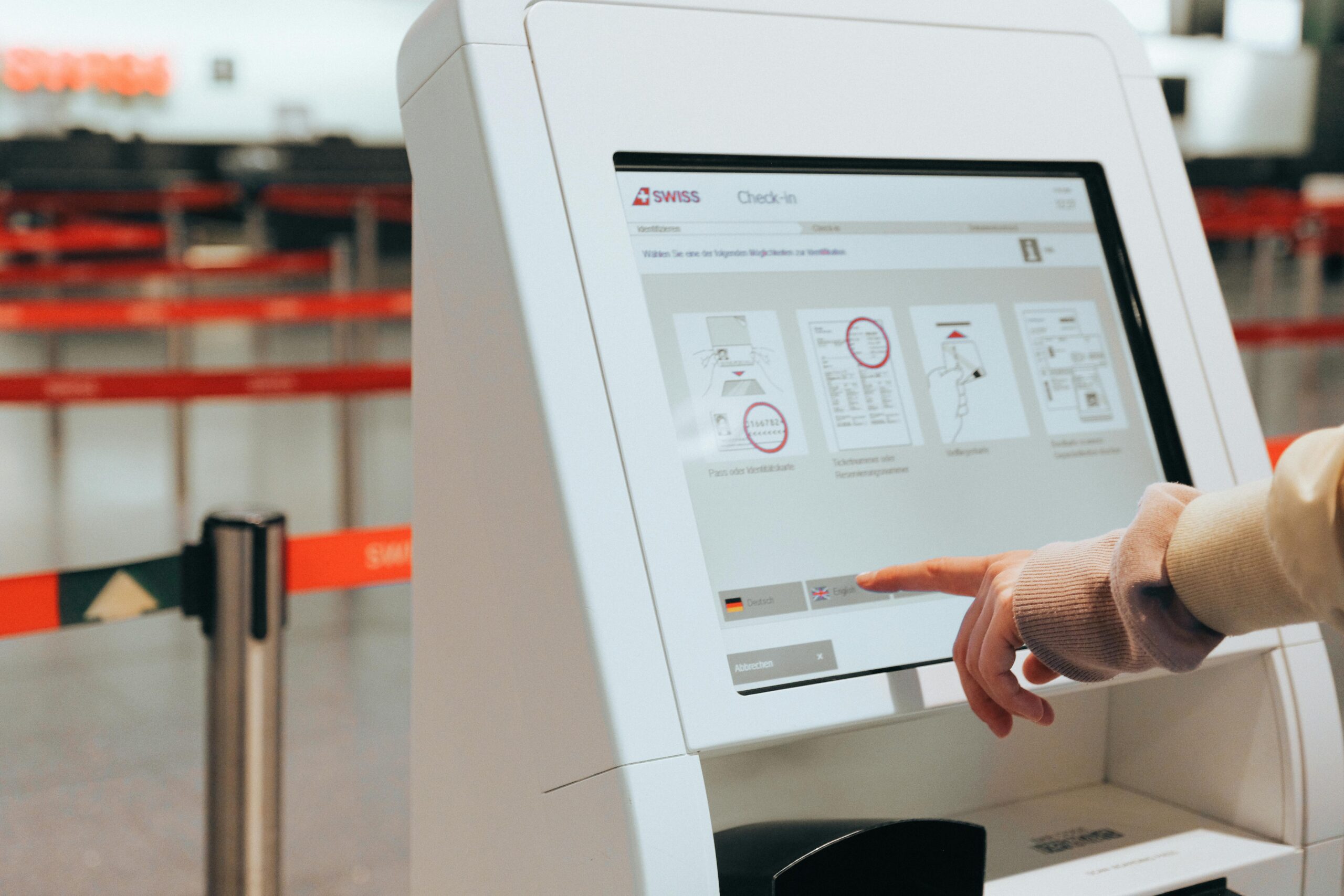
Mobile boarding passes stored in smartphone wallets further streamline the process, eliminating the need to print anything or visit a kiosk. Some airports now offer biometric boarding that recognizes passengers automatically, creating an almost seamless progression from security to gate.
Weather, Construction, and Unexpected Delays
External factors beyond airport operations can dramatically impact ideal arrival timing. Severe weather doesn’t just affect flights—it complicates ground transportation to the airport and can slow security screening as equipment malfunctions.
When traveling during winter storm season or hurricane-prone periods, monitor weather forecasts and add buffer time if conditions look questionable. Road construction near airports or special events in the city can also create traffic delays that extend travel time from your location to the terminal.
Major sporting events, concerts, or conventions near airports often create unexpected congestion both on roads and within terminals. Checking local event calendars before your travel date helps identify potential complications.
Creating Your Personalized Timing Formula
Rather than relying solely on general guidelines, develop a personal timing formula based on your specific circumstances, risk tolerance, and travel patterns. This customized approach accounts for your unique situation while maintaining appropriate safety margins.
Consider these personalization factors:
- Your typical packing and preparation speed
- Trusted traveler program membership status
- Familiarity with the specific airport
- Whether you’re checking bags
- Time of day and day of week for your flight
- Your stress tolerance and preference for buffer time
- Transportation reliability to the airport
The Conservative vs. Aggressive Approaches
Some travelers prefer the conservative approach: arriving early, accepting longer wait times, and essentially eliminating any risk of missing flights. This strategy prioritizes absolute certainty over time efficiency and suits those who find airport stress particularly unpleasant.
The aggressive approach cuts timing closer, values time efficiency over comfort margins, and accepts small risks of complications. This works best for flexible travelers whose missed flight wouldn’t cause catastrophic problems and who travel frequently enough to have refined their timing instincts.
Most travelers fall somewhere between these extremes, adjusting their approach based on the specific trip’s importance and flexibility.
Special Circumstances That Demand Extra Time ⏰
Certain situations automatically warrant additional arrival buffer regardless of other factors. First-time flyers should add substantial extra time to account for unfamiliarity with airport procedures and the stress of new experiences.
Passengers with reduced mobility need extra time for accessibility services, which often require advance arrangement and slower progression through airport facilities. Most airlines recommend contacting them at least 48 hours before departure to arrange necessary assistance.
Traveling with valuable or unusual items like musical instruments, sports equipment, or fragile cargo requires additional check-in time for special handling arrangements. International travel with pets demands even more advance arrival for veterinary documentation review and special cargo processing.
Making the Final Decision With Confidence
Perfect airport timing balances competing priorities: avoiding missed flights, minimizing wasted waiting time, reducing stress, and accounting for unpredictable variables. No single formula works for everyone or every trip, making situational assessment essential.
Start with standard guidelines as your baseline: two hours for domestic flights, three hours for international departures. Then adjust based on your specific circumstances, the airport’s characteristics, seasonal factors, and your personal risk tolerance.
When in doubt, err on the side of arriving earlier rather than cutting things close. The cost of missing a flight—financially, logistically, and emotionally—far outweighs the inconvenience of spending an extra 30 minutes in the terminal. Modern airports offer increasingly pleasant waiting environments with dining, shopping, workspaces, and relaxation areas that make early arrival less burdensome than it once was.
Ultimately, the best arrival time is one that gets you on your flight without excessive stress while respecting your time and the realities of modern air travel. By understanding the factors that influence ideal timing and honestly assessing your own travel style, you can develop an approach that makes every journey smoother and more enjoyable.