Traveling light doesn’t mean compromising on fresh clothes. Whether you’re backpacking through Europe, on a business trip, or simply want to pack less, mastering hotel sink laundry is an essential skill every traveler should have in their arsenal.

Learning to wash your clothes in a hotel sink opens up a world of freedom. You’ll pack lighter, save money on laundry services, and always have clean clothes ready for your adventures. This comprehensive guide will walk you through everything you need to know about sink laundry, from choosing the right detergent to drying techniques that actually work.
🧳 Why Hotel Sink Laundry Is a Game-Changer for Travelers
Hotel laundry services can be surprisingly expensive, often charging premium rates for simple wash-and-fold services. A single shirt might cost anywhere from $5 to $15, and those charges add up quickly during extended trips. By washing your own clothes, you’ll save hundreds of dollars over the course of your travels.
Beyond the financial benefits, sink laundry gives you incredible flexibility. You’re no longer dependent on finding laundromats in unfamiliar cities or waiting for hotel services that might take 24-48 hours. You control your schedule, washing clothes whenever it’s convenient, even late at night after returning from dinner.
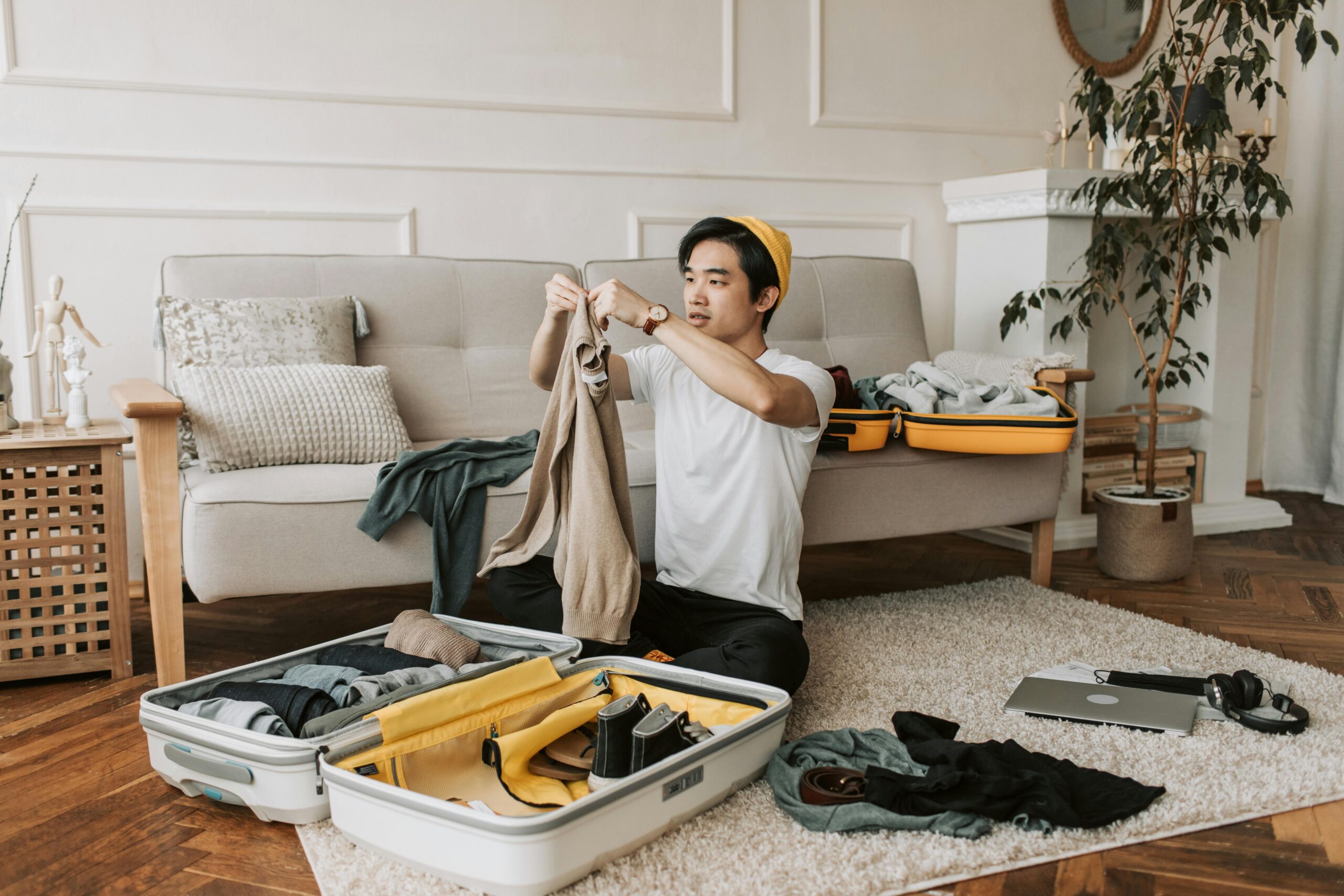
Packing lighter is another significant advantage. When you can refresh your wardrobe every few days, you need fewer clothes overall. This means smaller luggage, easier mobility, and avoiding checked baggage fees on flights.
🧴 Essential Supplies for Successful Sink Laundry
Before diving into the washing process, gathering the right supplies makes everything easier. You don’t need much, but having these items will significantly improve your results and make the process more efficient.
Travel-Sized Laundry Detergent Options
Regular liquid detergent works, but travel-specific options are more convenient. Laundry detergent sheets are lightweight, TSA-friendly, and dissolve completely in water. Each sheet typically handles one sink load, making portioning effortless.
Concentrated travel detergents come in small bottles and require only a few drops per wash. Brands like Dr. Bronner’s castile soap serve multiple purposes—body wash, shampoo, and laundry detergent—reducing what you need to pack.
Solid laundry bars are another excellent option. They last longer than liquids, won’t spill in your luggage, and work effectively in both hot and cold water. Simply rub the bar directly on stains or dissolve shavings in water.
Helpful Accessories to Pack
A universal sink stopper is invaluable since many hotel sinks have broken or missing plugs. These flat rubber stoppers work in virtually any drain and weigh almost nothing.
Portable clotheslines with built-in clips let you hang items anywhere—across the bathroom, between furniture, or on a balcony. Look for braided designs that grip clothes without separate clips.
Microfiber towels absorb significantly more water than regular towels, making them perfect for the roll-and-press drying technique we’ll discuss later.
🚿 The Step-by-Step Hotel Sink Laundry Process
Now let’s get into the actual washing process. Follow these steps for consistently clean, fresh-smelling clothes that dry relatively quickly.
Step 1: Preparation and Sorting
Start by sorting clothes by color and fabric type. Wash darks separately from lights to prevent color bleeding. Delicate fabrics like silk or wool need gentler handling than cotton or synthetic materials.
Check pockets for items and turn clothes inside out. This protects outer surfaces from abrasion and helps deodorant stains or body oils come out more easily. Button any buttons and zip zippers to maintain garment shape.
Pre-treat visible stains before washing. Apply a small amount of detergent directly to problem areas and gently rub the fabric together. Let it sit for a few minutes while you prepare the sink.
Step 2: Setting Up Your Washing Basin
Clean the sink thoroughly before using it for laundry. Hotel sinks harbor bacteria and residue from previous guests’ toiletries. Rinse it well with hot water and wipe down with toilet paper or a washcloth.
Insert your sink stopper and fill the basin with warm or cold water. Hot water isn’t necessary for most clothes and actually sets certain stains like blood or sweat. Fill the sink about two-thirds full, leaving room to add clothes and agitate them.
Add your detergent to the water and swish it around to create suds. Use less than you think you need—excess soap makes rinsing difficult and leaves residue that attracts dirt.
Step 3: Washing Your Clothes
Submerge your clothes in the soapy water and let them soak for 5-10 minutes. This loosens dirt and allows the detergent to penetrate fabric fibers effectively.
After soaking, agitate the clothes by pressing them up and down in the water, similar to using a plunger. Rub particularly dirty areas against themselves—collar against collar, armpit against armpit. This friction removes stubborn dirt and body oils.
Continue this process for 3-5 minutes per load. You’ll see the water become dirty, which is exactly what you want. Don’t overload the sink—washing fewer items at once produces better results.
Step 4: The Crucial Rinsing Phase
Drain the dirty water completely and refill the sink with clean, cool water. Rinse each garment thoroughly by squeezing and pressing it underwater. Proper rinsing is critical—leftover detergent makes clothes stiff and attracts dirt.
Repeat the rinse process at least twice, or until the water runs clear and you see no more soap bubbles when squeezing the fabric. Colored items may continue releasing some dye, which is normal.
For the final rinse, consider adding a small amount of hair conditioner—about a teaspoon. This acts as fabric softener, making clothes feel softer and reducing static cling.
Step 5: Removing Excess Water
Never wring or twist wet clothes aggressively. This damages fabric fibers, creates wrinkles, and stretches garments out of shape. Instead, gently squeeze water out by pressing the fabric between your hands.
The roll-and-press method is highly effective for removing maximum water. Lay a dry towel flat, place the wet garment on top, and roll them together tightly like a burrito. Step on the rolled towel or press down firmly with your hands, applying steady pressure.
Unroll the towel and remove your garment. It should now be damp rather than dripping wet, which dramatically reduces drying time. This technique can remove 50-70% of remaining moisture.
💨 Effective Drying Strategies for Hotel Rooms
Drying clothes in a hotel room presents unique challenges, especially in humid climates or during winter when heating systems reduce air circulation. These strategies ensure your clothes dry completely and smell fresh.
Maximizing Air Circulation
Hang clothes in areas with the best airflow. The bathroom with the exhaust fan running is ideal, as is near the air conditioning or heating vent. Space items apart so air can circulate around all surfaces.
If your room has a ceiling fan, position hangers on the curtain rod or door frames directly beneath it. The constant air movement significantly speeds drying time.
Open windows when weather permits, creating cross-ventilation by opening the bathroom door as well. Even in humid climates, moving air helps clothes dry faster than still air.
Strategic Hanging Techniques
Use hangers for shirts, dresses, and pants. Hang shirts unbuttoned so air reaches all surfaces. Drape pants over hangers at the knee or use clip-style hangers to hang them by the waistband.
Your portable clothesline can stretch across the shower, between towel bars, or from a curtain rod to a door handle. Distribute weight evenly to prevent the line from sagging.
Smaller items like underwear and socks can hang over the shower rod, towel racks, or even furniture edges. Just place a towel underneath to catch any drips initially.
Accelerating the Drying Process
Running the bathroom exhaust fan overnight or while you’re out exploring makes a tremendous difference. Some hotels have heated towel racks—these are perfect for drying smaller items like socks and underwear.
The hairdryer can serve as an emergency drying tool for items you need immediately. Use a low heat setting and keep the dryer moving to avoid damaging fabric. This works especially well for spot-drying damp areas on mostly-dry clothes.
Layering the towel-roll technique helps too. After the first towel becomes damp, switch to a dry one and repeat the rolling process. This can cut drying time in half.
👕 Fabric-Specific Washing Tips
Different fabrics require different approaches. Understanding these nuances helps you avoid damaging your clothes and achieve the best cleaning results.
Cotton and Cotton Blends
Cotton is the most forgiving fabric for sink washing. It tolerates warm water and vigorous agitation. However, cotton holds a lot of water, so use the towel-roll method twice for faster drying.
Cotton wrinkles easily when hung wet. Smooth garments with your hands while damp, pulling seams straight and flattening collars. This reduces ironing needs later.
Synthetic Fabrics and Athletic Wear
Polyester, nylon, and performance fabrics are perfect for travel. They dry incredibly fast, resist wrinkles, and clean easily in cold water. These materials often wick moisture away from skin during wear, but this same property means they retain body oils and odors.
Add a splash of white vinegar to the rinse water for synthetic athletic wear. Vinegar neutralizes odors without damaging technical fabrics. Never use fabric softener on performance wear—it clogs the moisture-wicking properties.
Wool and Delicate Items
Merino wool is a travel favorite because it naturally resists odors and can be worn multiple times between washes. When washing wool, use cool water only and handle gently without agitation.
Never hang wool items to dry—they’ll stretch. Instead, lay them flat on a towel, reshape them to original dimensions, and allow them to air dry. Roll in a towel first to remove excess moisture.
Silk and other delicates need similarly gentle treatment. Use cool water, minimal agitation, and lay flat or hang to dry away from direct sunlight.
🎯 Common Mistakes to Avoid
Even experienced travelers make sink laundry mistakes. Avoid these common pitfalls to ensure consistently good results.
Using Too Much Detergent
More soap doesn’t mean cleaner clothes. Excess detergent is difficult to rinse out completely and leaves residue that makes fabric stiff and attracts dirt faster. Start with less than recommended and increase only if needed.
Rushing the Drying Process
Packing damp clothes leads to mildew smells and potential mold growth. If you must pack before clothes are completely dry, seal them in a plastic bag separately from dry items and unpack them to finish drying at your next destination as soon as possible.
Washing Too Many Items at Once
Overloading the sink prevents proper cleaning. Clothes need room to move through the water and make contact with the sink surface. Wash in smaller batches for better results, even if it takes slightly longer.
Ignoring Hotel Policies
Some hotels explicitly prohibit washing clothes in rooms due to potential water damage. Respect these policies. If you cause damage, you could face significant cleaning fees. Use the shower instead of the sink if you’re concerned about overflow.
🌍 Adapting Techniques for Different Travel Situations
Your sink laundry approach might need adjustments based on your travel circumstances, destination climate, and accommodation type.
Hot and Humid Climates
Clothes dry more slowly in tropical destinations. Wash smaller loads more frequently rather than accumulating large batches. The towel-roll technique becomes essential here. Consider washing clothes midday so they have maximum drying time before evening humidity increases.
Cold Weather Destinations
Hotels in cold climates typically have good heating, which actually helps clothes dry. Hang items near radiators or heating vents, but not directly on them as excessive heat can damage fabric. The dry indoor air works in your favor.
Budget Accommodations and Hostels
Hostel sinks may be less private, but communal laundry areas often have better drying facilities. Many hostels provide drying rooms or outdoor lines. Time your washing for off-peak hours to have better access to facilities.
Long-Term Travel and Digital Nomad Life
If you’re traveling for months, establish a weekly washing routine. Many digital nomads dedicate Sunday evenings to laundry, washing clothes while catching up on admin tasks. This prevents accumulation and ensures you always have clean options.
✨ Pro Tips for Sink Laundry Success
These advanced tips come from experienced travelers who’ve perfected the art of sink laundry over countless trips.
Pack clothes that play well together. A capsule wardrobe of coordinating pieces in similar colors means fewer items to wash and reduced color-bleeding concerns. Stick to neutrals and add one or two accent colors.
Bring one dark-colored microfiber towel specifically for the roll-and-press technique. Don’t use hotel towels for this purpose, as you’ll leave them soaking wet and potentially face extra cleaning charges.
Test new detergents at home before traveling. Some formulas work better in cold water or rinse more easily than others. Find your preferred product before you’re dealing with dirty clothes in an unfamiliar location.
Wear clothes multiple times when appropriate. Jeans, jackets, and sweaters don’t need washing after every wear. Underwear, socks, and workout clothes do. This reduces your washing frequency significantly.
Consider your destination’s water quality. Hard water makes it difficult to create suds and rinse detergent completely. If you encounter this, use slightly less detergent and rinse extra thoroughly.
🧼 Eco-Friendly Hotel Sink Laundry Practices
Sustainable travel extends to how you wash your clothes. These practices minimize environmental impact while maintaining effective cleaning.
Choose biodegradable, eco-friendly detergents. Many travel laundry products now use plant-based ingredients that won’t harm water systems. This is especially important in areas with sensitive ecosystems or limited wastewater treatment.
Minimize water usage by washing efficiently. Don’t let water run unnecessarily, and reuse the final rinse water for pre-soaking the next load if you’re washing multiple batches.
Cold water washing is better for the environment and your clothes. Most modern detergents work effectively in cold water, which saves energy that would otherwise heat water.
Air drying is inherently eco-friendly compared to electric dryers. You’re already doing this by necessity in hotels, but it’s worth noting the positive environmental impact of your sink laundry routine.
🌟 Making Sink Laundry Part of Your Travel Routine
The key to successful hotel sink laundry is making it a consistent habit rather than a dreaded chore. Integrate washing into your evening routine—perhaps while relaxing after dinner or before showering.
Many travelers find the process meditative and satisfying. There’s something grounding about this simple, practical task when you’re constantly moving between locations. It connects you to traditional practices and creates moments of slowness in otherwise hectic travel schedules.
As you gain experience, the process becomes faster and more intuitive. What initially took 30-40 minutes eventually reduces to 15-20 minutes of active time, plus drying overnight. You’ll develop your own preferences for techniques and products that work best for your travel style.
Mastering hotel sink laundry transforms your travel experience. You’ll pack lighter, spend less money, and enjoy the freedom of always having fresh clothes ready for whatever adventures await. This simple skill empowers you to travel longer, more comfortably, and more sustainably, regardless of your destination or budget. 🧳✨