Every day, we unknowingly transport millions of germs into our homes through shoes and dirty clothes. These invisible hitchhikers can pose serious health risks to our families.

Understanding how cross-contamination occurs and implementing effective prevention strategies can dramatically reduce your household’s exposure to harmful bacteria, viruses, and pathogens. From the bottom of your shoes to the fabric of your work clothes, these items collect microorganisms from every surface they touch throughout the day. The good news is that with simple, practical habits, you can create a cleaner, healthier living environment for everyone under your roof.
🦠 The Hidden Danger: How Shoes Become Germ Carriers
Your shoes are constantly in contact with some of the dirtiest surfaces imaginable. Public restrooms, city sidewalks, parking lots, and office floors harbor countless microorganisms that eagerly attach themselves to shoe soles. Research has shown that the average shoe sole carries over 420,000 bacteria, including potentially harmful strains like E. coli and Staphylococcus aureus.
When you walk through your home with outdoor shoes, you’re essentially creating a pathway of contamination. These pathogens can survive on indoor surfaces for days or even weeks, depending on the conditions. Children playing on the floor, pets moving around the house, and even regular foot traffic can spread these germs throughout your living spaces.
The risk becomes particularly concerning when shoes come into contact with food preparation areas, bedrooms, or spaces where young children play. Bacteria from fecal matter, pesticides from lawns, and chemicals from roads all make their way indoors on the bottom of our footwear, creating an invisible but very real health hazard.
👕 Dirty Clothes: The Overlooked Source of Indoor Contamination
While shoes often get attention for bringing germs inside, dirty clothes are equally problematic. Work uniforms, gym clothes, and everyday wear accumulate sweat, skin cells, and environmental bacteria throughout the day. When these items are tossed onto beds, chairs, or bathroom floors, they transfer contaminants to clean surfaces.
Clothing worn in healthcare settings, schools, or public transportation poses particularly high risks. These environments expose fabric to elevated levels of pathogens, including antibiotic-resistant bacteria. A single contaminated garment can introduce these microorganisms into your home’s ecosystem, where they can multiply and spread.
The problem intensifies when dirty clothes are mixed with clean laundry or stored improperly. Cross-contamination can occur in laundry baskets, washing machines, and even closets if proper separation isn’t maintained. Understanding these risks is the first step toward developing better household hygiene practices.
🚪 Creating an Effective Entryway Defense System
Your home’s entryway should function as a decontamination zone, preventing outdoor germs from spreading throughout your living spaces. Designating a specific area for shoe removal and storage creates a clear boundary between the outside world and your clean indoor environment.
Invest in a quality shoe rack or cabinet placed immediately inside or outside your main entrance. This physical structure serves as a visual reminder to remove shoes and provides organized storage that keeps contaminated footwear contained. Consider placing a bench nearby to make the shoe removal process more comfortable and convenient for family members and guests.
Essential Entryway Components
- Durable doormat for initial dirt removal before entering
- Designated shoe storage system with separate compartments
- Hand sanitizer station for immediate germ elimination
- Basket or bin for items needing disinfection
- Indoor slippers or house shoes for each family member
- Small trash bin for disposing of contaminated items
Training household members to consistently use these systems requires patience and gentle reminders. Make the process easier by providing comfortable house slippers that people actually want to wear. Children respond well to having their own special indoor shoes with fun designs or their favorite characters.
🧼 Proper Shoe Hygiene and Maintenance Protocols
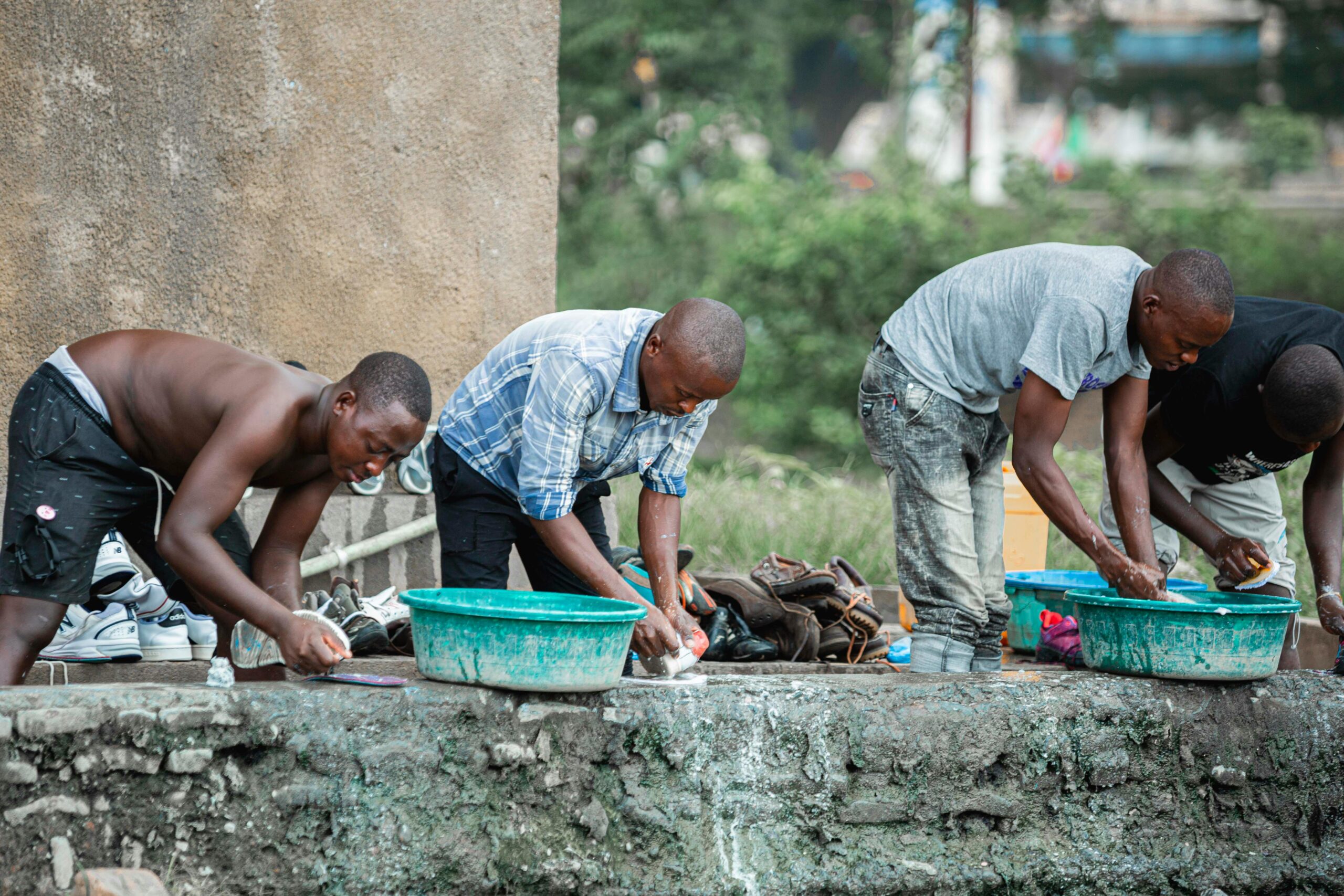
Beyond removing shoes at the door, regular cleaning and maintenance dramatically reduce the germ load they carry. Establish a weekly routine for shoe disinfection, especially for footwear worn in high-risk environments like hospitals, schools, or construction sites.
For washable shoes, machine washing with hot water and detergent effectively eliminates most pathogens. Non-washable footwear requires different approaches. Use disinfectant sprays specifically formulated for shoes, or create a solution of water and white vinegar to wipe down soles and surfaces.
Step-by-Step Shoe Cleaning Process
Start by removing loose dirt outdoors using a brush or old cloth. This prevents bringing excessive debris into your cleaning area. Next, apply your chosen disinfectant to all shoe surfaces, paying special attention to soles, treads, and any grooves where dirt accumulates.
Allow the disinfectant to sit for the recommended contact time—usually 5-10 minutes—to ensure proper germ elimination. Wipe clean with a damp cloth and allow shoes to dry completely in a well-ventilated area before storing or wearing again. UV shoe sanitizers offer an additional layer of protection by using ultraviolet light to kill bacteria and eliminate odors.
👔 Managing Contaminated Clothing Without Spreading Germs
Developing a system for handling potentially contaminated clothing prevents these items from introducing pathogens throughout your home. The key is containment and immediate processing rather than allowing dirty clothes to sit or spread.
Create designated changing areas near your entryway for removing work clothes or shoes before moving deeper into your home. Healthcare workers, restaurant employees, and others in high-exposure jobs should change out of work clothes immediately upon arriving home, ideally before touching furniture or family members.
Contaminated Clothing Handling Guidelines
| Item Type | Handling Method | Washing Requirements |
|---|---|---|
| Medical uniforms | Remove at entryway, place directly in sealed hamper | Hot water (160°F), bleach if possible, separate wash cycle |
| Gym clothes | Store in ventilated bag, wash within 24 hours | Hot water, sports detergent, vinegar rinse |
| Children’s school clothes | Change immediately after school, inspect for visible soiling | Warm water, regular detergent, weekly schedule |
| Public-facing work attire | Brush off outdoors, store separately from personal clothes | Hot water recommended, regular washing schedule |
Use separate hampers for contaminated items and regular laundry. Closed hampers with lids prevent airborne contamination and contain odors. Washable hamper liners add another layer of hygiene by allowing you to clean the container itself regularly.
🧺 Laundry Best Practices for Maximum Germ Elimination
Your washing machine is a critical tool in the fight against cross-contamination, but only when used correctly. Many people unknowingly practice habits that reduce washing effectiveness or actually spread germs rather than eliminating them.
Water temperature plays a crucial role in pathogen destruction. While cold water washing saves energy, hot water (at least 140°F) is significantly more effective at killing bacteria and viruses. For heavily contaminated items, the hottest water safe for the fabric should always be used.
Avoid overloading your washing machine, as this prevents proper agitation and reduces cleaning effectiveness. Clothes need room to move freely through the water and detergent solution. As a general rule, fill the machine only three-quarters full for optimal cleaning results.
Detergent and Additives for Enhanced Disinfection
Standard laundry detergent cleans fabric but doesn’t necessarily kill all pathogens. Adding disinfectant additives like chlorine bleach (for whites) or oxygen bleach (for colors) significantly improves germ elimination. Pine oil disinfectants and phenolic disinfectants also work well in laundry applications.
White vinegar serves as a natural disinfectant and deodorizer when added to the rinse cycle. It’s particularly effective against mold, mildew, and bacteria while being gentle on fabrics. Use one cup per load for maximum benefit without damaging clothes or washing machine components.
Drying clothes on high heat for at least 45 minutes provides additional sanitization. The combination of heat and tumbling action eliminates pathogens that might survive washing. For items that can’t be heat dried, hanging in direct sunlight offers natural UV disinfection.
🏠 Zone-Based Contamination Prevention Strategy
Thinking about your home in terms of contamination zones helps create logical barriers against germ spread. This approach divides your living space into categories based on cleanliness requirements and potential exposure risks.
High-risk zones include entryways, mudrooms, laundry areas, and bathrooms—spaces where contaminated items are handled or stored. These areas require the most frequent cleaning and the strictest hygiene protocols. Medium-risk zones encompass living rooms, hallways, and dining areas where some contamination exposure occurs but at lower levels.
Low-risk zones should include bedrooms, nurseries, and food preparation areas. These spaces deserve the highest protection from cross-contamination. Implementing rules like “no shoes beyond the entryway” and “no dirty clothes in bedrooms” creates effective boundaries that keep these areas cleaner.
Practical Zone Management Tips
- Use different cleaning tools for each zone to prevent cross-contamination
- Establish clear physical boundaries with doormats, rugs, or floor transitions
- Place hand sanitizer stations at zone boundaries
- Schedule zone-specific cleaning routines based on contamination risk levels
- Educate family members about zone rules and the reasoning behind them
- Use color-coded storage systems to keep zone-specific items separated
👶 Special Considerations for Homes with Children and Pets
Families with young children or pets face elevated cross-contamination risks because these household members spend significant time on floors and frequently put hands, paws, and objects in their mouths. Extra vigilance and additional protective measures become necessary in these situations.
Create designated play areas with washable mats or rugs that can be regularly cleaned or sanitized. Keep these spaces completely shoe-free and establish rules about not bringing outdoor items into play zones. Regularly disinfect toys, especially those that go in mouths or are dropped on floors.
Pets present unique challenges because they can’t wear shoes or understand contamination concepts. Wipe your pet’s paws with pet-safe cleaning wipes after outdoor walks or bathroom breaks. Designate specific pet areas for feeding, sleeping, and play, and clean these zones frequently with pet-safe disinfectants.
🧹 Deep Cleaning Schedules and Maintenance Routines
Preventing cross-contamination requires consistent effort rather than sporadic deep cleaning marathons. Establishing regular maintenance routines keeps germ levels manageable and reduces the workload of any single cleaning session.
Daily tasks should include wiping down high-touch surfaces, sweeping or vacuuming entryways, and handling laundry promptly. Weekly responsibilities encompass mopping floors with disinfectant, cleaning shoe storage areas, and washing bath mats and towels. Monthly deep cleaning addresses baseboards, walls near entryways, and thorough sanitization of laundry areas.
Effective Cleaning Product Selection
Not all cleaning products effectively eliminate pathogens. Look for EPA-registered disinfectants that specifically list the types of bacteria and viruses they kill on their labels. Products claiming to kill 99.9% of germs must meet specific testing standards to make these claims legally.
Natural cleaning alternatives like vinegar, hydrogen peroxide, and tea tree oil offer safer options for households concerned about chemical exposure. While generally less potent than commercial disinfectants, these substances still provide meaningful germ reduction when used correctly and consistently.
💡 Technology and Tools That Make Prevention Easier
Modern technology offers innovative solutions for reducing cross-contamination risks. UV-C sanitizing devices for shoes, phones, and small items use ultraviolet light to destroy pathogens without chemicals or moisture. These devices are particularly useful for items that can’t be washed or wiped down easily.
HEPA air purifiers reduce airborne contamination by filtering out particles that might carry bacteria or viruses. Placing these devices near entryways or in laundry areas helps capture pathogens before they spread throughout your home. Antimicrobial doormats feature copper or silver-infused materials that actively kill germs on contact.
Smart home systems can support contamination prevention through automated reminders for cleaning tasks, air quality monitoring, and scheduled sanitization cycles for various devices. Setting up these systems creates consistency in your prevention efforts without requiring constant mental energy to remember every task.
🎯 Building Long-Term Habits for Sustainable Germ Prevention
The most effective contamination prevention system is one that becomes automatic through habit formation. Start by implementing one or two changes at a time rather than attempting a complete household overhaul overnight. This gradual approach increases the likelihood of lasting behavior change.
Visual cues help reinforce new habits. Place signs near entryways reminding family members about shoe removal. Use bright, attractive storage containers for clean house slippers that catch attention and encourage use. Make hand sanitizer stations visible and easily accessible rather than hiding them in drawers.
Involve the entire household in creating and maintaining contamination prevention systems. Children who understand why these practices matter are more likely to follow them consistently. Hold family meetings to discuss hygiene goals, celebrate successes, and problem-solve challenges together.
Track your progress through simple methods like weekly checklists or phone reminders. Seeing consistent completion of prevention tasks provides motivation and reveals patterns in when you’re most likely to skip important steps. Adjust your systems based on what actually works for your household rather than striving for theoretical perfection.
🌟 Creating Your Personalized Prevention Plan
Every household faces unique contamination risks based on family members’ occupations, lifestyle habits, local environment, and living space configuration. Developing a personalized plan that addresses your specific situation yields better results than following generic advice.
Assess your current practices honestly by tracking where shoes and dirty clothes go in your home for one week. Note where contamination most likely occurs and which family members struggle most with existing systems. This information reveals where to focus your improvement efforts for maximum impact.
Consider your household’s realistic capacity for change and maintenance. A complex system requiring extensive daily effort might work temporarily but often fails long-term. Simpler systems with fewer components typically prove more sustainable, even if they’re slightly less thorough in theoretical terms.
Remember that progress matters more than perfection. Removing shoes 80% of the time still dramatically reduces germ transmission compared to never removing them. Washing contaminated clothes promptly most days still provides significant benefits. Celebrate improvements rather than fixating on occasional lapses, and continuously refine your approach based on what works best for your unique situation.
Protecting your home from cross-contamination through shoes and dirty clothes requires awareness, intention, and consistent action. By implementing these strategies thoughtfully and adapting them to your household’s needs, you create a healthier environment where germs are stopped at the door rather than welcomed throughout your living spaces. The investment of time and attention pays dividends in reduced illness, cleaner surfaces, and peace of mind knowing you’re actively protecting your family’s health every single day.