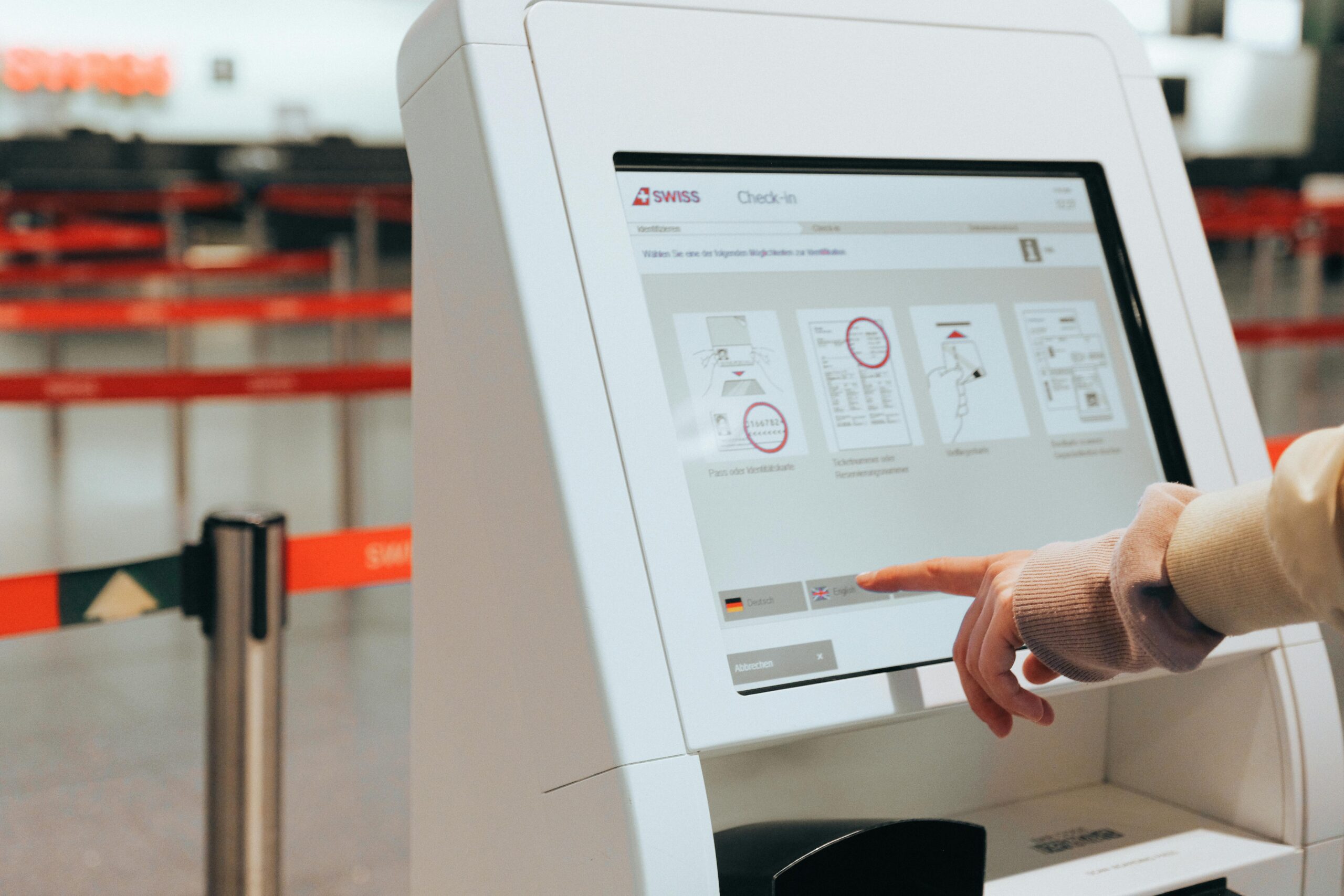
Traveling the world is exhilarating, but arriving at your destination only to find your devices won’t charge can quickly turn excitement into frustration. Understanding power adapters and voltage differences is essential for any modern traveler who wants to stay connected, powered up, and productive across borders.

Whether you’re a digital nomad working remotely from Bali, a business traveler attending conferences in Frankfurt, or a backpacker exploring Southeast Asia, the right adapter can mean the difference between seamless connectivity and scrambling to find a charging solution. This comprehensive guide will walk you through everything you need to know about choosing, using, and troubleshooting travel adapters for every region on Earth.
🌍 Understanding the Global Patchwork of Power Standards
The world operates on a fascinating yet frustrating array of electrical standards. This diversity stems from each country’s independent development of electrical infrastructure during the late 19th and early 20th centuries, long before international standardization became a priority.
Currently, there are approximately 15 different types of electrical outlet configurations worldwide, designated by letters A through O. The voltage typically ranges between 110-127V or 220-240V, with frequencies of either 50Hz or 60Hz. This variation isn’t just inconvenient—it reflects fundamental differences in how electrical systems were designed and implemented across different regions.
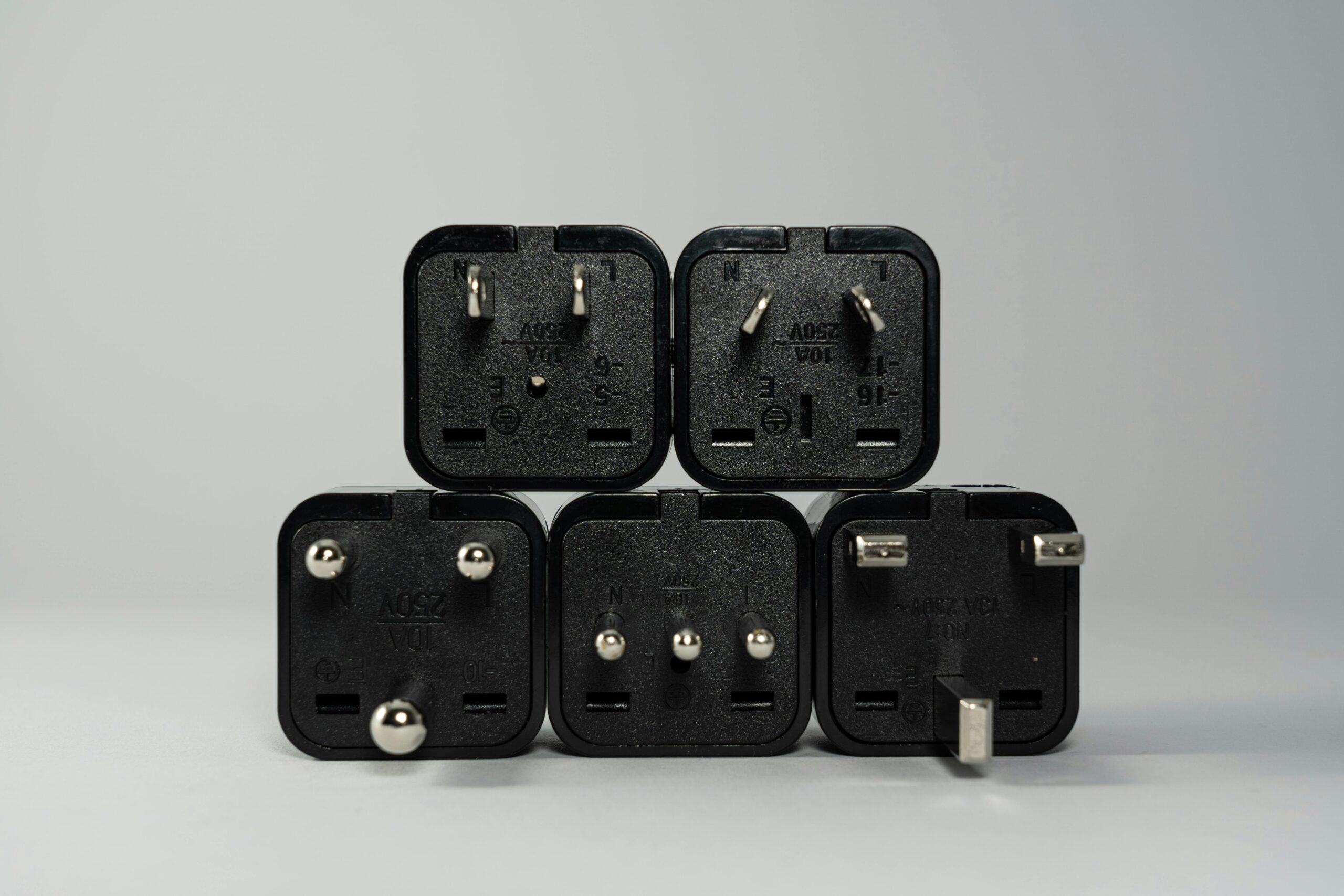
North America predominantly uses Type A and B plugs with 120V electricity, while most of Europe operates on Type C, E, and F plugs with 230V. The United Kingdom has its distinctive Type G plug with three rectangular prongs, and countries like India, South Africa, and Australia each have their own unique configurations.
⚡ Voltage vs. Plug Type: What’s the Difference?
Many travelers confuse plug adapters with voltage converters, but these serve entirely different purposes. A plug adapter simply allows your device’s plug to physically fit into a foreign outlet—it doesn’t change the electrical voltage or frequency.
A voltage converter or transformer, on the other hand, actually converts the electrical current from one voltage to another. If you’re traveling from the United States (120V) to Europe (230V) with a device that isn’t dual-voltage, you’ll need both an adapter and a converter.
Fortunately, most modern electronics—smartphones, laptops, tablets, camera batteries, and many personal care items—are dual-voltage, meaning they can handle input from 100-240V. Always check the fine print on your device’s charger or power brick. If it says “INPUT: 100-240V,” you only need a plug adapter, not a voltage converter.
🔌 Types of Travel Adapters: Finding Your Perfect Match
The adapter market offers several options, each with distinct advantages depending on your travel style, destinations, and budget.
Individual Regional Adapters
These single-purpose adapters are designed for specific plug types. They’re compact, affordable, and reliable. If you’re traveling to one destination or region consistently, individual adapters make sense. For example, if you frequently visit the UK for business, a dedicated Type G adapter is simple and foolproof.
The downside is that you’ll need multiple adapters if traveling to diverse regions. However, for focused travel patterns, they offer the most streamlined solution without unnecessary bulk or complexity.
Universal Travel Adapters
Universal adapters feature multiple retractable or sliding prongs that adjust to fit various outlet types worldwide. Many models cover over 150 countries with a single device, making them ideal for multi-country trips or frequent international travelers.
Modern universal adapters often include additional features like USB ports, USB-C charging, and even wireless charging pads. Some premium models offer fast-charging capabilities and can power multiple devices simultaneously—essential for travelers carrying smartphones, tablets, laptops, and other gadgets.
Adapter Sets and Kits
These include multiple individual adapters packaged together, typically covering the most common plug types worldwide. They offer redundancy (if you lose one, you have backups) and allow multiple travelers to share adapters within a group.
Adapter kits are particularly useful for families or travel groups where several people need to charge devices in different rooms or locations simultaneously.
📱 Smart Features Worth Considering
Today’s travel adapters have evolved far beyond simple plug converters. Modern models incorporate technology that enhances safety, convenience, and charging speed.
USB and USB-C Ports
Integrated USB ports eliminate the need to carry multiple charging blocks. Look for adapters with at least two USB-A ports and one USB-C port with Power Delivery (PD) support. PD technology can charge compatible devices like laptops and tablets much faster than standard USB.
Some premium adapters offer 65W or even 100W USB-C PD output, sufficient to charge demanding devices like MacBook Pros or gaming laptops directly through the adapter without needing the original power brick.
Surge Protection and Fuses
Electrical spikes and power surges are more common in developing countries with less stable electrical grids. Quality adapters include built-in surge protection and replaceable fuses to protect your valuable electronics from damage.
This feature becomes especially important when charging expensive devices like laptops, cameras, or medical equipment. The small additional cost for surge protection can save you from costly replacements.
Smart Charging Technology
Intelligent charging chips detect connected devices and deliver optimal charging current automatically. This prevents overcharging, reduces heat generation, and extends battery lifespan for your devices.
🗺️ Regional Breakdown: What You’ll Need Where
Understanding which adapters you need for specific regions helps you pack appropriately and avoid last-minute shopping at inflated airport prices.
Europe (Continental)
Most of Europe uses Type C (two round pins) and Type E/F (two round pins with grounding). Type C works in most European outlets, though some countries have additional grounding requirements that Type E or F addresses. Countries included: France, Germany, Spain, Italy, Netherlands, Greece, and most of Eastern Europe.
United Kingdom and Ireland
Type G plugs feature three rectangular prongs in a triangular pattern. This distinctive design includes a built-in fuse for safety. The same plug type is also used in Malta, Cyprus, and many former British colonies including Malaysia, Singapore, and Hong Kong.
North America
The United States, Canada, Mexico, and Central American countries use Type A (two flat parallel pins) and Type B (two flat pins plus a grounding pin). Voltage is typically 120V, lower than most other regions.
Asia-Pacific
This region shows the most diversity. Japan uses Type A/B at 100V (the lowest voltage globally). China uses Type A, C, and I. Australia and New Zealand use Type I (two flat pins in a V-shape plus grounding). Thailand accepts Types A, B, C, and O. India uses Types C, D, and M.
For Asia-Pacific travel, a universal adapter is almost essential unless you’re visiting only one country.
Middle East and Africa
Type C and Type G are common throughout this region, though there’s significant variation. South Africa uses a unique Type M plug (similar to Type D but larger). Israel has its own Type H standard. Always research specific countries before traveling to this diverse region.
South America
Type C is prevalent across South America, though Type A/B also appears, especially in countries with strong US connections. Brazil is unique with its Type N plug, though many outlets accept Type C as well. Argentina uses Type C and the distinctive Type I.
💡 Voltage Converters: When You Actually Need Them
While most modern electronics are dual-voltage, certain devices still require voltage conversion. Hair dryers, straightening irons, and some small appliances often operate only at specific voltages.
Check the label carefully. If it says only “120V” or only “230V” (not a range), you’ll need a converter. However, consider whether it’s worth the hassle—voltage converters add weight and bulk, and many travelers find it easier to purchase inexpensive dual-voltage alternatives or simply use local appliances at their destination.
For high-wattage devices like hair dryers (typically 1500-2000 watts), you need a heavy-duty transformer, not a simple converter. These can weigh several pounds and cost significantly more than buying a dual-voltage hair dryer designed for travel.
🎒 Packing Smart: How Many Adapters Do You Really Need?
The right number of adapters depends on your devices, travel companions, and destination variety. A solo traveler visiting one region might manage with a single universal adapter, while a family traveling through multiple countries needs more capacity.
Consider your charging needs realistically. If you typically charge a smartphone, tablet, laptop, smartwatch, and camera battery, that’s five devices. A universal adapter with three USB ports and one main outlet might handle four simultaneously, but you’ll need to charge in shifts or bring a second adapter.
Many experienced travelers carry one universal adapter as their primary solution plus one region-specific adapter as a lightweight backup. This redundancy protects against loss, damage, or situations where you need to charge in multiple locations simultaneously.
🛡️ Safety First: Avoiding Common Adapter Mistakes
Travel adapters seem simple, but misuse can damage your devices or create safety hazards. Avoid these common mistakes for worry-free charging abroad.
Never daisy-chain adapters by plugging one adapter into another. This creates loose connections, increases resistance, and poses fire risks. If your plug doesn’t fit, you need a different adapter, not multiple adapters stacked together.
Don’t overload universal adapters by plugging in multiple high-wattage devices simultaneously. Check the adapter’s maximum wattage rating (typically 880W to 2000W) and ensure your combined device load stays well below this limit.
Avoid using damaged adapters with cracked casings, bent prongs, or loose connections. These can cause short circuits, electrical shocks, or fires. Quality adapters are affordable enough that replacement is always preferable to risking your safety or devices.
Be cautious with counterfeit adapters from unknown brands. These often lack proper safety certifications, use substandard materials, and may not include essential protections like fuses or surge suppression. Stick with recognized brands and purchase from reputable retailers.
🌟 Top Features to Prioritize When Shopping
Not all adapters are created equal. When selecting your travel companion, prioritize these features based on your specific needs.
Build quality matters significantly. Look for adapters with solid construction, firm connections, and high-quality materials. Loose-fitting prongs or wobbly connections indicate poor manufacturing that could damage outlets or create safety issues.
Certification is crucial for safety. Look for CE, FCC, RoHS, or equivalent safety certifications from recognized testing organizations. These ensure the adapter meets minimum safety and electromagnetic compatibility standards.
Compact size enhances portability, but not at the expense of functionality. The smallest adapters often sacrifice features or durability. Find the balance between portability and capability that matches your travel style.
Port variety and charging speed determine how effectively you can power your device ecosystem. At minimum, look for at least two USB-A ports and one USB-C port with Power Delivery support for future compatibility.
Warranty and customer support indicate manufacturer confidence in their product. Reputable brands typically offer at least a one-year warranty and responsive customer service for troubleshooting or replacements.
🔋 Beyond Adapters: Complete Power Solutions for Travelers
Smart travelers complement their adapters with additional power accessories for complete charging independence.
Portable power banks eliminate anxiety about finding outlets during long travel days. Choose capacity based on your needs—10,000mAh charges most smartphones twice, while 20,000mAh or larger handles tablets and multiple devices. Ensure your power bank is airline-approved (typically under 100Wh or about 27,000mAh).
Multi-port USB charging hubs pair perfectly with a single universal adapter, creating a charging station in your hotel room. These allow simultaneous charging of numerous devices from one outlet—ideal for families or tech-heavy travelers.
Solar chargers provide backup power in remote areas or during outdoor adventures. While not suitable as primary charging solutions due to weather dependence and slow charging speeds, they offer peace of mind for extended trips off the grid.
Cable organizers prevent the tangled mess of charging cables that accumulates during travel. Simple cable wraps, pouches, or tech organizers keep everything accessible and protect cables from damage.
🛫 Airport and Hotel Considerations
Airports increasingly offer diverse charging options including standard outlets, USB ports, and wireless charging pads. However, availability varies significantly by airport and even by terminal. Always carry your adapter rather than depending on airport infrastructure.
Many modern hotels now include USB charging ports in rooms, but outlet configurations remain traditional. Don’t assume your hotel will provide adapters—while some upscale properties offer them on request, availability isn’t guaranteed, especially during peak seasons.
Co-working spaces and cafes in major cities often cater to digital nomads with ample outlets and charging options. Research popular work-friendly venues in advance for reliable charging access during long working sessions.
💰 Budget vs. Premium: Finding Your Price Point
Travel adapters range from budget options under $10 to premium models exceeding $50. Understanding what you get at different price points helps you make informed decisions.
Budget adapters (under $15) typically offer basic plug conversion without extras. They work fine for short trips or travelers with minimal devices, but often lack USB ports, surge protection, and durability for frequent use.
Mid-range adapters ($15-30) represent the sweet spot for most travelers. These usually include USB charging ports, basic surge protection, universal compatibility, and adequate build quality for regular international travel.
Premium adapters ($30-60) justify their cost with superior build quality, advanced features like high-wattage USB-C PD, smart charging technology, replaceable fuses, comprehensive surge protection, and warranties. For frequent travelers or those carrying expensive electronics, the extra investment provides valuable peace of mind.
🌐 Digital Nomad Essentials: Working Remotely Worldwide
Remote workers face unique challenges maintaining productivity across borders. Reliable power access becomes mission-critical when your livelihood depends on staying connected.
Invest in redundancy for essential equipment. Carry backup adapters, extra charging cables, and a substantial power bank. If one adapter fails or gets lost, you can’t afford productivity interruptions.
Consider laptop charging carefully. Many universal adapters can’t handle laptop power requirements through their main outlet while simultaneously charging via USB. Ensure your adapter’s wattage rating exceeds your laptop charger’s requirements, or carry a dedicated laptop adapter separately.
Research electrical reliability at your destination. Some regions experience frequent power fluctuations or outages. In these locations, surge protection becomes essential, and keeping devices fully charged maximizes your window to work during outages.
🔍 Troubleshooting Common Adapter Issues
Even quality adapters occasionally present problems. Understanding common issues and solutions prevents frustration.
If your adapter fits loosely in outlets, try different outlets first—some older outlets simply have worn springs. If the issue persists across multiple outlets, the adapter prongs may be bent or worn. Gently adjust prongs back to proper alignment or replace the adapter.
Slow charging despite using USB ports often indicates too many devices charging simultaneously, dividing available current between them. Charge high-priority devices first or reduce the number of simultaneous connections.
Devices not charging at all could indicate a blown fuse (if your adapter has one), an incompatible voltage (check if you need a converter), or a faulty adapter. Test with different devices to isolate the problem.
Overheating adapters should be unplugged immediately. This indicates overload, poor connections, or defective components. Reduce connected devices or replace the adapter entirely.
🎁 The Adapter Investment That Keeps on Giving
Quality travel adapters aren’t expenses—they’re investments in stress-free travel that pay dividends across countless trips. A reliable adapter costing $30-40 serves you for years across dozens of countries, costing mere pennies per use.
Contrast this with the alternatives: purchasing emergency adapters at inflated airport prices, missing important communications because devices died, damaging expensive electronics through improper charging, or wasting vacation time searching for charging solutions.
The perfect adapter disappears into your travel routine, working reliably without demanding attention. It charges your devices overnight so you wake to full batteries, powers your laptop during productive work sessions, and ensures your camera is ready for unexpected photo opportunities.
By understanding plug types, voltage requirements, regional differences, and quality indicators, you can select adapters that match your travel patterns perfectly. Whether you’re a occasional vacationer or a perpetual traveler, the right adapter transforms international power challenges from frustrating obstacles into non-issues, letting you focus on what really matters—experiencing the world and staying connected to the people and purposes that matter most. 🌍⚡