Traveling can be stressful, but smart packing transforms your journey into a seamless adventure. Your personal item is more than just a bag—it’s your command center for everything you’ll need during your flight or trip.

Whether you’re a frequent flyer or an occasional traveler, mastering the art of packing your personal item can make the difference between a chaotic trip and a comfortable journey. The key lies in strategic organization, thoughtful selection, and quick-access placement of your essentials. When you optimize your personal item, you eliminate the frustrating moments of digging through layers of belongings while passengers wait impatiently behind you in the aisle.
🎒 Understanding Your Personal Item Potential
Before diving into specific packing hacks, it’s crucial to understand what qualifies as a personal item and how to maximize its potential. Most airlines allow one personal item in addition to your carry-on bag, typically measuring around 18 x 14 x 8 inches. This could be a backpack, purse, laptop bag, or small duffel.
The beauty of a personal item is its accessibility. Unlike your overhead carry-on, your personal item stays with you throughout the flight, tucked under the seat in front of you. This prime real estate should house everything you might need during your journey without requiring you to stand up or disturb fellow passengers.
Strategic Layering: The Foundation of Smart Packing
Think of your personal item as having three distinct zones: the quick-access zone, the mid-journey zone, and the deep storage zone. This layering system ensures you can retrieve any item without unpacking your entire bag.
The Quick-Access Zone 🚀
The front pockets and top compartments of your bag should contain items you’ll need within seconds. These include your boarding pass, passport, phone charger, earbuds, and hand sanitizer. During security checks and boarding, you’ll appreciate having these essentials immediately available.
Consider using a small pouch or clear zippered bag for your documents. This creates a grab-and-go solution that speeds up every checkpoint. Many travelers waste precious minutes searching for their ID or boarding pass—don’t be one of them.
The Mid-Journey Zone
The main compartment’s upper half should house items you’ll access once or twice during your flight. This includes snacks, a book or e-reader, face masks, tissues, lip balm, and entertainment devices. These items need to be accessible but not necessarily within immediate reach.
The Deep Storage Zone
The bottom of your bag is perfect for items you probably won’t need during transit but want available at your destination. This might include a change of clothes, extra shoes, toiletries in a sealed bag, or documents for your arrival.
Essential Tech Organization Hacks 📱
Technology has become inseparable from modern travel, making tech organization critical for convenience. A dedicated tech pouch keeps all your cables, chargers, and adapters tangle-free and easy to locate.
Pack your charging cables in a way that they’re already unraveled and ready to use. Roll each cable individually and secure it with a small velcro strap or binder clip. Label cables with washi tape if you carry multiple similar-looking cords.
Your portable battery pack should always be charged and placed in an easily accessible pocket. Airlines require battery packs to remain in the cabin, and you’ll want quick access when your phone battery starts dropping. Choose a battery pack with multiple ports so you can charge several devices simultaneously.
Download-Before-You-Go Strategy
Before your trip, download entertainment content, travel documents, and essential apps that work offline. This preparation eliminates the frustration of weak Wi-Fi or expensive in-flight internet. Save boarding passes, hotel confirmations, and maps in offline-accessible formats.
💊 Creating Your Personal Wellness Kit
Long journeys take a toll on your body, so a compact wellness kit is non-negotiable for your personal item. A small zippered pouch can hold everything you need to stay comfortable and healthy during transit.
Essential wellness items include:
- Pain relievers for headaches or body aches
- Antihistamines for allergies or sleep aid
- Antacids for upset stomach
- Band-aids for unexpected cuts or blisters
- Eye drops for dry cabin air
- Prescription medications in original containers
- Electrolyte packets for hydration
Remember TSA’s 3-1-1 rule for liquids: containers must be 3.4 ounces or less, all fitting in one quart-sized clear bag. Decant larger products into travel-sized containers, and consider solid alternatives like bar lotion or powder toothpaste for longer trips.
🧘 Comfort Items That Earn Their Space
Space in your personal item is valuable, so every comfort item must justify its inclusion. A compact travel pillow that compresses small can mean the difference between arriving refreshed or exhausted. Look for inflatable options or memory foam versions that squish down to minimal size.
A lightweight pashmina or travel blanket serves multiple purposes: warmth during cold flights, privacy screen, makeshift pillow, or even a beach cover-up at your destination. Choose one in a neutral color that won’t show dirt easily.
Noise-Canceling Solutions
Whether you invest in noise-canceling headphones or simple foam earplugs, sound management dramatically improves your travel experience. Good headphones are bulky but worthwhile—wear them around your neck during boarding to save bag space. Pack a backup pair of wired earbuds in case your wireless ones die.
Smart Snack Packing Strategies 🍎
Airport and airplane food is expensive, often unhealthy, and sometimes unavailable. Packing your own snacks saves money and ensures you have options that match your dietary needs and preferences.
Choose snacks that are:
- Non-perishable and temperature-stable
- Not overly aromatic (respect your fellow passengers)
- Easy to eat without making a mess
- Protein-rich to keep you satisfied longer
- Individually wrapped for portion control
Excellent travel snacks include nuts, dried fruit, protein bars, crackers, dark chocolate, and beef jerky. Avoid anything that might leak, melt, or require refrigeration. An empty reusable water bottle takes up minimal space and can be filled after security, saving you money and reducing plastic waste.
📝 Document Organization System
A streamlined document system prevents stressful searches at critical moments. Use a thin document organizer with labeled sections for different categories: travel documents, reservations, emergency contacts, and receipts.
Make physical and digital copies of essential documents. Store digital copies in cloud storage and email them to yourself for redundant access. For physical copies, keep them separate from originals—if one gets lost or stolen, you’ll have backup.
Your passport should live in a dedicated passport holder within your quick-access zone. Many modern passport holders include slots for cards, cash, and boarding passes, consolidating your most critical items in one location.
🧳 Clothing Capsule for Your Personal Item
Even though your personal item isn’t primarily for clothing, packing one complete outfit change is smart insurance against lost luggage, spills, or unexpected delays. Choose versatile, wrinkle-resistant pieces in neutral colors that coordinate with everything.
Use packing cubes to compress clothing and keep it separate from other items. A single small cube can hold underwear, socks, a shirt, and lightweight pants or leggings. Compression bags remove air and create even more space, though they require recompression after opening.
Layer for Climate Variations
Airplanes are notoriously temperature-unpredictable. Wear your bulkiest layer during boarding to save bag space, and pack a lightweight cardigan or zip-up hoodie that can be easily added or removed. Scarves provide warmth without bulk and double as blankets or privacy screens.
💡 Illuminating the Little Things
Small items often deliver outsized value during travel. A compact LED book light lets you read without disturbing neighbors. A small flashlight helps you navigate dark hotel rooms without waking roommates. A pen becomes essential when filling out customs forms.
Carabiners clipped to your bag’s exterior provide instant attachment points for water bottles, jackets, or shopping bags. Hair ties work as cable organizers and emergency fixes for broken bag straps or too-loose waistbands.
Maximizing Exterior Bag Features ⚡
Don’t overlook your bag’s exterior capabilities. Side pockets are perfect for water bottles, umbrella, or items you want to access without opening the main compartment. Compression straps can secure a jacket or sweater to the outside when you’re too warm to wear it but don’t want to pack it away.
Luggage tags aren’t just for checked bags—your personal item should have identification too. Include your name, phone number, and email address, but avoid displaying your home address for security reasons. A distinctive luggage tag also makes your bag easier to identify in crowded spaces.
🔋 Power Management on the Go
Modern travel requires constant device management. Beyond your portable battery, consider a multi-port USB wall charger that can power several devices from a single outlet. International travelers need a universal adapter with multiple plug configurations.
Organize all power-related items in a single, easily accessible pouch. When you reach your gate and spot an available outlet, you can quickly deploy your charging station without rummaging through your bag. Some travelers use brightly colored pouches to prevent accidentally leaving chargers behind.
Hygiene and Freshness Hacks ✨
Long travel days can leave you feeling less than fresh. A small hygiene kit with face wipes, deodorant wipes, toothbrush, toothpaste, and mouthwash helps you refresh during layovers or upon arrival. Solid toiletries bypass liquid restrictions and eliminate leak concerns.
Hand sanitizer has become a travel essential, but choose containers that won’t accidentally squeeze and leak. Attach a small hand sanitizer to your bag’s exterior with a carabiner for instant access. Disinfectant wipes clean tray tables, armrests, and other high-touch surfaces.
🎯 Entertainment Without the Weight
Entertainment options have become lighter and more versatile with digital technology, but balance is key. An e-reader holds thousands of books while weighing ounces, making it superior to physical books for space-conscious travelers.
Download podcasts, audiobooks, movies, and TV shows before your trip. Streaming services like Netflix and Amazon Prime allow offline downloads for subscribers. A fully loaded tablet provides entertainment for the longest flights without requiring internet connectivity.
For those who prefer analog entertainment, a small crossword puzzle book or sudoku pad weighs almost nothing and doesn’t require batteries. Playing cards enable group entertainment and pack completely flat.
Weather-Proofing Your Personal Item 🌧️
Unexpected weather can ruin electronics and documents if your bag isn’t protected. Choose a water-resistant or waterproof personal item, or pack a rain cover that deploys quickly. Alternatively, carry a large ziplock bag that can protect your entire bag’s contents during sudden downpours.
Individual ziplock bags protect specific items from water damage and contain potential spills. Electronics, documents, and clothing each deserve their own protective barrier. The few ounces these bags add to your load are worthwhile insurance against disaster.
Security and Anti-Theft Considerations 🔒
Your personal item contains valuable items and stays within reach throughout your journey, making it a security priority. Bags with locking zippers deter casual theft, though determined thieves can defeat most locks. More important is maintaining awareness of your bag’s location at all times.
RFID-blocking wallets or pouches protect credit cards and passports from electronic pickpocketing. While the actual risk remains debated, the protection costs little in terms of money or space. Keep valuables in interior compartments rather than exterior pockets, which are easier for thieves to access.
The Pre-Trip Packing Rehearsal 🎭
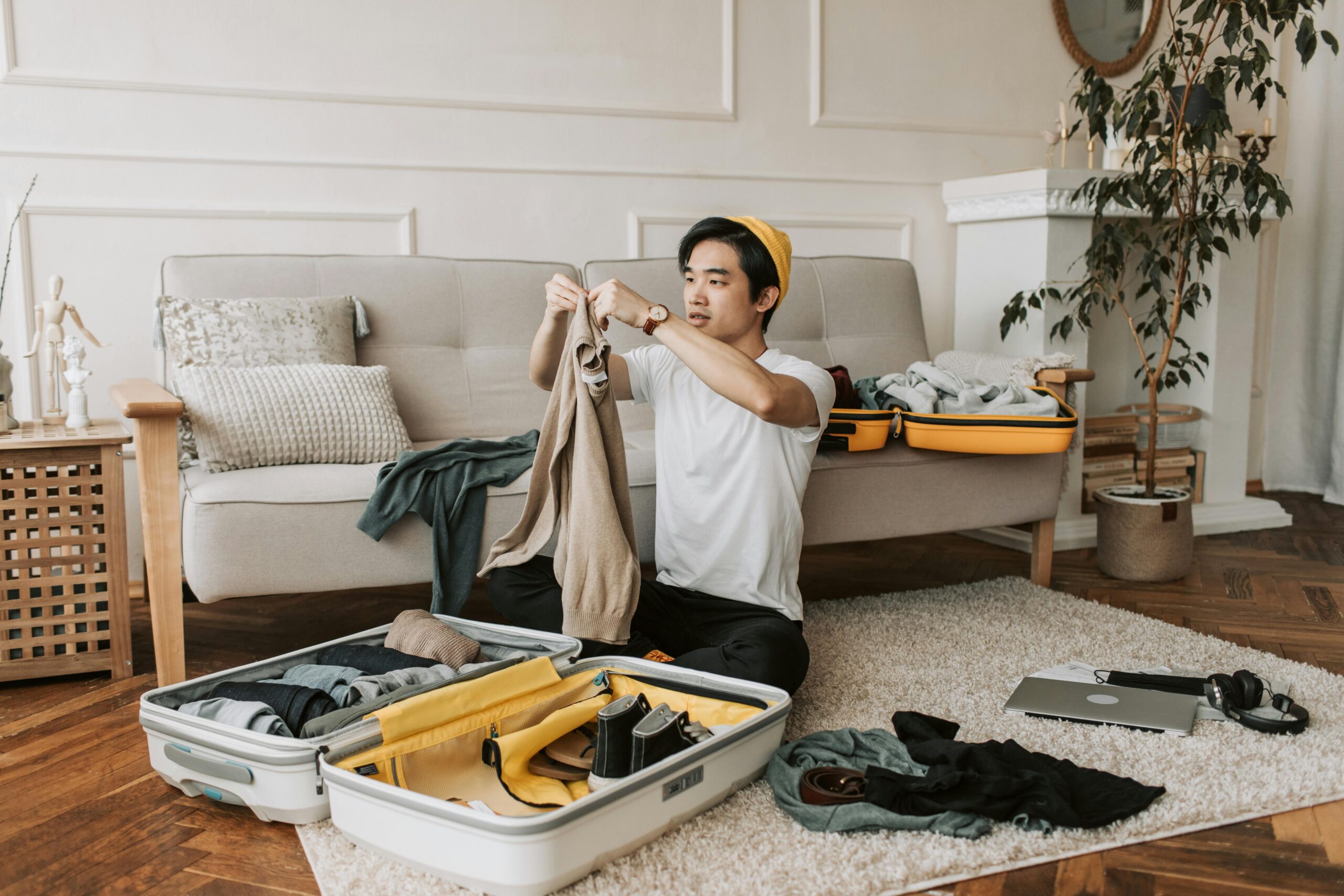
Don’t wait until departure morning to pack your personal item for the first time. Do a complete packing rehearsal several days before your trip, living with the packed bag and accessing items as you would during travel. This trial run reveals organizational problems, missing items, and unnecessary inclusions.
After your rehearsal, refine your packing list based on what worked and what didn’t. Remove items you never accessed and add solutions for inconveniences you encountered. This iterative process perfects your system over multiple trips.
Streamlining Your Airport Security Experience
Your personal item’s organization directly impacts your security checkpoint speed and stress level. Keep your 3-1-1 liquids bag near the top for quick removal. Wear shoes that slip on and off easily. Place items from your pockets directly into your bag rather than using the bins, which can be forgotten.
Laptop and tablet policies vary by airport and TSA PreCheck status, but keeping electronics in an easily accessible layer facilitates removal when required. Some travelers use a separate laptop sleeve that lifts out of the bag in one motion, then slides back in just as easily.
🌟 Personalizing Your System
The perfect packing system is deeply personal, reflecting your unique travel style, destination types, and priorities. A business traveler’s personal item differs dramatically from a backpacker’s, which differs from a parent traveling with children.
Experiment with different bag types, organizational tools, and item selections until you discover what works for your specific needs. What matters isn’t following someone else’s perfect system—it’s developing your own perfect system through experience and refinement.
Track what you actually use during trips versus what stays packed. Items that consistently go untouched should be eliminated, creating space for things that would have been useful. Over time, your personal item evolves into a precisely calibrated kit that makes every journey smoother.
The ultimate goal is reaching a point where packing your personal item becomes automatic, requiring minimal thought because every item has its designated location and proven purpose. When you achieve this level of organization, travel transforms from a logistical challenge into an enjoyable adventure, starting the moment you grab your perfectly packed personal item and head out the door.