Traveling should be an exciting adventure, not a source of anxiety. Yet, the boarding process often becomes one of the most stressful parts of any journey.

Whether you’re a seasoned globetrotter or an occasional traveler, mastering smart boarding strategies can transform your experience from chaotic to seamless. The key lies in preparation, awareness, and implementing practical techniques that benefit not just you, but everyone around you. By adopting these hassle-free tips, you’ll discover how to navigate airports, train stations, and bus terminals with confidence and ease, making your travel smoother and significantly less stressful for yourself and your fellow passengers.
🎯 Preparing Before You Leave Home
The foundation of stress-free boarding begins long before you arrive at the terminal. Strategic preparation at home sets the tone for your entire journey and helps you avoid last-minute scrambling that causes delays and frustration.
Start by organizing your travel documents in a dedicated, easily accessible folder or travel wallet. Your passport, boarding passes, identification cards, and any necessary visas should be together in one place. Digital backups stored securely on your smartphone provide an additional safety net. Many travelers now use travel apps that consolidate all their booking confirmations, boarding passes, and itinerary details in one convenient location.
Packing strategically makes a tremendous difference during boarding. Keep essential items like medications, valuables, electronics, and travel documents in your personal item rather than your carry-on luggage. This ensures you have immediate access without needing to open overhead compartments or dig through bags while other passengers wait behind you.
Creating Your Pre-Travel Checklist
A comprehensive checklist prevents those panic-inducing moments when you’re unsure whether you’ve forgotten something critical. Your checklist should include:
- Confirming your flight or transportation status 24 hours before departure
- Completing online check-in as soon as it becomes available
- Verifying baggage weight and dimension requirements
- Checking weather conditions at your destination
- Setting multiple alarms to ensure timely departure from home
- Reviewing parking or transportation arrangements to the terminal
- Confirming any special assistance requirements you may need
✈️ Mastering Airport Check-In and Security
The airport experience sets the stage for your boarding process. Arriving with adequate time—generally two hours for domestic flights and three hours for international travel—eliminates the rushed feeling that generates stress and poor decisions.
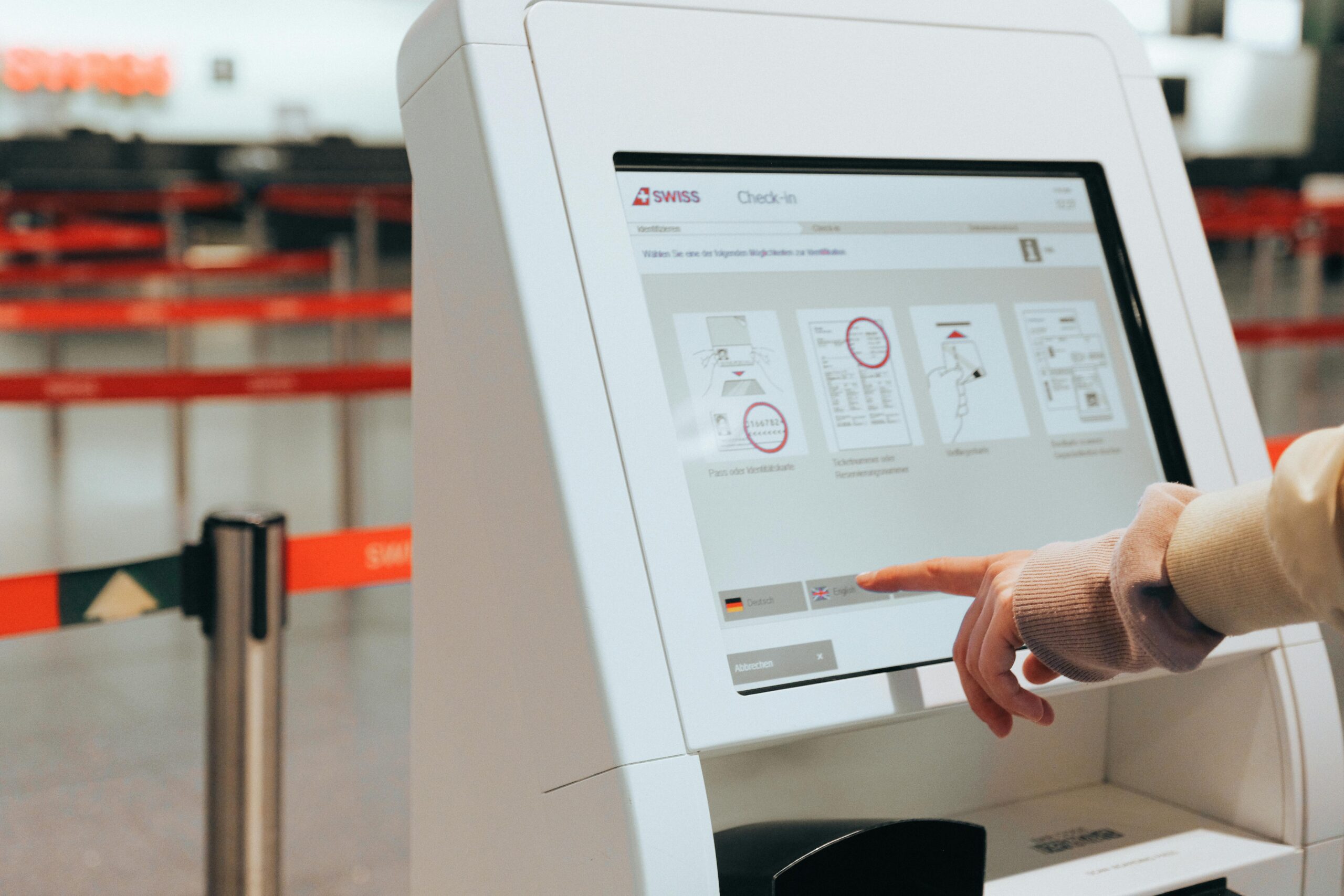
Online check-in revolutionizes the boarding experience. Most airlines open check-in 24 hours before departure, allowing you to select your preferred seat, add any last-minute services, and obtain your boarding pass digitally. This simple step bypasses potentially long check-in counter lines and gives you more control over your journey.
Mobile boarding passes offer significant advantages over printed versions. They’re environmentally friendly, impossible to accidentally leave behind, and update automatically if your gate changes. However, keeping a screenshot backup ensures access even if your phone battery dies or you lose internet connectivity.
Navigating Security Like a Professional
Security checkpoints represent a major bottleneck in the boarding process. Preparation dramatically reduces your time here and minimizes stress for everyone in line. Before reaching the conveyor belt, have your boarding pass and identification ready for inspection.
Wear easily removable shoes and minimize metal accessories like belts, watches, and jewelry. Place your laptop, tablet, and large electronics in separate bins as required. Keep your liquids bag accessible at the top of your carry-on so you can quickly remove it without unpacking everything.
Consider enrolling in trusted traveler programs like TSA PreCheck, Global Entry, or CLEAR if you travel frequently. These programs offer expedited security screening, allowing you to keep shoes, belts, and light jackets on while leaving laptops and liquids in your bag. The time savings and reduced stress quickly justify the application fees.
🚶 Strategic Gate Positioning and Boarding Groups
Once through security, resist the temptation to immediately crowd the gate area. Many travelers anxiously hover near the boarding door long before their group is called, creating congestion that slows the entire process and increases everyone’s stress levels.
Instead, find a comfortable seat within view of the gate where you can monitor announcements while remaining relaxed. Use this time productively—catch up on work, read, or simply rest. Stay alert to gate changes, which occasionally occur without adequate announcement volume.
Understanding Boarding Group Systems
Airlines use various boarding group systems designed to streamline passenger flow. First-class passengers, those with status, families with young children, and passengers requiring special assistance typically board first. Economy passengers follow in assigned groups, usually determined by seat location or ticket price.
Knowing your boarding group number prevents unnecessary waiting in line. When your group is called, approach calmly with your boarding pass ready—either on your phone screen at full brightness or printed and easily accessible. This simple courtesy keeps the line moving efficiently.
If you’re traveling with carry-on luggage, earlier boarding groups offer significant advantages because overhead bin space becomes scarce as the aircraft fills. However, if you only have a personal item that fits under the seat, later boarding actually reduces your time standing in the aisle and sitting on the aircraft.
🎒 Carry-On Luggage Best Practices
Your carry-on strategy significantly impacts both your boarding experience and that of other passengers. The most important principle: pack as lightly as possible within airline regulations while meeting your actual needs.
Familiarize yourself with your airline’s specific carry-on size and weight restrictions, which vary considerably between carriers. Budget airlines often have stricter limitations than legacy carriers. Measure your luggage before leaving home—discovering your bag is oversized at the gate creates stress and potential additional fees.
Strategic packing maximizes efficiency during boarding. Heavy items should go at the bottom near the wheels, with frequently needed items easily accessible at the top. Keep one change of clothes, essential toiletries, and valuable items in your carry-on in case checked baggage is delayed or lost.
Overhead Bin Etiquette That Benefits Everyone
Overhead bin space is a shared resource requiring cooperation and consideration. Store your larger carry-on bag wheels-first in the bin directly above or near your seat, then place your personal item under the seat in front of you. This configuration maximizes space and follows airline guidelines.
Never place items in bins far from your seat unless absolutely necessary, as this inconveniences other passengers who rightfully expect to use the space above their assigned seats. If you must use a distant bin, remember its location to avoid delaying deplaning by searching multiple compartments.
Avoid bringing excessively large carry-ons that barely fit within size limits. While technically allowed, oversized bags consume disproportionate bin space and create boarding delays as flight attendants struggle to accommodate them or must gate-check them anyway.
👨👩👧👦 Traveling with Children or Special Needs
Families with young children face unique boarding challenges requiring additional preparation. Most airlines offer priority boarding for families, allowing extra time to get settled before the main boarding rush begins.
Prepare children beforehand by explaining what to expect during boarding and the flight. Bring entertainment like tablets loaded with games and movies, coloring books, or small toys. Snacks prove invaluable for keeping young travelers content during potential delays.
Pack a separate, easily accessible bag with everything needed during the flight: diapers, wipes, changes of clothes, medications, and comfort items. This prevents blocking the aisle while digging through overhead luggage with impatient passengers waiting behind you.
Assistance for Passengers with Mobility Concerns
Travelers requiring mobility assistance should request services when booking their ticket or at least 48 hours before departure. Airlines provide wheelchairs, assistance navigating the terminal, and priority boarding to ensure adequate time for seating.
Communicate your specific needs clearly to gate agents and flight attendants. They’re trained to help but benefit from understanding your particular requirements. Most airports offer dedicated assistance desks near check-in areas where specialized staff coordinate support services.
Don’t hesitate to advocate for yourself or travel companions needing extra time or accommodation. The boarding process should be accessible and manageable for everyone, regardless of physical limitations or health conditions.
📱 Technology Tools for Smoother Boarding
Modern technology offers numerous solutions that simplify the boarding process. Airline-specific apps provide real-time flight updates, gate changes, delay notifications, and mobile boarding passes. Download your carrier’s app before traveling and enable push notifications for important updates.
Flight tracking applications give comprehensive information about your aircraft’s current location, estimated arrival time, and historical on-time performance data. This knowledge helps you make informed decisions about when to head to the gate or whether connections might be tight.
Airport navigation apps map terminal layouts, showing distances between gates, locations of amenities like restaurants and restrooms, and estimated walking times. This proves especially valuable in unfamiliar or large airports where finding your gate can be confusing.
Translation apps assist international travelers in communicating with airline staff and navigating foreign airports. Real-time translation features help you understand announcements and signage in unfamiliar languages, reducing anxiety in foreign environments.
🧘 Managing Stress and Anxiety During Boarding
Even with perfect preparation, boarding can trigger stress and anxiety. Recognizing this and having coping strategies maintains your composure and improves the experience for everyone around you.
Practice deep breathing exercises while waiting to board. Slow, controlled breaths activate your parasympathetic nervous system, countering the stress response. Simple techniques like counting to four while inhaling, holding briefly, then exhaling to a count of six can produce remarkable calming effects.
Maintain realistic expectations about the boarding process. Delays happen, lines move slowly, and unexpected complications arise. Accepting these realities rather than fighting against them reduces frustration significantly. Remember that airline staff are working to ensure everyone’s safety and comfort, even when processes seem inefficient.
Creating Positive Interactions with Fellow Travelers
Your attitude influences the boarding atmosphere for everyone nearby. Simple courtesies like smiling, saying please and thank you, and offering help to struggling passengers create a more pleasant environment. This positive energy often returns to you multiplied.
Practice patience with travelers less experienced or moving more slowly. Everyone has different comfort levels, abilities, and familiarity with air travel. The few extra seconds you spend waiting for someone to stow their luggage or find their seat maintains human dignity and kindness.
Avoid aggressive behaviors like pushing, cutting in line, or complaining loudly. These actions increase stress for everyone without actually improving your situation. Calm assertiveness when necessary, combined with consideration for others, produces far better outcomes.
🌍 International Travel Boarding Considerations
International flights involve additional complexity requiring extra preparation. Document requirements extend beyond passports to include visas, vaccination certificates, and sometimes specific health declarations or travel authorizations.
Research destination entry requirements thoroughly weeks before departure, as obtaining necessary documents can take considerable time. Many countries now offer electronic visa applications completed online, but processing times vary. Government websites provide authoritative information about current requirements.
Language barriers at foreign airports can complicate boarding. Learn basic phrases in the local language for common travel situations, or keep translation apps readily accessible. Many international airports employ multilingual staff at information desks who can assist with questions or concerns.
Customs and Immigration Preparation
Completing customs and immigration forms accurately before landing saves significant time during the arrival process. Flight attendants typically distribute these forms during the flight, or digital versions may be available through airline apps or airport kiosks.
Have clear answers ready for common immigration questions: the purpose of your visit, duration of stay, accommodation address, and return travel plans. Honest, concise responses facilitate quick processing through immigration checkpoints.
Familiarize yourself with customs regulations regarding prohibited items, duty-free allowances, and declaration requirements. Accurately declaring items prevents penalties and delays that create stress for you and slow processing for travelers behind you.
🎁 Making the Most of Your Waiting Time
Transform potentially stressful waiting periods into productive or enjoyable experiences. Rather than viewing pre-boarding time as wasted, consider it an opportunity for activities you normally don’t prioritize.
Catch up on reading books or articles you’ve been meaning to explore. Download content beforehand since airport Wi-Fi can be unreliable. Many travelers find airports conducive to focused work without typical office interruptions, making this ideal time for completing important tasks.
Use waiting time for self-care activities like stretching, walking the terminal, or meditation. Physical movement after potentially long security lines and before extended sitting on the aircraft benefits both body and mind. Many modern airports include dedicated quiet rooms or yoga spaces for relaxation.
Explore airport amenities like shops, art installations, or observation areas. Large international airports often feature museum-quality exhibits, cultural displays, or unique architectural elements worth experiencing. This transforms mundane waiting into genuine enjoyment.
💡 Expert Tips From Frequent Flyers
Experienced travelers develop strategies through repeated trial and error. Learning from their accumulated wisdom helps you avoid common pitfalls and adopt proven techniques.
Always carry essentials in your pockets or easily accessible personal item: phone, charger, headphones, wallet, medications, and a pen. This prevents boarding delays caused by searching through bags for frequently needed items.
Choose your seat strategically based on your priorities. Window seats offer views and a wall to lean against for sleeping but require disturbing others for restroom access. Aisle seats provide easy movement but mean frequent disruptions from seatmates. Exit row seats offer extra legroom but come with responsibility requirements.
Dress in layers for comfort across varying temperatures—airports are often cold while aircraft can be warm before takeoff. Comfortable, slip-on shoes simplify security screening and provide relief during long flights. Avoid restrictive clothing that becomes uncomfortable during extended sitting.

🎉 Transforming Boarding Into a Positive Experience
The difference between stressful and smooth boarding often lies in perspective and preparation. By implementing these smart boarding strategies, you gain control over aspects of travel that previously felt chaotic or overwhelming.
Remember that every traveler around you shares similar goals: reaching their destination safely, comfortably, and on time. Approaching boarding with empathy, patience, and preparedness creates positive ripple effects that benefit the entire travel ecosystem.
Start implementing these strategies on your next trip, beginning with just a few techniques that resonate most with your travel style. As they become habitual, you’ll naturally incorporate additional strategies, progressively improving your boarding experience.
Travel represents opportunity—for adventure, connection, business, or relaxation. Don’t let boarding stress diminish the excitement of your journey. With smart strategies and the right mindset, you can transform this necessary process into a seamless, even enjoyable, part of your travel experience. Your future self will thank you for the investment in learning and applying these hassle-free boarding tips that make travel smoother and stress-free for everyone involved. ✈️