Choosing the right seat can transform your journey from stressful to sensational, whether you’re boarding a plane, settling into a theater, or finding your spot on a long-distance train. The perfect seat isn’t just about comfort—it’s about maximizing your entire experience.

Every traveler, moviegoer, or event attendee has faced the critical decision of seat selection. This comprehensive guide will equip you with insider knowledge to make informed choices that align with your priorities, ensuring every journey or event becomes more enjoyable and stress-free.
🎯 Understanding Your Seating Priorities
Before diving into specific strategies, you need to identify what matters most to you. Different situations call for different priorities, and understanding your personal preferences is the foundation of excellent seat selection.
Consider your physical needs first. Do you have long legs that require extra legroom? Are you prone to motion sickness? Do you need frequent bathroom access? Perhaps you’re traveling with small children who need constant attention. These factors should drive your decision-making process from the start.
Your comfort preferences also play a crucial role. Some people prefer window seats for the view and the ability to lean against the wall while sleeping. Others prioritize aisle seats for easy mobility and the freedom to stretch without disturbing neighbors. Understanding these preferences helps narrow down your options significantly.
✈️ Mastering Airplane Seat Selection
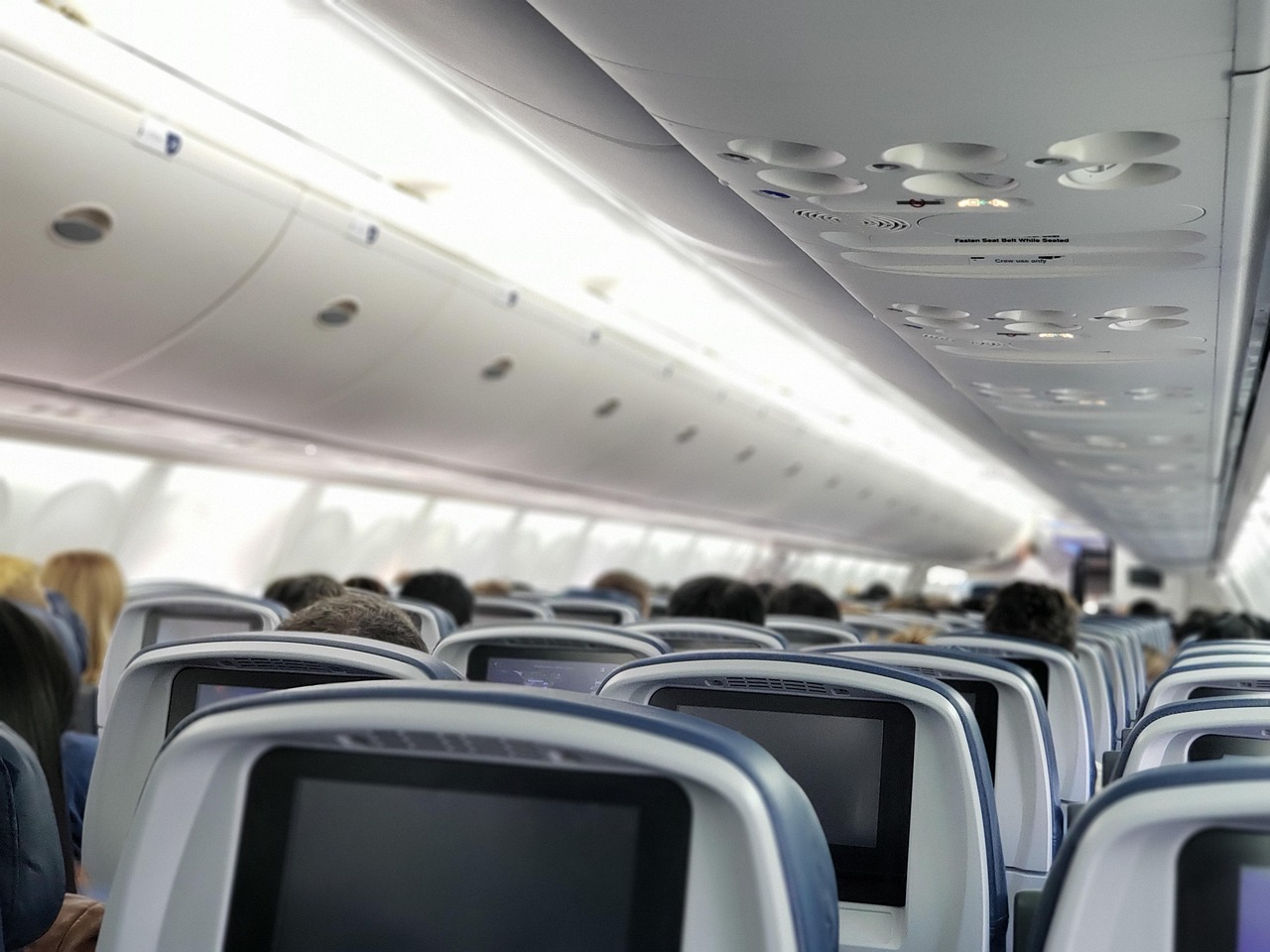
Air travel presents some of the most complex seat selection scenarios. With varying aircraft configurations, airline policies, and passenger needs, choosing the right airplane seat requires strategic thinking.
The Window Versus Aisle Debate
Window seats offer unparalleled views, a wall to lean against for sleeping, and minimal disturbance from other passengers moving about. They’re ideal for photographers, those who sleep during flights, and anyone who doesn’t need frequent bathroom breaks. The downside? You’re trapped when nature calls or when you need to stretch.
Aisle seats provide easy access to overhead bins, bathrooms, and the ability to stretch your legs into the aisle periodically. They’re perfect for tall passengers, those with bladder sensitivities, and anyone who values mobility. However, you’ll face interruptions from seatmates, cart bumps, and constant aisle traffic.
The Strategic Advantages of Exit Rows
Exit row seats typically offer significantly more legroom than standard economy seats. However, they come with responsibilities and restrictions. You must be physically able to assist in an evacuation, which means you need to meet specific age and ability requirements.
These seats often cannot recline or recline less than standard seats, protecting the evacuation space. Some exit rows are located near galleys or lavatories, which means increased noise and foot traffic. Always research the specific exit row configuration on your aircraft before committing.
Front, Middle, or Back: Location Matters
Front sections of the aircraft generally experience less turbulence and offer quicker boarding and deplaning. You’ll receive meal service first and have better access to flight attendants. Premium economy and business class occupy these areas on most aircraft.
Middle sections tend to be the most stable during turbulence, making them ideal for nervous flyers or those prone to motion sickness. However, they’re also the most crowded and furthest from both exits.
Rear sections near the engines experience more noise and vibration. The seats often don’t recline fully due to the bulkhead behind them. However, back rows are often less desirable, meaning better chances of having empty seats nearby for spreading out.
🎭 Theater and Cinema Seating Secrets
Whether you’re catching the latest blockbuster or attending a Broadway show, seat selection dramatically impacts your viewing experience. The principles differ significantly from transportation seating strategies.
The Golden Zone for Optimal Viewing
Movie theater experts recommend sitting approximately two-thirds back from the screen and in the center of the row. This position provides the best balance between screen size and viewing angle, allowing you to see the entire screen without excessive head movement.
For IMAX or large-format screens, consider sitting slightly further back to avoid neck strain. The immersive sound systems in modern theaters are calibrated for the center sections, providing the most balanced audio experience.
Accessibility and Convenience Factors
Aisle seats in theaters offer easy access for bathroom breaks without disturbing multiple people. They’re especially valuable during long movies or if you’re attending with young children who may need to leave.
Stadium seating has revolutionized the movie-going experience by ensuring that the person in front of you doesn’t block your view. Always choose stadium seating when available, as it eliminates one of the most frustrating aspects of traditional theater layouts.
🚄 Train and Bus Seating Strategies
Long-distance train and bus journeys require careful seat selection to ensure comfort during extended travel periods. These vehicles present unique considerations compared to air travel.
Forward Versus Backward Facing Seats
Forward-facing seats align with your natural direction of motion, reducing the likelihood of motion sickness. They provide a better view of the upcoming scenery and feel more natural for most travelers.
Backward-facing seats, while less popular, often remain available when other seats are taken. Some travelers actually prefer them for the reduced glare on electronic devices and the ability to watch scenery unfold behind them. If motion sickness isn’t an issue, these seats can be a strategic choice.
Table Seats and Solo Travelers
Many trains offer table seats where four passengers face each other around a table. These are fantastic for groups traveling together or for working during your journey. However, solo travelers should generally avoid them unless all four seats are available, as they offer less privacy and personal space.
Solo seats, available on some trains and buses, provide ultimate privacy and personal space. They’re perfect for working, reading, or simply enjoying solitude during your journey without worrying about seatmates.
🏟️ Sports Venues and Concert Halls
Live events create their own unique seating considerations. The perfect seat balances visibility, acoustics, and sometimes even social atmosphere depending on the event type.
Sight Lines and Elevation
Lower-level seats provide proximity to the action and allow you to see player expressions and details. However, they can have obstructed views from people standing or limited perspective on plays developing across the field or stage.
Upper-level seats offer a complete view of the entire venue, perfect for understanding game strategy or seeing complete stage productions. Modern stadiums design upper decks with steeper angles to maintain good sight lines despite the elevation.
Sound Quality Considerations for Concerts
For concerts, the sound engineer typically sits in the middle of the venue at a moderate distance from the stage—this is where they mix the sound to perfection. Seats near the sound booth generally offer the best audio experience.
Avoid seats directly in front of speaker stacks unless you want overwhelming volume. Similarly, seats too far to the sides may experience imbalanced sound with one side of the speaker system dominating.
📱 Technology Tools for Smarter Seat Selection
Modern technology has revolutionized seat selection, providing detailed information and visualization tools that were impossible just a decade ago. Leveraging these tools gives you a significant advantage.
Seat Map Applications and Websites
SeatGuru remains one of the most popular resources for airplane seat selection, offering detailed aircraft maps with color-coded ratings for each seat. The platform includes passenger comments highlighting specific issues like limited recline, proximity to bathrooms, or missing windows.
ExpertFlyer provides advanced seat tracking, alerting you when better seats become available on your booked flights. This premium service is particularly valuable for frequent travelers seeking upgrades or preferred seating.
Virtual Venue Tours
Many theaters, stadiums, and concert halls now offer 360-degree virtual views from specific seats. These tools let you visualize exactly what your sight lines will be before purchasing tickets, eliminating disappointing surprises.
Augmented reality applications are emerging that use your phone’s camera to show you the view from different seats within a venue. While still developing, this technology promises to revolutionize how we select seats for live events.
💡 Pro Tips from Seasoned Travelers
Experienced travelers have developed strategies through trial and error that can save you from common seat selection mistakes. These insider tips come from years of collective experience.
Timing Your Seat Selection
Book early for the best selection, but don’t assume your first choice is final. Airlines and venues often release better seats as the date approaches. Check back regularly, especially 24 hours before departure when airlines typically open up remaining premium seats.
For theaters and events, Tuesday mornings often see ticket releases as production companies assess demand. This timing can be ideal for snagging better seats at face value rather than through resellers.
Understanding Seat Class Differences
Premium economy seats offer significantly more legroom and comfort than standard economy, often at a reasonable upcharge. Calculate the cost per hour of your flight to determine if the upgrade makes financial sense for your journey.
Bulkhead seats provide extra legroom since there’s no seat in front, but you lose under-seat storage space. These seats work well for passengers with long legs but may be inconvenient if you like keeping personal items easily accessible during the flight.
👨👩👧 Special Considerations for Families
Traveling with children or in groups requires different seat selection strategies. What works for solo travelers often fails spectacularly when kids are involved.
Airlines typically try to seat families together, but this isn’t guaranteed. When booking, select seats together immediately rather than assuming automatic assignment. Window and aisle combinations in the same row work well, giving kids the window view while adults control aisle access.
Bulkhead rows often accommodate bassinets, making them ideal for families with infants. However, these seats are in high demand and should be requested immediately upon booking. Be aware that tray tables fold out from the armrests in these rows, making them slightly narrower.
🎯 Making the Final Decision
With all this information, making your final seat selection becomes a personalized calculation based on your priorities, the specific vehicle or venue, and availability at booking time.
Create a mental checklist of your top three priorities. Perhaps it’s legroom, quick exit access, and minimal disturbance. Use this framework to evaluate available options systematically rather than being overwhelmed by choices.
Don’t let perfect be the enemy of good. Sometimes the theoretically ideal seat isn’t available, and that’s okay. Understanding what matters most helps you make satisfying compromises when necessary. A good seat that meets your primary needs beats an unavailable perfect seat every time.
Remember that seat selection is highly personal. What works brilliantly for one person might be uncomfortable for another. Use these guidelines as a starting point, but always factor in your unique needs, preferences, and physical requirements. Over time, you’ll develop your own preferences and strategies that work best for your travel and entertainment style.
The art of seat selection combines research, timing, and self-awareness. By understanding the principles outlined in this guide and applying them thoughtfully to your specific situation, you’ll consistently find yourself in spots that enhance rather than detract from your experience. Whether you’re embarking on a long-haul flight, settling in for a concert, or taking a scenic train journey, the right seat transforms good experiences into great ones. Happy travels and enjoy the show from your perfectly selected spot! 🎉