Airports can be overwhelming, but knowing where delays happen most helps you glide through terminals with confidence and ease. Understanding common bottlenecks transforms chaos into smooth sailing.

Every seasoned traveler has experienced the frustration of unexpected delays, long queues, and navigational confusion at airports. Whether you’re a frequent flyer or an occasional vacationer, mastering the art of airport navigation can dramatically reduce stress and save precious time. This comprehensive guide reveals the most common airport bottlenecks and provides actionable strategies to help you avoid them, ensuring your journey starts on the right foot every single time.
🎯 Security Checkpoints: The Ultimate Time Trap
Security screening remains the most notorious bottleneck in virtually every airport worldwide. The Transportation Security Administration (TSA) processes over 2.5 million passengers daily in the United States alone, making this checkpoint a critical stress point for travelers.
The key to breezing through security lies in preparation. Before you even reach the checkpoint, ensure your liquids are properly packed in containers of 3.4 ounces or less, all fitting within a single quart-sized clear bag. Remove laptops, tablets, and large electronics from your carry-on before reaching the conveyor belt. Wearing slip-on shoes and minimal jewelry can shave valuable minutes off your screening time.
Consider enrolling in trusted traveler programs like TSA PreCheck, Global Entry, or CLEAR. These programs offer expedited screening lanes with significantly shorter wait times. TSA PreCheck members can keep their shoes, belts, and light jackets on, and laptops and liquids can remain in carry-on bags. The annual fee pays for itself after just a few trips when you calculate the time saved.
Peak Hours to Avoid at Security
Security wait times fluctuate dramatically throughout the day. Early morning hours between 5:00 AM and 8:00 AM typically see the longest queues as business travelers and early flights create bottlenecks. Another rush occurs between 4:00 PM and 7:00 PM when evening departures peak.
Midday flights, particularly between 10:00 AM and 2:00 PM, often experience shorter security lines. If your schedule allows flexibility, booking flights during these off-peak windows can significantly reduce your security screening time.
✈️ Check-In Counters: The Preventable Delay
Traditional check-in counters have become increasingly unnecessary, yet many travelers still queue unnecessarily at airline desks. Long lines at check-in counters waste time that could be better spent enjoying airport amenities or reaching your gate stress-free.
Online check-in opens 24 hours before departure for most airlines. Take advantage of this feature immediately when it becomes available. Download your boarding pass to your smartphone or smartwatch, eliminating the need to print anything. Most modern airports and airlines support mobile boarding passes that work seamlessly with security and boarding processes.
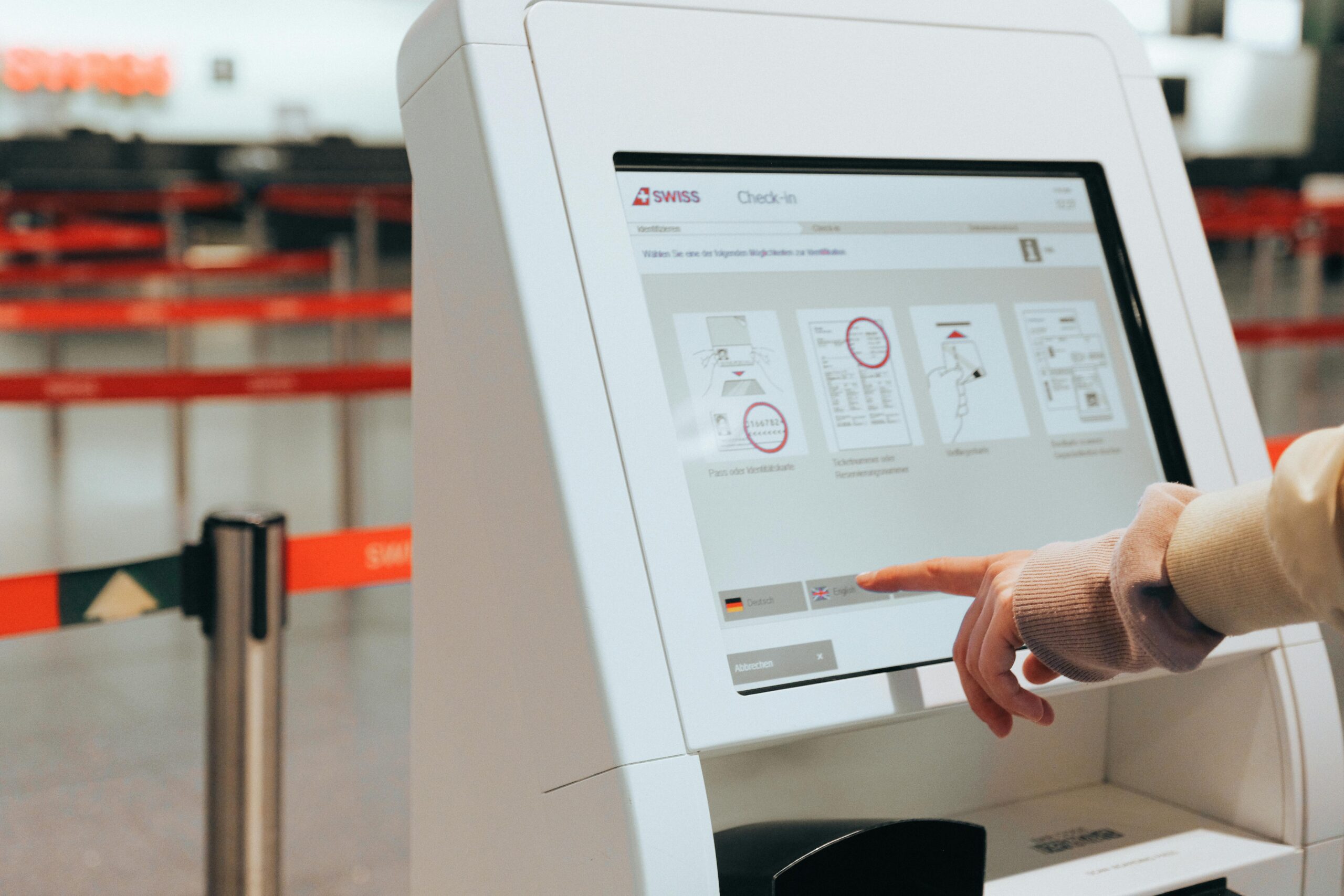
For those checking baggage, self-service kiosks and bag drop stations expedite the process significantly. These automated systems allow you to print bag tags, weigh luggage, and complete the check-in process in minutes rather than the 15-30 minutes typically spent in agent-assisted lines.
Smart Baggage Strategies
Traveling with carry-on luggage only eliminates check-in bottlenecks entirely and saves time on both departure and arrival. If you must check bags, arrive earlier than you normally would, but use that extra time strategically by utilizing self-service options rather than standing in traditional queues.
Several airlines now offer remote bag check services at hotels or off-airport locations, allowing you to drop luggage before even arriving at the terminal. Research whether your airline and destination airport support this convenient option.
🚗 Airport Parking and Ground Transportation Nightmares
Finding parking at busy airports can add 30-45 minutes to your pre-flight timeline, creating unnecessary stress before you even enter the terminal. Economy lots fill quickly during peak travel seasons, forcing travelers to circle endlessly or settle for expensive hourly garages.
Pre-booking parking through airport websites or third-party reservation platforms guarantees a spot and often provides discounts compared to gate rates. These reservations show exact availability and pricing, eliminating guesswork and last-minute scrambling.
Alternative transportation methods often prove faster and more economical than parking. Ride-sharing services, airport shuttles, and public transit eliminate parking hassles entirely. Many airports now feature dedicated cell phone lots where friends or family can wait for free until you call, making pick-ups and drop-offs smoother.
Navigation Inside Parking Structures
Airports often feature confusing, multi-level parking garages where finding your car upon return becomes an unexpected adventure. Take a photo of your parking location, including the level number, section letter, and any nearby landmarks. Most smartphones automatically embed location data in photos, providing an additional backup for memory.
Some airports offer mobile apps with parking location features that mark your spot digitally. Download your airport’s official app before traveling to access these helpful navigation tools.
📱 Technology-Enhanced Navigation
Modern airports span millions of square feet with dozens of terminals, hundreds of gates, and thousands of shops and restaurants. Getting lost or miscalculating walking distances creates stress and risks missed flights.
Airport wayfinding apps provide turn-by-turn directions inside terminals, estimated walking times between locations, and real-time updates on gate changes. Major airports like Heathrow, Singapore Changi, and Dallas Fort Worth offer dedicated navigation apps that map indoor routes with impressive accuracy.
Google Maps now includes detailed indoor maps for many airports worldwide, showing amenities, gates, and services. This integration means you don’t need multiple apps cluttering your phone—one familiar interface handles both getting to the airport and navigating within it.
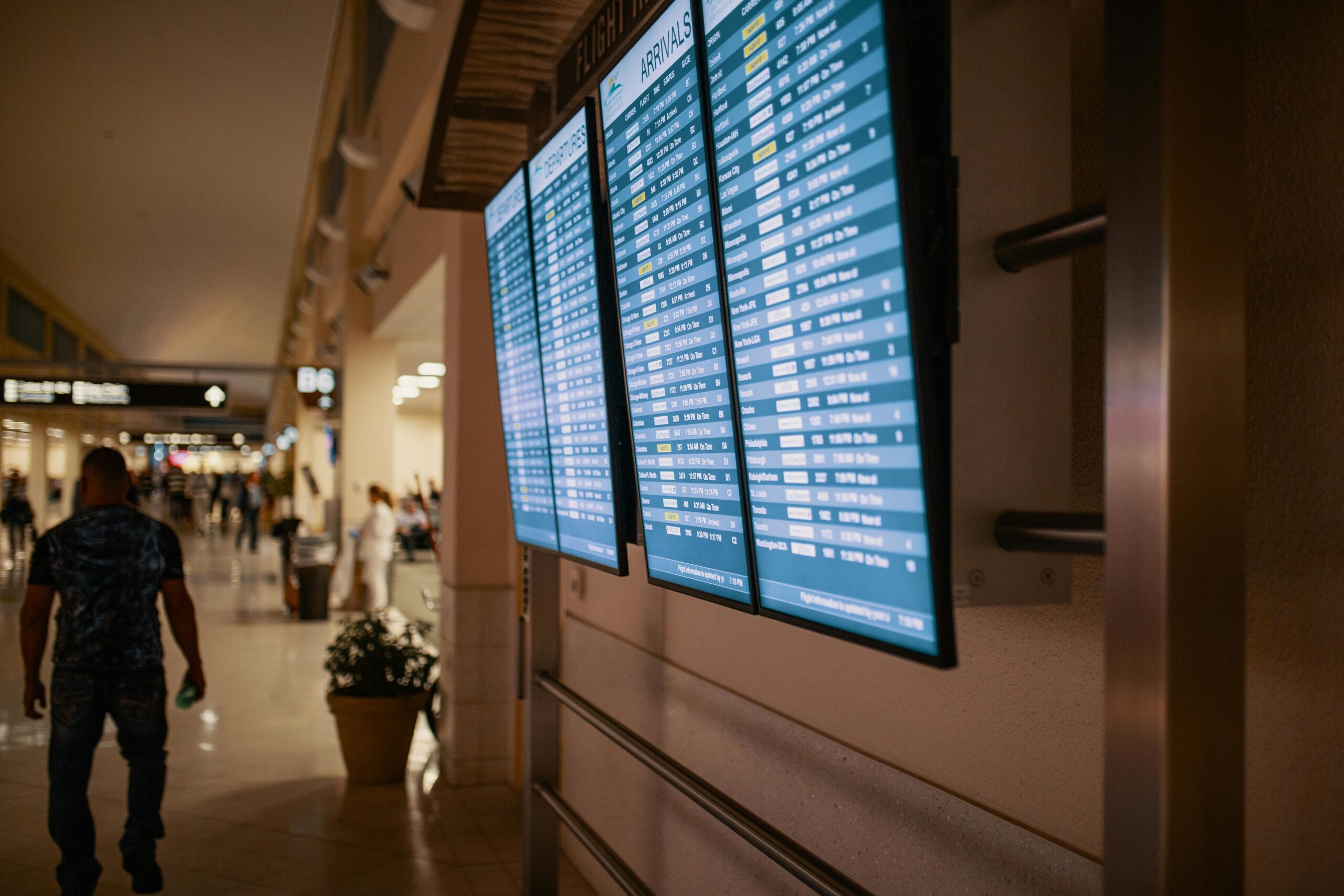
Flight tracking apps notify you instantly about gate changes, delays, and boarding times. This real-time information prevents the common mistake of camping at the wrong gate or missing important announcements.
🍽️ Food and Beverage Bottlenecks
Airport dining areas become congested disaster zones during peak boarding times. Travelers scrambling for last-minute meals create long lines at popular restaurants and coffee shops, particularly during morning and lunch rushes.
Strategic meal planning prevents food-related delays. Eat before arriving at the airport, or schedule extra time specifically for dining. Research restaurant locations and menus in advance using airport websites or apps. Many airports now offer mobile ordering services that let you skip lines entirely by ordering ahead and picking up food ready-to-go.
Bringing empty water bottles through security and filling them at water fountains saves both money and time. Hydration stations are now mandatory in most modern terminals, providing filtered water without the cost and queue time of purchasing bottled beverages.
Hidden Dining Gems Beyond Security
Most travelers cluster at restaurants near their departure gates, creating unnecessary congestion. Exploring other terminal areas often reveals equally good dining options with shorter waits. If you have time between connections, venturing to adjacent terminals can reward you with better food and faster service.
🚶 Underestimating Walking Distances and Transfer Times
Airport layouts deceive travelers into miscalculating required transit times. What appears as a short distance on terminal maps often involves security re-screening, tram rides, or surprisingly long corridors.
Major hub airports like Atlanta Hartsfield-Jackson, Denver International, and Frankfurt can require 20-30 minutes to walk between distant gates even without delays. International connections involving customs and immigration add another 45-60 minutes to your minimum connection time.
Always verify minimum connection times specified by your airline, but add a personal buffer. Airlines calculate these minimums based on ideal conditions without accounting for bathroom breaks, mobility limitations, or simple human walking pace variations.
Understanding Airport Train Systems
Many large airports utilize automated people movers, trams, or trains connecting terminals. These systems are generally efficient but introduce variables travelers must consider. Trains may run every 5-10 minutes, and if you just miss one, that delay compounds with your walking time.
Study airport maps before your trip to understand terminal layouts and transportation requirements. Knowing whether you’ll need to use inter-terminal trains helps you allocate appropriate connection time.
🛂 International Travel Bottlenecks: Customs and Immigration
International arrivals face additional checkpoints that domestic travelers never encounter. Customs and immigration processing creates massive bottlenecks, particularly when multiple wide-body aircraft arrive simultaneously.
Completing required forms before landing saves precious time. Many countries now offer digital customs declarations through mobile apps, eliminating paper forms and dedicated processing lines. Programs like Mobile Passport Control in the United States and ePassport gates in Europe expedite entry for eligible travelers dramatically.
Global Entry membership, available to U.S. citizens and citizens of select countries, provides access to automated kiosks that complete customs and immigration processing in minutes. Similar programs exist in many countries, including the UK’s Registered Traveller Service and Canada’s NEXUS program.
Connecting Flight Considerations
When booking international itineraries with connections, many travelers underestimate time needed for immigration, baggage claim, customs, bag re-check, and security screening before their connecting flight. This process easily consumes 90 minutes or more, even under optimal conditions.
Always book international connections with at least three hours between flights when possible. This buffer accommodates immigration queues, potential baggage delays, and security re-screening without inducing panic or risking missed connections.
💺 Gate Area Congestion and Boarding Chaos
Boarding processes create their own unique bottlenecks as passengers jostle for overhead bin space and crowd gate areas prematurely. Understanding boarding procedures and airline policies reduces stress during this final pre-flight stage.
Avoid the scrum of passengers crowding the gate area before boarding begins. Airlines board in groups for efficiency, and standing near the gate before your group is called only adds to congestion. Use this time to visit restrooms, fill water bottles, or simply relax in less crowded areas nearby.
Most airlines now display boarding group information on mobile boarding passes. Know your group number and pay attention to announcements or display boards showing which groups are currently boarding. This awareness lets you board at the optimal moment without rushing or waiting unnecessarily.
Overhead Bin Strategy
Competition for overhead bin space intensifies on full flights. Passengers boarding in later groups often find space above their seats occupied, forcing them to store bags rows away from their seats. This creates deplaning delays and frustration.
If you’re unable to board early, prepare for gate-checking your carry-on. While inconvenient, this service is typically free and guarantees your bag arrives at your destination. Consider packing essential items (medications, valuables, electronics) in a personal item that fits under the seat, giving you access to necessities even if your larger carry-on is gate-checked.
⏰ Time Management: The Master Skill
Proper time allocation solves most airport bottlenecks before they become problems. The age-old debate about how early to arrive at airports continues, but erring on the side of caution never resulted in a missed flight.
For domestic flights, arriving two hours before departure provides comfortable margins for check-in, security, and gate arrival. International flights warrant three-hour advance arrivals. During holiday travel periods, add another 30-60 minutes to these baselines.
Rather than viewing extra time as wasted, reframe it as insurance against travel stress. Modern airports offer lounges, workspaces, shopping, and dining that transform waiting time into productive or enjoyable experiences.
Real-Time Monitoring for Proactive Adjustments
Download your airline’s mobile app and enable push notifications for your flights. These alerts provide early warnings about gate changes, delays, and cancellations, giving you maximum time to adjust plans rather than discovering problems after arriving at the wrong gate.
Flight tracking services offer even broader visibility, showing your aircraft’s current location and estimated arrival time. This information helps gauge whether inbound aircraft delays might affect your departure, allowing you to modify airport arrival times accordingly.
🎒 Packing Smart to Eliminate Processing Delays
How you pack directly impacts bottleneck experiences at security and boarding. Strategic packing choices accelerate your journey through every checkpoint.
Organize carry-on bags with easy access to items you’ll need during security screening. Place laptops and large electronics near the top of bags for quick removal. Keep your quart-sized liquids bag in an exterior pocket where you can grab it instantly.
Avoid packing prohibited items that trigger bag searches and security delays. Review TSA guidelines before packing, paying special attention to often-forgotten restricted items like full-size toiletries, sharp objects, and certain sporting equipment.
Consider investing in TSA-friendly laptop bags with dedicated sections that don’t require complete laptop removal during screening. These specialized bags speed security processing while protecting expensive electronics.
🌍 Airport-Specific Intelligence
Each airport has unique characteristics, layouts, and bottleneck patterns. Researching your specific departure and arrival airports reveals targeted strategies for those facilities.
Many airports publish real-time security wait times on their websites and apps. Checking these before leaving for the airport or upon arrival helps you choose the fastest checkpoint when multiple options exist.
Veteran travelers often share tips about specific airports on forums and travel websites. Spending fifteen minutes reading recent traveler experiences at your departure airport can uncover valuable insider knowledge about which terminals, checkpoints, or gates to use or avoid.
Some airports feature quirky layouts or services that deserve special attention. Denver’s train to the main terminal, Atlanta’s massive plane train system connecting concourses, and Singapore’s numerous attractions all require planning to navigate efficiently.
🧘 Managing the Psychological Journey
Beyond physical bottlenecks, mental preparedness significantly impacts your airport experience. Stress and anxiety compound when facing crowds, delays, and uncertainty.
Build buffers into your schedule at every stage. Rather than calculating the theoretical minimum time needed, add comfortable margins that accommodate inevitable small delays without cascading into missed flights or panic.
Practice patience and maintain perspective. Most airport frustrations resolve themselves with minimal impact on your overall journey. The family blocking the walkway, the slow security line, or the crowded gate area are temporary inconveniences, not catastrophes.
Use waiting time productively or restfully according to your needs. Download entertainment, work materials, or relaxation apps before your trip. Quality noise-canceling headphones create peaceful environments even in chaotic terminals.
✈️ Your Smooth Journey Starts with Smart Preparation
Mastering airport navigation isn’t about rushing or cutting corners—it’s about intelligent preparation that turns potential bottlenecks into minor speedbumps. Every strategy discussed in this guide contributes to a calmer, more controlled travel experience where you feel confident rather than anxious.
Start implementing these approaches gradually. You don’t need to adopt every suggestion immediately. Begin with online check-in and mobile boarding passes, then add trusted traveler programs and airport apps as you become more comfortable with tech-enhanced travel.
Remember that even experienced travelers occasionally face delays, miss connections, or encounter unexpected problems. The difference is that prepared travelers handle these situations with grace because they’ve minimized controllable variables and built resilience into their travel plans.
Your next airport experience can be dramatically different from past frustrating journeys. With awareness of common bottlenecks and practical strategies to avoid them, you’ll navigate terminals with the confidence of a seasoned professional, arriving at your destination relaxed and ready for whatever adventures await. Safe travels! 🌟