Traveling light isn’t just about reducing luggage weight—it’s a transformative approach that revolutionizes how you experience every journey. The secret lies in mastering the travel capsule wardrobe concept.

Imagine stepping off a plane with only a carry-on bag, gliding past baggage claim while others wait anxiously. Picture yourself exploring cobblestone streets without the burden of heavy suitcases, moving freely between destinations with effortless confidence. This isn’t a distant dream—it’s the reality that awaits when you embrace the art of packing light and building a travel capsule wardrobe that works as hard as you do.
Understanding the Travel Capsule Wardrobe Philosophy ✈️
A travel capsule wardrobe is a carefully curated collection of versatile clothing pieces that complement each other perfectly. Unlike traditional packing methods where you throw in “just in case” items, this strategic approach focuses on quality over quantity, ensuring every piece serves multiple purposes and coordinates seamlessly with others.
The foundation of this philosophy rests on three core principles: versatility, coordination, and functionality. Each garment must earn its place in your suitcase by working in at least three different outfit combinations. This mathematical approach transforms ten pieces into thirty or more outfit possibilities, eliminating the anxiety of having nothing to wear despite a packed bag.
The psychological benefits extend far beyond practical considerations. Travelers who adopt this method report feeling more organized, less stressed, and surprisingly more stylish than when they packed traditional wardrobes. The constraint of limited pieces actually enhances creativity rather than limiting it.
Building Your Foundation: Essential Color Coordination
Color coordination forms the backbone of any successful travel capsule wardrobe. Start by selecting a neutral base color that serves as your anchor—black, navy, gray, or beige work exceptionally well. This neutral foundation should comprise approximately 60% of your wardrobe selections.
Next, introduce two complementary accent colors that coordinate with your neutral base and each other. These accent colors inject personality into your wardrobe while maintaining cohesion. For example, pairing navy with white and burgundy creates sophisticated combinations, while gray paired with olive and rust offers earthy, contemporary vibes.
Avoid patterns that limit versatility—stripes, small prints, or subtle textures work better than bold, statement patterns. A single statement piece can serve as your personality expression without compromising the mix-and-match potential of your entire wardrobe.
The Magic Numbers: Ideal Piece Breakdown
For a week-long trip, aim for these quantities as your starting framework:
- 3-4 tops (mix of short and long sleeves)
- 2 bottoms (pants, skirts, or shorts depending on destination)
- 1 dress or jumpsuit (incredibly versatile for various occasions)
- 1 layering piece (cardigan, blazer, or light jacket)
- 1 outerwear piece appropriate to climate
- 2-3 pairs of shoes maximum
- Undergarments and accessories
Strategic Fabric Selection for Travel Success 🧳
Fabric choice dramatically impacts your packing success and travel experience. Prioritize materials that resist wrinkles, dry quickly, and breathe well. Modern travel fabrics like merino wool, synthetic blends, and technical cottons outperform traditional materials in nearly every category.
Merino wool deserves special attention for its seemingly magical properties. This natural fiber regulates temperature, resists odors remarkably well, and can be worn multiple times between washes. A single merino shirt can serve you for three or four days without developing unpleasant smells—a game-changer for light packers.
Synthetic blends engineered for athletic wear translate beautifully to travel contexts. These fabrics wick moisture, dry within hours, and maintain their shape through repeated wear. Many modern travel pants and shirts incorporate four-way stretch, making them comfortable for long flights while remaining stylish enough for dinner reservations.
Natural Versus Synthetic: Making Informed Choices
While synthetic fabrics excel in functionality, natural fibers like cotton and linen offer breathability that synthetic materials struggle to match in hot climates. The solution lies in strategic combination—choose cotton-synthetic blends that capture benefits from both worlds.
Avoid heavy denim, thick sweaters, and anything labeled “dry clean only.” These wardrobe saboteurs consume precious luggage space while offering minimal versatility. Replace heavy jeans with travel pants that look equally polished but weigh half as much and pack smaller.
The Power of Layering: Adapting to Any Climate
Mastering layering techniques transforms your limited wardrobe into an adaptive system capable of handling temperature fluctuations and various settings. The traditional three-layer approach—base layer, insulating layer, and outer shell—provides remarkable versatility without bulk.
Your base layer sits closest to skin and should prioritize comfort and moisture management. Lightweight, breathable fabrics work best here. The insulating layer traps warmth—think cardigan, fleece, or lightweight down. Your outer layer protects against wind and precipitation while completing your outfit aesthetically.
This system allows you to navigate a chilly morning museum visit, warm afternoon café sitting, and breezy evening stroll without returning to your accommodation for wardrobe changes. Simply add or remove layers as conditions demand.
Footwear Strategy: The Most Critical Decision 👟
Shoes present the greatest packing challenge because they’re bulky, heavy, and highly specialized. Yet proper footwear dramatically impacts travel comfort and capability. The solution requires ruthless prioritization and strategic selection.
Limit yourself to two, maximum three pairs for most trips. Choose one comfortable walking shoe that handles miles of exploration without causing blisters. This foundational pair should transition reasonably well from daytime sightseeing to casual evening activities.
Your second pair should address specific trip needs—sandals for beach destinations, dressier shoes for business travel, or boots for hiking-focused adventures. Wear your bulkiest pair during travel days to save precious luggage space.
Breaking In and Testing Before Departure
Never debut new shoes during travel. Break them in thoroughly beforehand, testing them during several long walks. Apply preventative moleskin or blister protection to known problem areas. This simple precaution prevents painful experiences that can derail entire travel days.
Accessories: Small Items, Massive Impact ✨
Accessories multiply outfit possibilities without consuming significant space or weight. A carefully selected scarf transforms the same shirt and pants combination into distinctly different looks. Statement jewelry elevates casual outfits for evening occasions.
Focus on lightweight, versatile accessories that serve multiple styling purposes. A large scarf functions as airplane blanket, beach cover-up, impromptu picnic blanket, and fashion accent. Convertible bags transition from daytime backpack to evening crossbody with simple adjustments.
Limit yourself to accessories that genuinely enhance multiple outfits rather than collecting pieces that work with only one specific look. This discipline maintains the capsule wardrobe philosophy while adding personal flair.
Packing Techniques That Maximize Space 📦
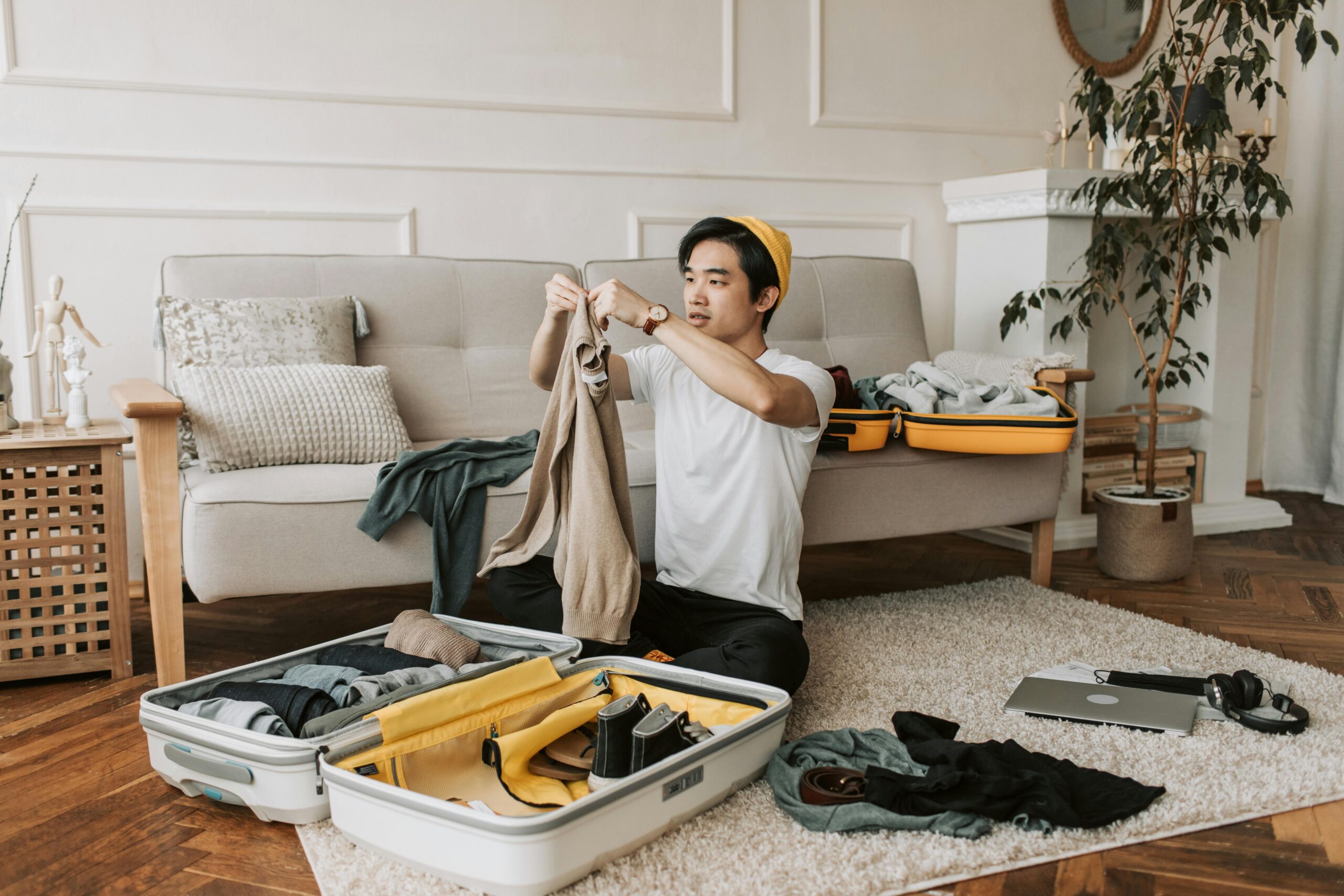
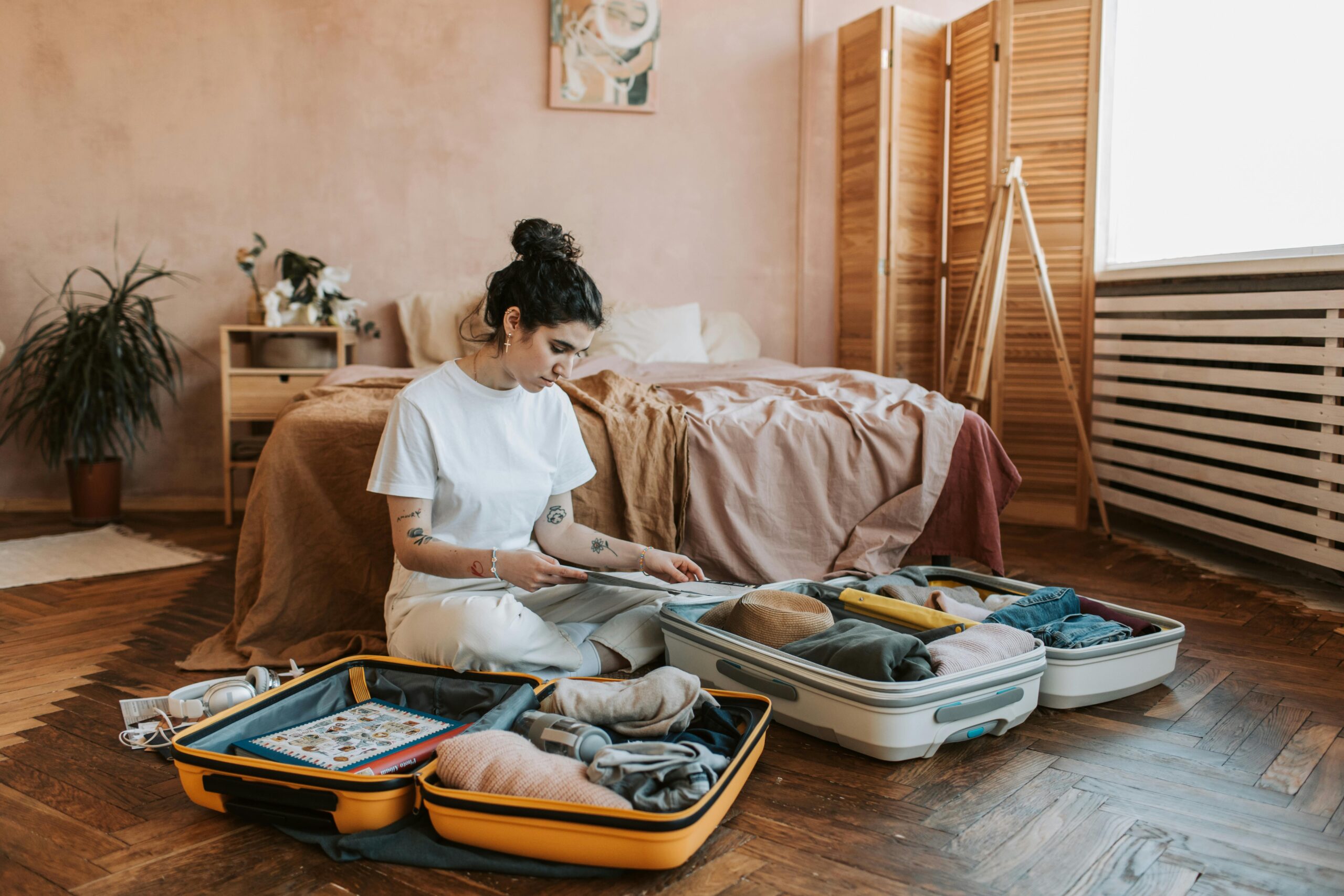
How you pack matters as much as what you pack. Rolling versus folding debates continue, but the truth is both techniques serve different purposes. Rolling works excellently for casual items like t-shirts and prevents certain wrinkles, while folding better preserves structure in dress shirts and pants.
Packing cubes revolutionized travel organization for countless light packers. These zippered fabric containers compress clothing while creating organizational systems within your luggage. Assign each cube a category—tops, bottoms, undergarments—enabling quick access without destroying your entire packing job.
Bundle wrapping represents another sophisticated technique where you wrap clothing around a central core object, creating fewer fold lines and maximizing space efficiency. This method particularly suits dress clothes requiring wrinkle prevention.
The Compression Bag Question
Compression bags promise dramatic space savings by removing air from packed clothing. While effective for bulky items like jackets, exercise caution with compression bags. Over-compression creates deep-set wrinkles and can damage delicate fabrics. Use selectively rather than as your primary packing method.
Laundry Planning: Extending Your Capsule’s Range
Planning for laundry enables dramatically lighter packing. Most destinations offer laundry services, many hotels provide same-day options, and sink washing extends clothing mileage significantly. Accepting that you’ll wash clothes during travel liberates you from overpacking.
Pack a small amount of concentrated travel detergent and a universal sink stopper. Quick-dry fabrics washed in the evening typically dry overnight, especially when hung strategically near air vents or in bathrooms. This simple habit means a five-day wardrobe easily covers two weeks.
Many travelers successfully operate with just three days’ worth of clothing for trips of any length, washing items every few days. This approach requires slightly more planning but yields remarkable packing efficiency.
Season-Specific Capsule Adjustments 🌦️
Your capsule wardrobe foundation remains consistent across seasons, but specific pieces require adjustment. Summer travel emphasizes lightweight, breathable fabrics with sun protection. Include a wide-brimmed hat and lightweight cover-up for sun exposure management.
Winter travel demands strategic layering pieces rather than single bulky items. Multiple thin layers provide better temperature regulation than one heavy coat while offering more styling versatility. Modern packable down jackets compress remarkably small while delivering substantial warmth.
Transitional seasons like spring and fall benefit most from the layering approach. Temperature fluctuations demand adaptability that layering systems handle effortlessly. Focus on pieces that work both independently and in combination.
The Digital Component: Apps That Support Light Packing
Technology assists modern travelers in planning and executing capsule wardrobes effectively. Several applications help visualize outfit combinations, create packing lists, and track clothing usage patterns across trips.
Digital packing list apps enable you to create template lists for different trip types—beach vacation, business travel, adventure expedition—then customize each for specific journeys. This systematic approach prevents forgotten essentials while curbing overpacking tendencies.
Weather forecast apps deserve special mention for capsule wardrobe planning. Checking detailed forecasts during your packing process enables precise clothing selection tailored to expected conditions rather than packing for every possibility.
Common Mistakes and How to Avoid Them ⚠️
Even experienced light packers encounter pitfalls. The most common mistake involves packing for unlikely scenarios—the formal dinner that might happen, the unexpected cold snap, the possible hiking opportunity. This “just in case” mentality sabotages capsule wardrobe principles.
Combat this tendency by honestly assessing your typical travel patterns. If you’ve never attended a formal event during previous trips, you probably won’t during this one either. Most situations offer workarounds—borrowing, renting, or purchasing items locally if truly necessary.
Another frequent error involves neglecting to test outfit combinations before traveling. Lay out your entire capsule wardrobe and physically create different outfits, photographing each combination. This exercise reveals coordination issues while providing reference photos for getting dressed during your trip.
The Emotional Challenge of Leaving Things Behind
Psychological barriers often prevent light packing more than practical considerations. We attach security to having options, viewing packed items as insurance against discomfort or embarrassment. Recognize these feelings as normal but challenge their validity through experience.
Start with shorter trips where stakes feel lower. Successfully navigating a long weekend with minimal luggage builds confidence for longer journeys. Each positive experience reinforces that you need less than you think while feeling more capable than you imagined.
Refining Your System Through Experience 🎯
Your first capsule wardrobe attempt won’t achieve perfection—embrace this reality. Consider each trip an experiment generating valuable data. Note which items you wore repeatedly versus those that remained untouched. Photograph yourself in favorite combinations for future reference.
Maintain a travel wardrobe journal documenting what worked, what didn’t, and insights for improvement. Over time, patterns emerge revealing your true needs versus imagined requirements. This empirical approach continuously refines your system toward maximum efficiency.
Many experienced light packers eventually develop a permanent travel capsule wardrobe—dedicated pieces reserved exclusively for trips. This approach eliminates packing decisions almost entirely while ensuring travel-optimized fabrics and fits remain ready.
Sustainable Travel Through Conscious Packing 🌍
Light packing aligns beautifully with sustainable travel values. Reduced luggage weight decreases transportation fuel consumption—a small individual impact that compounds across millions of travelers. Choosing quality pieces that last years rather than disposable fashion reduces environmental footprints.
The capsule wardrobe mindset naturally encourages more conscious consumption. When each piece must justify its inclusion, you become more discerning about purchases. This selectivity favors quality construction, timeless styling, and genuine versatility over trendy impulse buys.
Supporting local businesses for emergency purchases or forgotten items contributes positively to destination economies. Rather than viewing these occasions as failures, reframe them as opportunities for cultural exchange and community support.
Beyond Clothing: Applying Capsule Principles Everywhere
Once mastered, capsule wardrobe thinking extends beyond clothing to toiletries, electronics, and travel accessories. The same principles apply—choose versatile items, eliminate redundancies, favor multi-purpose solutions, and ruthlessly edit non-essentials.
Toiletries particularly benefit from this approach. Solid versions of shampoo, conditioner, and soap eliminate liquid restrictions while lasting surprisingly long. Multi-use products like tinted moisturizer with SPF replace separate items while delivering comparable results.
This holistic application of minimalist principles creates comprehensive light packing systems where everything works together efficiently. The result isn’t deprivation but liberation—freedom from excess enabling focus on experiences rather than belongings.
Embracing the Light Packing Lifestyle
Mastering the art of packing light through travel capsule wardrobes represents more than luggage efficiency—it’s a philosophy celebrating intentionality, versatility, and freedom. Each carefully selected piece serves you purposefully while coordinating seamlessly with companions.
The journey toward light packing mastery continues evolving as you gain experience, refine preferences, and discover new solutions. What begins as a practical travel strategy often transforms into a broader lifestyle approach, influencing daily wardrobe choices and consumption patterns.
Your perfectly curated travel capsule wardrobe awaits creation. Start small, experiment boldly, learn continuously, and soon you’ll wonder why you ever traveled any other way. The freedom, simplicity, and surprising style that emerges from constraint will revolutionize every journey ahead.